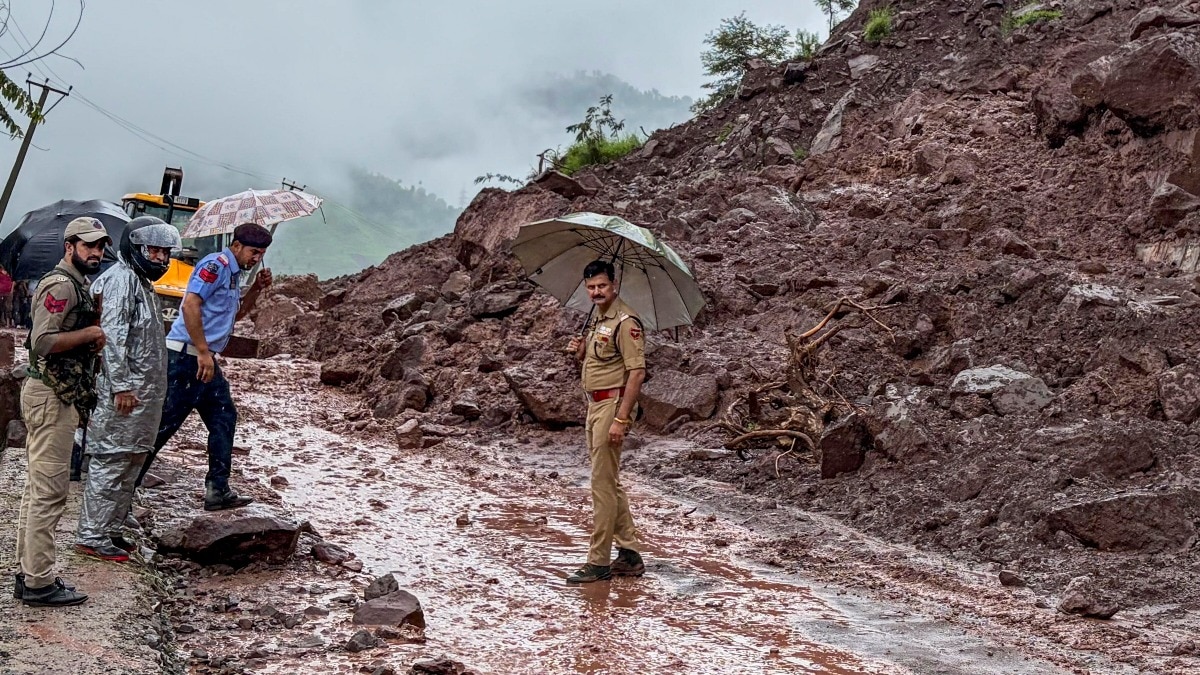
Heavy rain triggered mudslides in China’s Jiuzhaigou World Heritage site, stranding tourists who were later evacuated by rescue teams.
Key Takeaways
- Heavy rain caused massive mudslides, closing several trails in Jiuzhaigou.
- Approximately 200 tourists were safely evacuated by emergency crews.
- Reopening may take months due to the area’s ecological sensitivity.
Timeline of the Mudslide Incident
Jiuzhaigou, a UNESCO World Heritage site in Sichuan Province, experienced intense rainfall over the past 24 hours, leading to large‑scale mudslides across its steep valleys. The slides blocked key walking trails and waterfalls, leaving more than 150 tourists and local guides stranded. Rescue teams, including helicopters and tanker trucks, coordinated a systematic evacuation, bringing everyone to safety.
Rescue Operations in Detail
According to official reports, over 25 rescue personnel, two helicopters and two tanker trucks were deployed. Victims were escorted from higher ground to designated safe zones before being transported out of the park. Most tourists escaped unharmed, though a few sustained minor injuries and received on‑site medical care before being transferred to the nearest hospital.
Historical Background
Jiuzhaigou was inscribed as a World Heritage site in 1992, celebrated for its multicolored lakes, dense forest, and rare wildlife. Over the past decades, the park has grappled with environmental pressures such as climate change and overtourism, yet it remains one of China’s most beloved ecological destinations.
Why This Matters
BozokMedia analysis shows that disasters like this not only test tourist safety protocols but also threaten fragile ecosystems. The incident underscores the urgent need for sustainable tourism policies and climate‑adaptation measures to protect heritage sites.
"Sites like Jiuzhaigou require an integrated disaster‑management framework to balance preservation with visitor safety," said an environmental expert.
Frequently Asked Questions
Q1: When will Jiuzhaigou reopen to the public?
A: Experts estimate a full reopening could take six months to a year, pending thorough environmental impact assessments.
Q2: Will new safety measures be introduced to prevent similar incidents?
A: Local authorities plan to upgrade early‑warning systems and enforce stricter trail inspections during the rainy season.