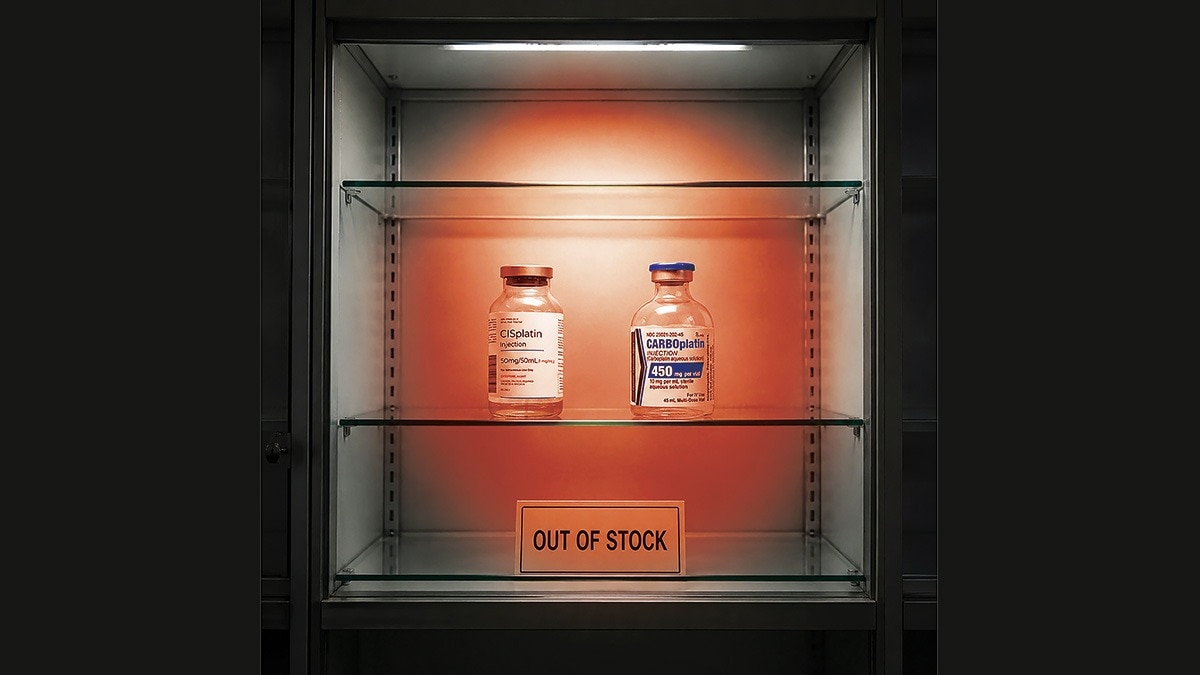
India faces a severe shortage of essential cancer medicines, leaving patients to navigate treatment gaps. Government, NGOs, and patients themselves are adopting creative strategies to secure life‑saving drugs.
Key Takeaways
- Major drugs like Imatinib, Trastuzumab, and Rituximab are in short supply.
- Patients turn to imports, crowdfunding, and alternative therapies.
- The government is rolling out new permits and easing price caps to stabilize supply.
Current State of the Shortage
Over the past two years, India has seen a steep decline in the availability of life‑saving oncology drugs such as Imatinib, Trastuzumab, and Rituximab. Production bottlenecks, soaring raw‑material costs, and stringent price‑control measures have forced manufacturers to limit output, leaving hospital inventories depleted and patients facing delayed or substitute treatments.
Patient and NGO Responses
Facing the crisis, many patients have initiated personal import channels, while NGOs have launched crowdfunding drives to finance expensive medications. Some are traveling abroad for treatment, and others are opting for lower‑cost generic equivalents or targeted therapies that are still accessible.
Government Measures and Policy Shifts
The Indian government has responded by issuing special import licences, temporarily relaxing price caps, and unveiling incentive packages to boost local manufacturing. These steps aim to secure short‑term relief and lay the groundwork for a more resilient supply chain.
Historical Background
India’s fight against cancer has advanced considerably over the past two decades, yet the 2013 price‑freeze policy previously triggered similar drug shortages. Back then, import‑based solutions and public fundraising helped mitigate the impact. Experts now argue that diversifying the supply chain is essential to prevent recurrence.
Why This Matters
BozokMedia analysis shows that prolonged drug shortages can increase cancer mortality by up to 15%, eroding years of progress in public health and placing additional strain on India's already overburdened healthcare system.
“If drug availability does not improve, we will see a significant decline in cancer patients' survival rates,” warns oncologist Dr. Rajat Singh.
Frequently Asked Questions
Which cancer drugs are most affected? Imatinib (leukemia), Trastuzumab (breast cancer), and Rituximab (colorectal cancer) are the most critically impacted.
How can patients access alternative treatments? Many are obtaining drugs through approved import channels, special government licences, or reputable NGOs that facilitate access to generic equivalents.