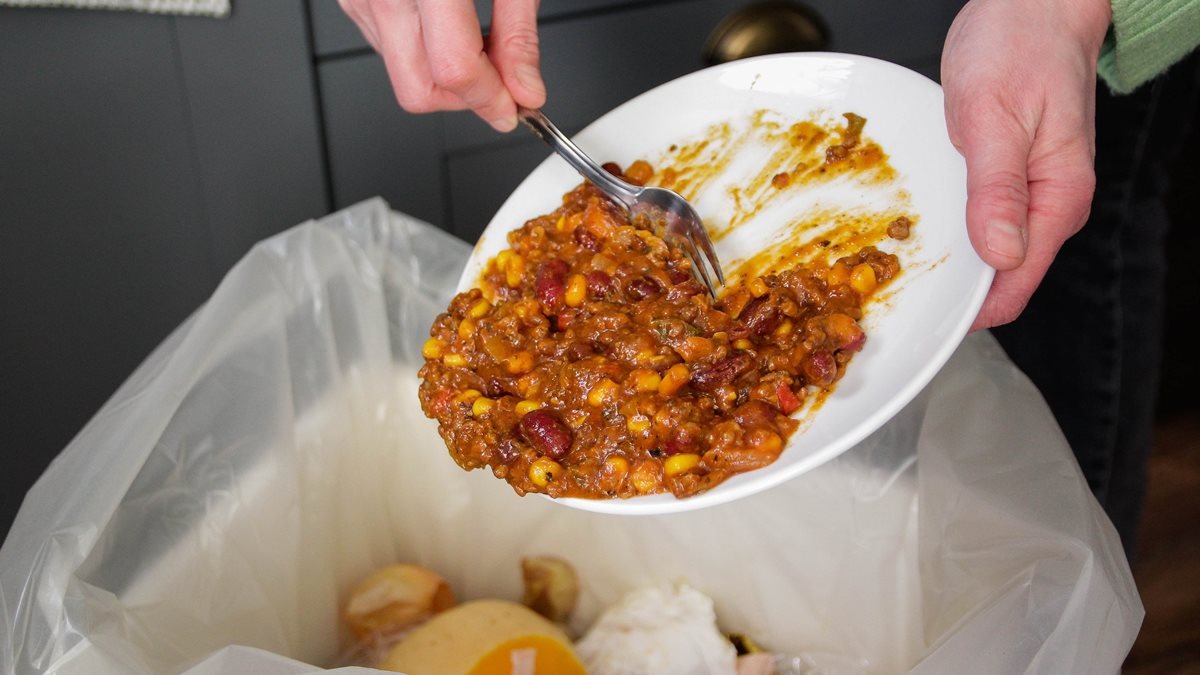
From discarding to donation and composting, hotels follow a multi‑step process to handle buffet leftovers. Strict safety rules, charitable programs, and eco‑friendly technologies shape the outcome.
Key Takeaways
- Leftovers are split into three categories: unserved, displayed, and plate leftovers
- Most displayed items are discarded due to safety concerns
- Some ingredients are repurposed for donation or compost
Hotel buffets are famed for lavish spreads and live stations, but what happens to the food that remains once service ends? Most hotels adhere to stringent food‑safety protocols, sorting leftovers based on exposure and handling.
Historical Background
Over the past two decades, India has seen a surge in food‑waste awareness. In 2015, the National Food Safety Board issued guidelines encouraging buffet operators to donate safe surplus, prompting many hotels to partner with NGOs.
Why This Matters
BozokMedia analysis shows that hotels adopting smart planning and donation schemes reduce waste by up to 30%, enhancing brand reputation while meeting sustainability goals.
"Food safety is non‑negotiable, yet with proper protocols, surplus can be safely repurposed," says Chef Anna Roy, food‑sustainability expert.
Frequently Asked Questions
Q1: Can food left on a guest’s plate be donated?
A: No, plate leftovers are always discarded due to contamination risk.
Q2: How are untouched vegetables from a buffet reused?
A: If they have not been exposed to guests, they can be transformed into soups, stocks, or jams.