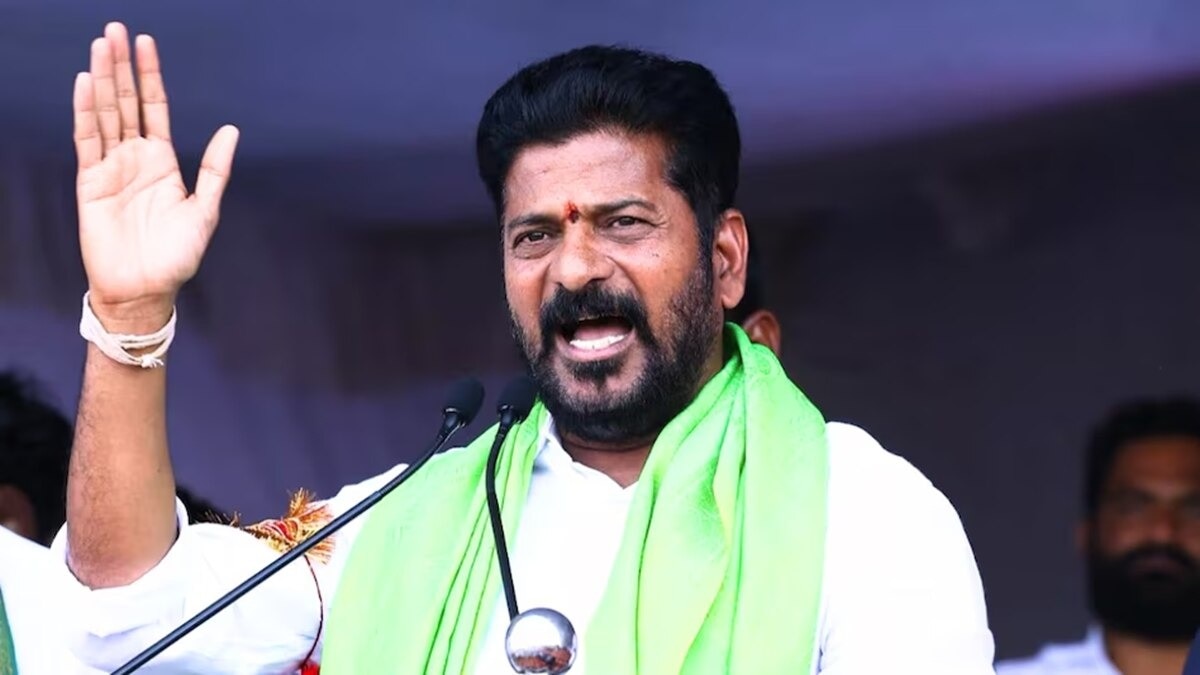
Telangana Chief Minister Revanth Reddy's remark that engineering graduates are a "criminal waste" has sparked political backlash and a debate over the state’s technical education quality.
Key Takeaways
- Reddy claims many engineering grads lack practical skills and remain unemployable.
- Opposition parties denounce the comment as an insult to students and teachers.
- The CM urges a revamp of curricula to focus on skill development and foreign‑language training.
During a dialogue with teachers in Hyderabad, Chief Minister Revanth Reddy warned that roughly 110,000 engineering graduates emerge from Telangana each year, yet many are unwilling to take up even modest jobs. He labeled this phenomenon as "criminal waste" – a severe loss of talent and resources.
Reddy emphasized that many parents are unaware of their children’s skill gap despite holding prestigious degrees. "Ask the village engineers to write a simple job application on a plain sheet; many won’t be able to," he said, prompting immediate condemnation from BRS and BJP leaders.
Opposition figures challenged the CM, asking whether he has ever cleared a competitive exam or worked in the corporate sector to judge students’ capabilities. BRS executive chairman K.T. Rama Rao and senior BJP leader T. Harish Rao termed the statement an "insult to students and educators" and demanded an apology.
Why This Matters
BozokMedia analysis shows that such statements can influence policy direction, affect enrollment trends in engineering colleges, and shape public perception about technical education in India.
"Policy must prioritize hands‑on training; otherwise graduates become a surplus without purpose," says Dr. Maya Patel, education analyst.
Frequently Asked Questions
Q1: Is there a quality gap between government and private engineering colleges in Telangana?
A: Yes, disparities in infrastructure, faculty qualifications, and industry tie‑ups create varied graduate competencies.
Q2: Will the CM's remarks lead to new educational reforms?
A: The state has proposed a two‑year foundational curriculum followed by two years of skill and foreign‑language training.