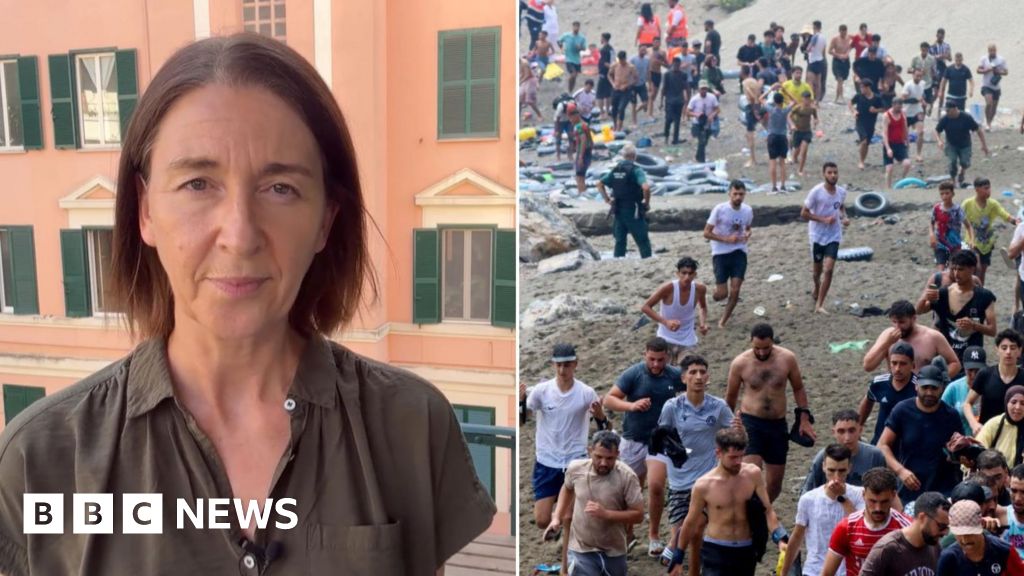
In the past 24 hours, the Spanish enclave of Ceuta saw an unprecedented influx of roughly 60,000 Moroccan migrants, with dozens losing their lives. Over 48,000 voluntarily returned to Morocco, highlighting both the scale of the crisis and the complexities of migration policy.
Key Takeaways
- Approximately 60,000 Moroccan migrants entered Ceuta
- Dozens died during the crossing
- More than 48,000 migrants voluntarily returned to Morocco
What Sparked the Surge?
Ceuta, a Spanish North‑African enclave home to about 83,000 residents, experienced an unprecedented wave of arrivals in just one day. Analysts point to recent economic restrictions in Morocco, shifting EU border policies, and a more aggressive human‑smuggling network as the primary drivers behind the sudden spike.
Numbers at a Glance
BBC reports estimate that around 60,000 people crossed into the enclave, while dozens perished in the attempt. Spanish officials confirmed on Friday evening that over 48,000 migrants chose to return to Morocco voluntarily, a move praised by humanitarian groups but also underscoring the lack of safe migration pathways.
Historical Background
Ceuta has long served as a gateway for African migrants aiming for Europe. Similar surges occurred in the 1990s, yet the 2024 influx surpasses previous waves in both volume and speed. The enclave’s land border stretches merely two kilometres, making it one of the most accessible entry points from the African coast.
Why This Matters
BozokMedia analysis shows that such abrupt migrant flows strain European security, humanitarian response capacities, and bilateral relations. Without coordinated policy action, the episode could foreshadow larger crises, forcing the EU to rethink border management and asylum frameworks.
"Addressing the migrant crisis requires tackling root causes—economic disparity and political instability—rather than relying solely on border controls," says a UNHCR migration specialist.
Frequently Asked Questions
Q1: Why do migrants choose Ceuta?
A: Its tiny sea border, Spanish jurisdiction, and perceived easier route to Europe make it an attractive target.
Q2: What has the Spanish government done in response?
A: Spain deployed emergency rescue teams, tightened border controls, and accelerated repatriation agreements with Morocco.