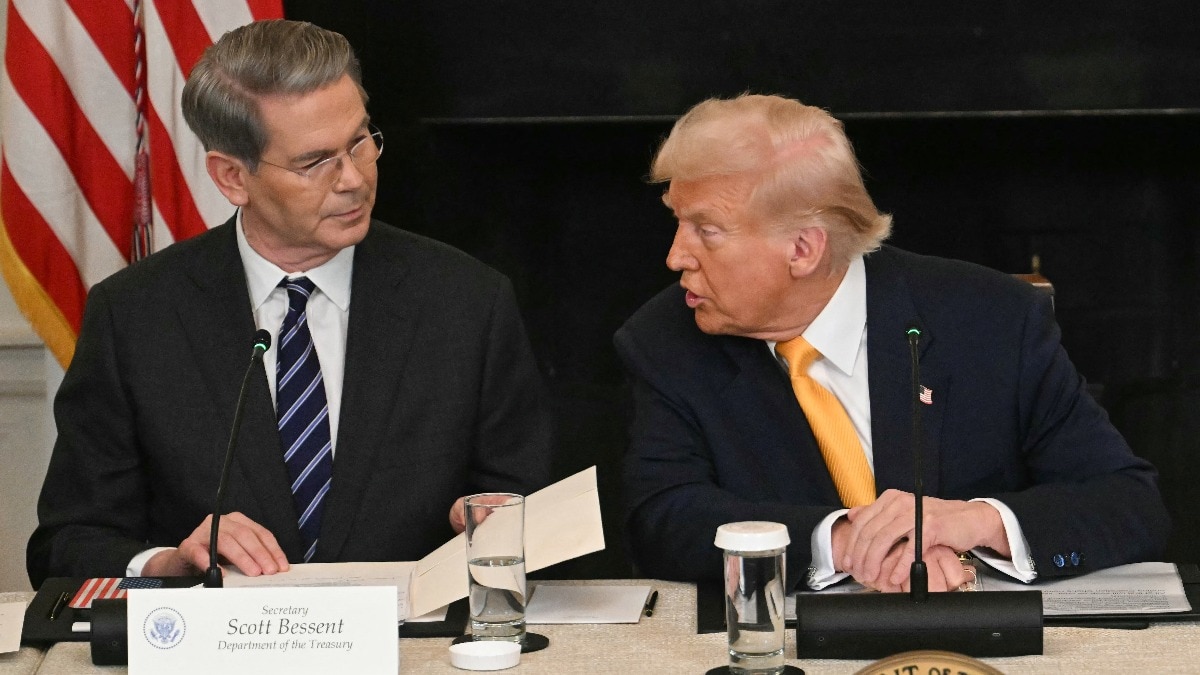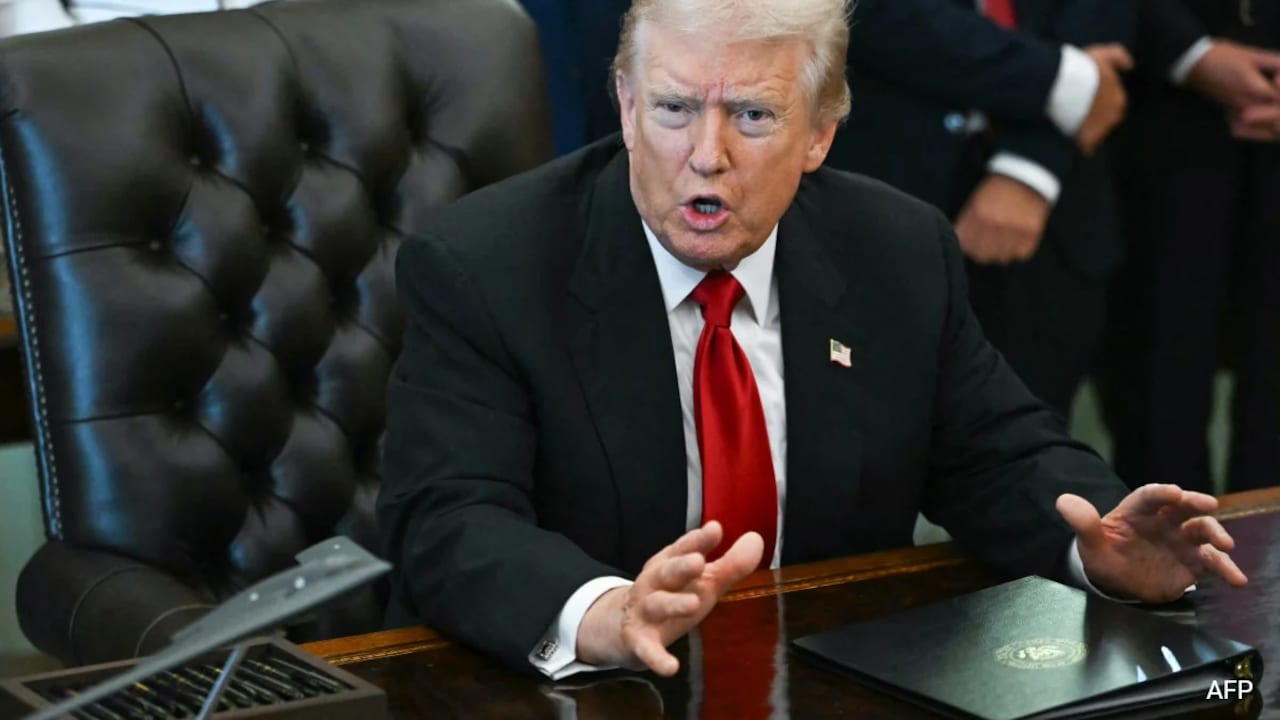
Capital One shut down several of former President Donald Trump’s accounts in 2021 after flagging transactions that resembled money‑laundering. The action prompted Trump to sue both Capital One and JPMorgan Chase for alleged “de‑banking.”
Key Takeaways
- Capital One closed Trump’s accounts in 2021
- Bank flagged activity that looked like money‑laundering
- Trump filed lawsuits against both banks
Background
In 2021, Capital One terminated several of former President Donald Trump’s bank accounts after internal monitoring identified patterns consistent with money‑laundering. The bank disclosed this in a recent court filing.
Legal Action
Trump responded by filing lawsuits against Capital One and JPMorgan Chase, alleging that the banks “de‑banked” him without proper justification, thereby harming his financial operations.
Historical Background
High‑profile individuals have faced account closures in the past when banks detect suspicious activity. Such actions are typically driven by regulatory compliance and the need to prevent illicit financial flows.
Why This Matters
BozokMedia analysis shows that the closure of accounts belonging to a former U.S. president underscores the growing scrutiny banks apply to politically exposed persons, potentially reshaping the relationship between politics and finance.
"Regulatory pressure on banks is intensifying, and moves like this will force greater transparency across the industry," said financial‑law expert Dr. Emily Ross.
Frequently Asked Questions
Question 1: Were all of Trump’s accounts closed?
Answer: No, only a subset were terminated due to money‑laundering suspicions.
Question 2: What might the courts decide?
Answer: No final ruling has been issued yet; the litigation is ongoing.