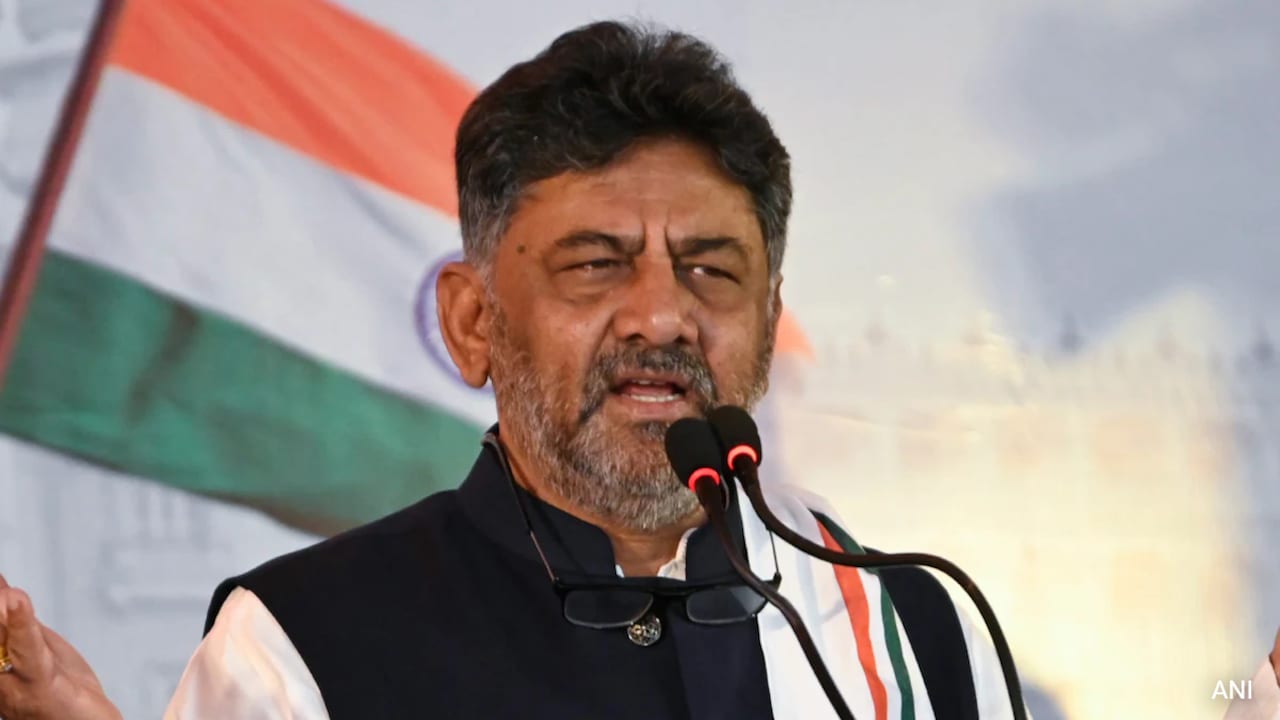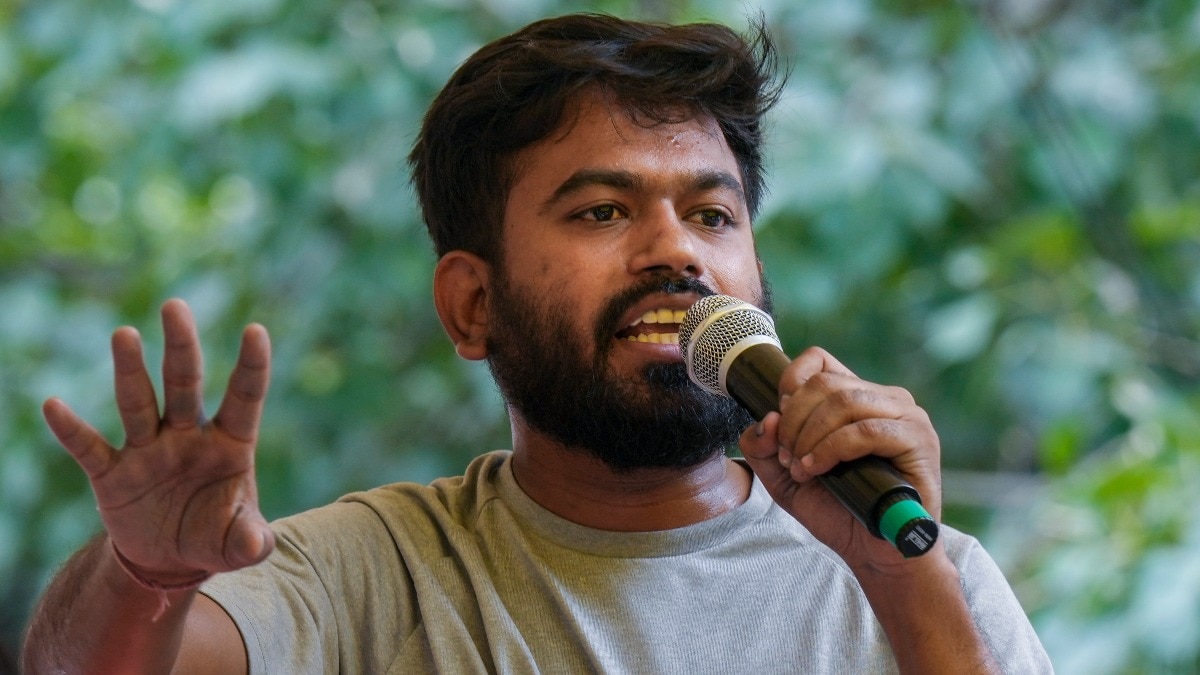
CJP founder Abhijeet Dipke dismissed parallels between Delhi's student protest and the unrest in Bangladesh and Nepal, urging Indian students to adopt Mahatma Gandhi's non‑violent approach. He also pressed the government for swift compensation to NEET suicide victims and higher education spending.
Key Takeaways
- Adopt Gandhi's non‑violent strategy
- Make education a national priority
- Demand immediate compensation for NEET victims
Abhijeet Dipke told PTI that the Delhi student demonstration is fundamentally different from the upheavals in Bangladesh and Nepal and that Indian youth should look to Mahatma Gandhi for inspiration. “We don’t need to look at Bangladesh or Nepal; we have Mahatma Gandhi who the world follows for protest,” he asserted.
Historical Background
Student activism in India dates back to the anti‑Emergency protests of the 1970s and the recent debates over the New Education Policy. Mahatma Gandhi’s 1930s non‑violent campaigns against British rule set a precedent for peaceful dissent that still guides Indian movements today.
Why This Matters
BozokMedia analysis shows that linking domestic protests to foreign unrest can dilute legitimate grievances and shift public focus away from policy reforms, especially in the sensitive education sector.
"Sustainable change cannot be achieved without non‑violence; that is Gandhi’s core message," says political analyst Prof. Ravindra Singh.
| Country | Main Trigger | Nature of Protest |
|---|---|---|
| India | NEET & recruitment reforms | Peaceful, constitutional |
| Bangladesh | Government corruption | Aggressive, mass mobilization |
| Nepal | Constitutional amendment | Large‑scale strikes |
Frequently Asked Questions
- Q: What are CJP’s core demands?
A: Immediate compensation for NEET suicide families, increased education budget, and transparent recruitment processes. - Q: Is the movement aligned with any political party?
A: Dipke stresses the fight is against the system, not any particular party.