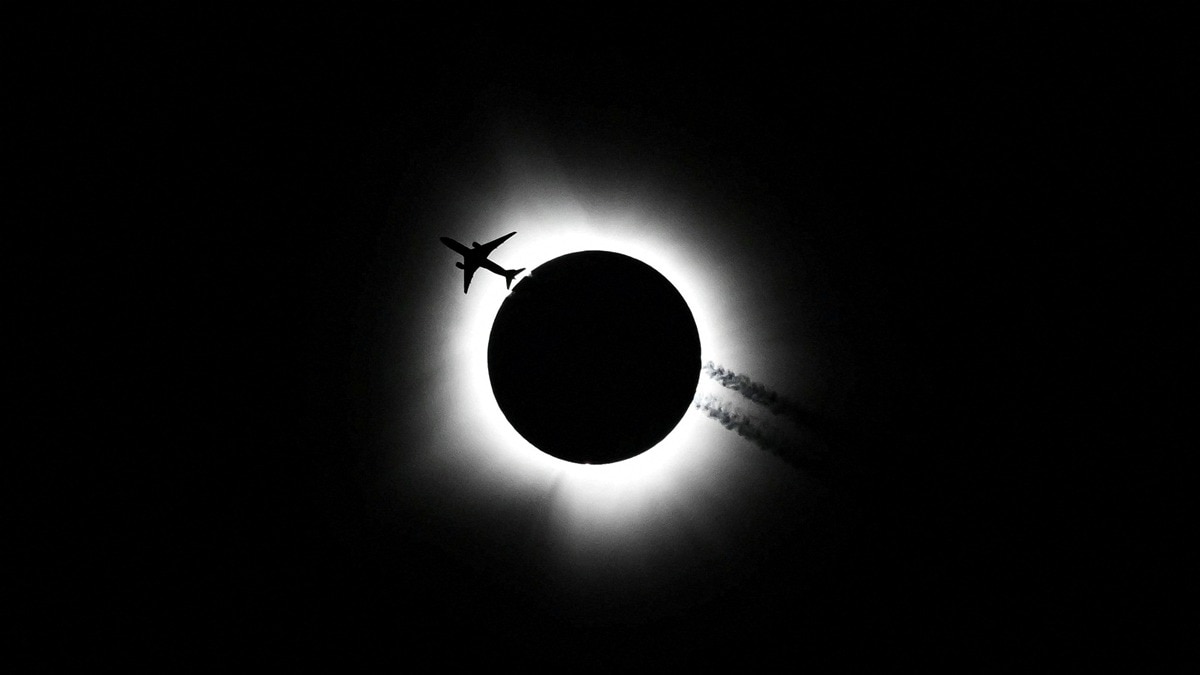
On August 12, 2024, Europe will witness its first total solar eclipse in 25 years, plunging daylight into complete darkness. The path of totality will cross major cities, creating a spectacular sky event.
Key Takeaways
- August 12, 2024 marks a total solar eclipse over Europe
- Totality will last approximately 2 minutes 40 seconds
- Major cities like Paris, Berlin and Rome will experience the darkness
On August 12, 2024, a rare astronomical phenomenon will cast a shadow across Europe during the brightest part of the day. This is the first total solar eclipse visible over the continent since 1999, ending a 25‑year hiatus.
The eclipse’s total phase will last roughly 2 minutes 40 seconds, during which the Sun will be completely obscured, turning the sky into night and causing a sudden temperature drop. Historical data shows wildlife reacts instantly, often becoming confused and altering their normal behavior.
The antumbra will sweep across a swath that includes Paris, Berlin, Rome, Vienna and numerous smaller towns. Local authorities are issuing safety guidelines, recommending certified solar filters for viewing and encouraging public events to celebrate the occasion.
In historical context, the 1999 European eclipse inspired the famous 1919 Eddington experiment that confirmed Einstein’s theory of general relativity. Scientists anticipate that the 2024 event could enable new measurements of solar corona dynamics and space‑weather forecasting.
Why This Matters
BozokMedia analysis shows that the 2024 eclipse will boost tourism, spark scientific collaborations across European observatories, and raise public interest in space science, potentially influencing policy funding for astronomy.
"This eclipse offers a unique natural laboratory for solar physicists, providing data that cannot be replicated by any ground‑based instrument," says Dr. Anil Sharma, astrophysicist.
Frequently Asked Questions
Is it safe to watch the eclipse with the naked eye? No. Observers must use ISO‑certified solar viewing glasses or proper filters; direct viewing can cause permanent eye damage.
Will any scientific missions be launched specifically for this eclipse? Multiple European space agencies and universities are planning coordinated observations, including spectroscopic studies of the solar corona.