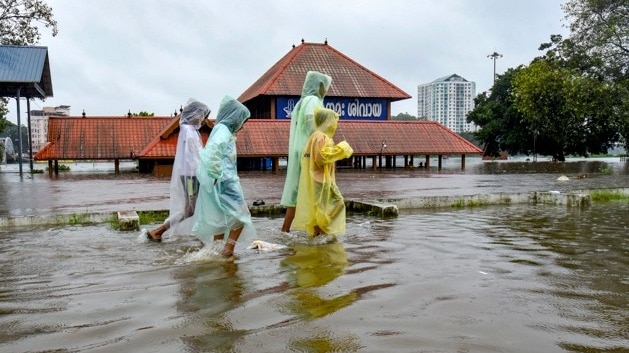
Heavy monsoon rains in Kerala have claimed 15 lives, left seven people missing, and forced more than 11,000 residents into relief camps. State authorities have intensified rescue and relief operations across the affected districts.
Key Takeaways
- Death toll climbs to 15
- Seven persons still missing
- 11,018 people sheltering in 316 relief camps statewide
Kerala Chief Minister V.D. Satheesan announced that, apart from a few pockets in Pathanamthitta, the situation is largely under control. The sudden flash‑flood event triggered by overnight downpours left many villages underwater within minutes.
Rescue forces—including the National Disaster Response Force (NDRF), police, and Indo‑Tibetan Border Police—were mobilised. Fourteen fishing boats from Kollam were redirected to Chengannur, and two helicopters from Sulur, Tamil Nadu, landed in Thiruvananthapuram to assist aerial evacuations.
The state has pledged financial assistance: families of the deceased will receive ₹8 lakh, while those displaced receive an immediate ₹10,000. Compensation for completely destroyed homes has been raised to ₹12 lakh.
Historical Background
Kerala experienced one of its deadliest floods in 2018, with 483 fatalities and widespread devastation. Since then, the state has overhauled its disaster‑management infrastructure, introducing real‑time warning systems and community‑level response teams, yet extreme rainfall events continue to test these measures.
Why This Matters
BozokMedia analysis shows a direct link between escalating monsoon intensity and climate change, suggesting that such extreme events will become more frequent. Effective disaster response not only saves lives but also curtails economic loss.
"During heavy rain spells, authorities must deploy aerial surveys and precise river‑level monitoring to pre‑empt flash floods," says Dr. Anjali Mehta, disaster‑management expert.
Frequently Asked Questions
Q1: Which districts are most affected?
A: Pathanamthitta bears the brunt, followed by severe impacts in Kollam, Kottayam, and Malappuram.
Q2: How can the public help?
A: Donate food, clothing, and funds to official relief camps, and avoid spreading unverified rumors on social media.