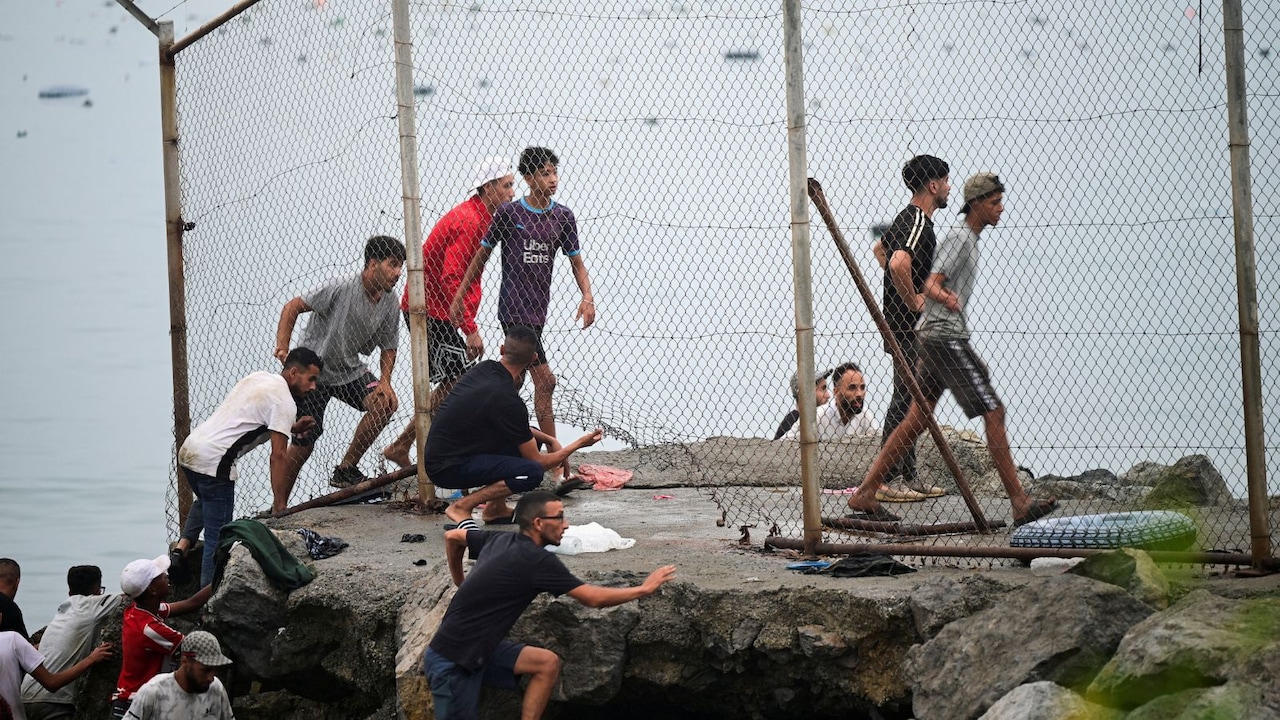
Spain reports that roughly 69,500 migrants have been returned to Morocco over the past four days, while hundreds continue to camp on Ceuta’s beach. Initial estimates of Thursday’s arrivals were around 50,000, now proven far lower.
Key Takeaways
- About 69,500 migrants returned to Morocco in four days
- Hundreds remain camped on Ceuta’s beach
- Spain faces an escalating humanitarian challenge
Spain estimates that roughly 69,500 migrants have been sent back to Morocco over the past four days, surpassing the earlier figure of about 50,000 arrivals in Ceuta on Thursday. The numbers highlight the intensity of the border rush and the lingering presence of people on the shoreline.
Ceuta, a Spanish enclave on the North African coast, has long served as a gateway for migrants seeking entry into the European Union. After a sudden surge at the Moroccan border, Spanish authorities organized large‑scale returns, yet dozens of individuals continue to set up makeshift camps on the beach.
Historical Background
Ceuta’s unique geopolitical status dates back to the 19th century, when it became a Spanish overseas possession. Since the 1990s, the EU has identified the enclave as a critical frontier point, witnessing periodic waves of migration that strain local resources.
Why This Matters
BozokMedia analysis shows that the continued presence of migrants in Ceuta strains Spain’s diplomatic relations with Morocco and raises urgent humanitarian concerns for the EU’s southern border policy.
"The persistent crowding in Ceuta signals a warning for European border security," says human‑rights analyst Maria Gonzalez.
Frequently Asked Questions
Question 1: Why do migrants head for Ceuta?
Answer: Ceuta is officially part of the EU, offering a potential gateway into the Schengen Area for those fleeing hardship.
Question 2: How is Spain managing the humanitarian fallout?
Answer: Spain has accelerated return operations with Morocco and is coordinating with international NGOs to provide temporary shelters and aid.