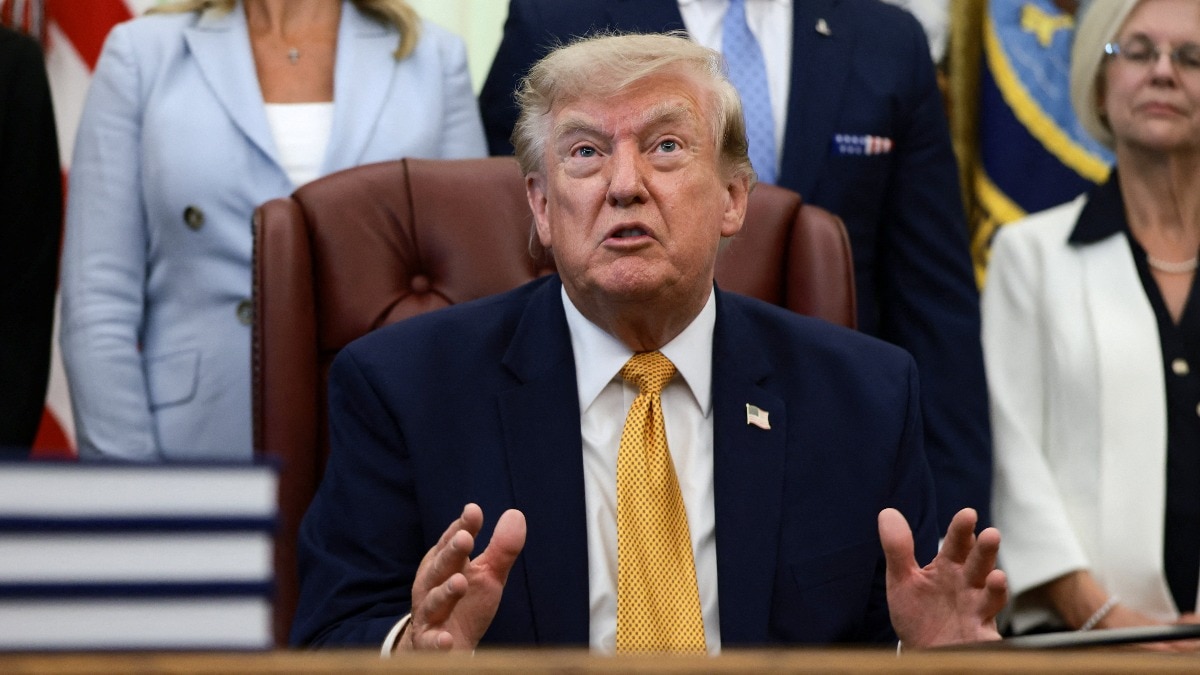
U.S. President Donald Trump announced that only the United States will levy transit fees on ships passing the Strait of Hormuz, rejecting Iran’s claim. The statement comes amid heightened U.S.–Iran tensions.
Key Takeaways
- Trump confirms U.S. will charge Hormuz transit fees
- Iran denies any ongoing negotiations
- Brent crude prices fell about 5%
Donald Trump said the talks represent Tehran’s “last chance,” yet Iran insists that only discussions with Oman over Hormuz management are occurring.
The president emphasized that U.S. naval presence gives America “total control,” and any Iranian attempt to impose fees would be blocked.
Iranian officials added that Foreign Minister Abbas Araqchi is on a religious pilgrimage in Iraq and will not be available for talks until the end of the week.
The UK Maritime Trade Operations (UKMTO) reported an explosion near a commercial vessel in the strait overnight, adding to regional volatility.
Why This Matters
BozokMedia analysis shows that free navigation through the Strait of Hormuz is vital for global oil supply and Middle‑East economic stability. The U.S. declaration could reshape economic sanctions and regional power balances.
"Control of Hormuz is the linchpin of global energy security," said international relations scholar Dr. Emily Carter.
Frequently Asked Questions
Q1: Is Iran still trying to charge fees for Hormuz transit?
A: Iran publicly denies any fee plans, but it continues to seek leverage over the waterway through diplomatic and other means.
Q2: How did the announcement affect global oil prices?
A: Brent crude prices dropped about 5% as markets reassessed the risk of further conflict.