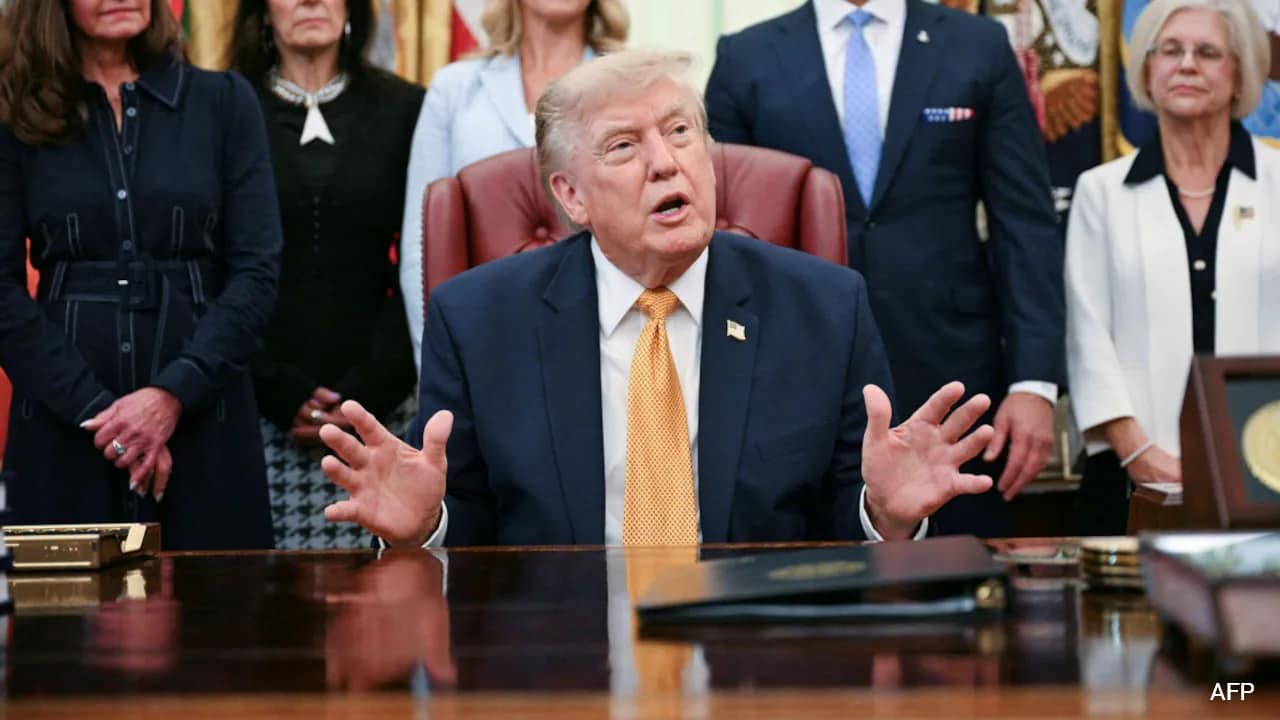
Former US President Donald Trump accused major oil firms of raking in excessive profits as the Iran war drives up prices, positioning the critique as a political lever ahead of the midterm elections.
Key Takeaways
- Trump claims big oil is earning "too much money"
- High prices are linked to the ongoing Iran conflict
- The remark is timed to influence upcoming midterm voters
Trump’s Controversial Claim
Former President Donald Trump told a crowd on Monday that major oil companies are "making too much money" because the Iran war has pushed oil prices to record highs. He framed the issue as a "political vulnerability" that he hopes to exploit before the midterm elections.
Iran‑Oil Tensions Explained
Since 2020, confrontations between the United States and Iran have repeatedly disrupted oil shipments, sending global crude prices soaring. Naval skirmishes and sanctions have created a volatile market that benefits producers with higher profit margins.
Historical Background
U.S. presidents have a long history of targeting oil firms during periods of high prices. In the 1970s, President Jimmy Carter’s criticism of oil profiteering led to significant policy shifts, while more recent leaders have used energy rhetoric to rally voter sentiment.
Why This Matters
BozokMedia analysis shows that Trump’s statement could amplify market uncertainty and fuel consumer anxiety about inflation, turning energy economics into a decisive factor in the upcoming elections.
"Political commentary on energy prices often distorts market expectations, prompting investors to adjust their strategies," notes energy analyst Dr. Alex Rivera.
Frequently Asked Questions
Question 1: Could Trump’s remarks actually cause oil prices to drop?
Answer: If investors believe political pressure will stabilize prices, a short‑term dip could occur, but long‑term trends depend on supply dynamics.
Question 2: How pivotal will energy policy be in the midterm elections?
Answer: Energy costs are a perennial voter concern; rising prices can swing swing‑state electorates toward candidates promising relief.