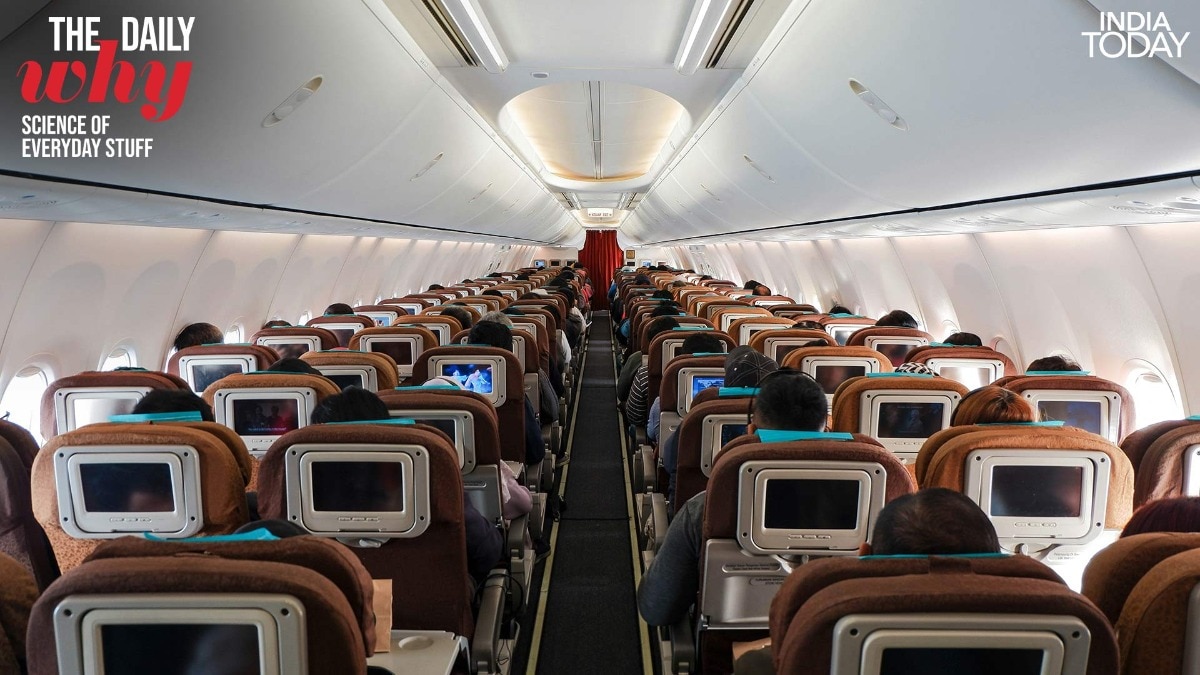
Aircraft seats must be upright for takeoff and landing due to core flight safety science. The rule protects passengers, manages gravity forces, and ensures rapid emergency evacuation.
Key Takeaways
- Upright seats enable proper brace positions
- Gravity forces are better managed during ascent and descent
- Regulatory non‑compliance can lead to fines and flight delays
During an aircraft’s takeoff and landing phases, passengers are instructed to set their seats to a fully upright position. This directive stems from rigorous safety science rather than passenger comfort alone.
When the plane accelerates off the runway, rapid changes in gravitational forces occur. An upright seat aligns the body to absorb the impact and allows passengers to brace effectively.
Regulations such as those from the International Civil Aviation Organization (ICAO) mandate that seats be at least 90 degrees upright. This ensures that emergency exits can be accessed quickly and that life‑vests deploy correctly.
Historically, a series of incidents in the early 1990s linked reclined seats to higher injury rates during sudden decelerations, prompting a global tightening of seat‑upright rules.
Why This Matters
BozokMedia analysis shows that seat orientation directly influences survivability in critical moments, especially during rapid climbs and descents.
"Upright seats are not just about comfort—they are a vital line of defense in emergency scenarios," says Dr. Maya Patel, aviation safety expert.
Frequently Asked Questions
Q: Can I recline my seat during takeoff?
A: No. All airline policies require seats to be fully upright until the aircraft reaches cruising altitude.
Q: What happens if a passenger refuses to upright their seat?
A: Flight crew will issue a warning; persistent non‑compliance can result in fines or denied boarding.