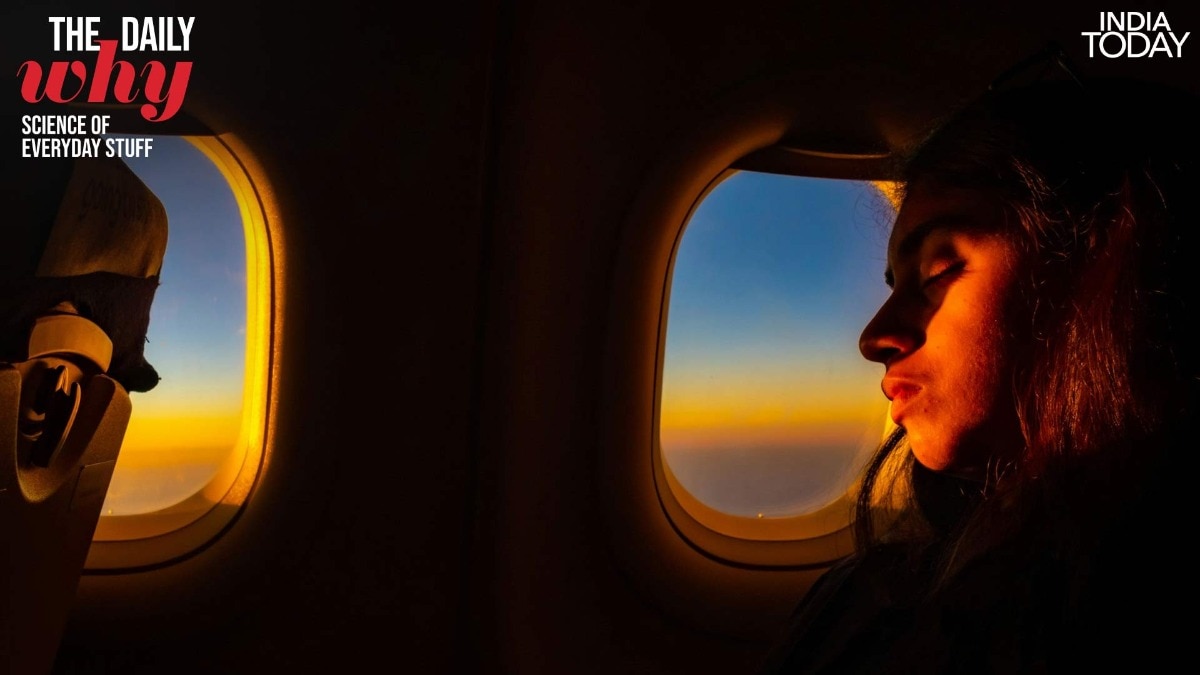
Opening window shades during takeoff and landing is a critical safety protocol. It enhances passenger awareness and provides crews with vital visual cues in emergencies.
Key Takeaways
- Open shades improve emergency visibility for crew.
- Passengers stay alert to external conditions.
- Regulations mandate this practice worldwide.
During the most vulnerable phases of a flight—takeoff and landing—airlines require passengers to keep window shades open. This is not a mere formality; it is a well‑established safety standard endorsed by aviation authorities.
When shades are up, cabin crews can quickly assess external conditions, enabling faster decision‑making in case of an emergency. Passengers also benefit from natural light, which reduces panic and improves situational awareness.
Historical Background: After several high‑profile accidents in the early 1990s, international regulators mandated open shades for commercial flights. Since then, the policy has become a staple of safety briefings worldwide.
Why This Matters
BozokMedia analysis shows that closed shades significantly delay crew’s visual assessment during critical moments, potentially compromising rescue operations. A simple act of keeping shades open can markedly lower risk.
"Open window shades dramatically boost emergency response times," says aviation safety expert Dr. Anna Collins.
Frequently Asked Questions
Q1: Is this rule applied to all flights?
A: Yes, it is standard for virtually all commercial and many private flights, with few exceptions.
Q2: What happens if a passenger refuses to open the shade?
A: Crew members will politely remind the passenger, and non‑compliance may lead to safety protocol enforcement.