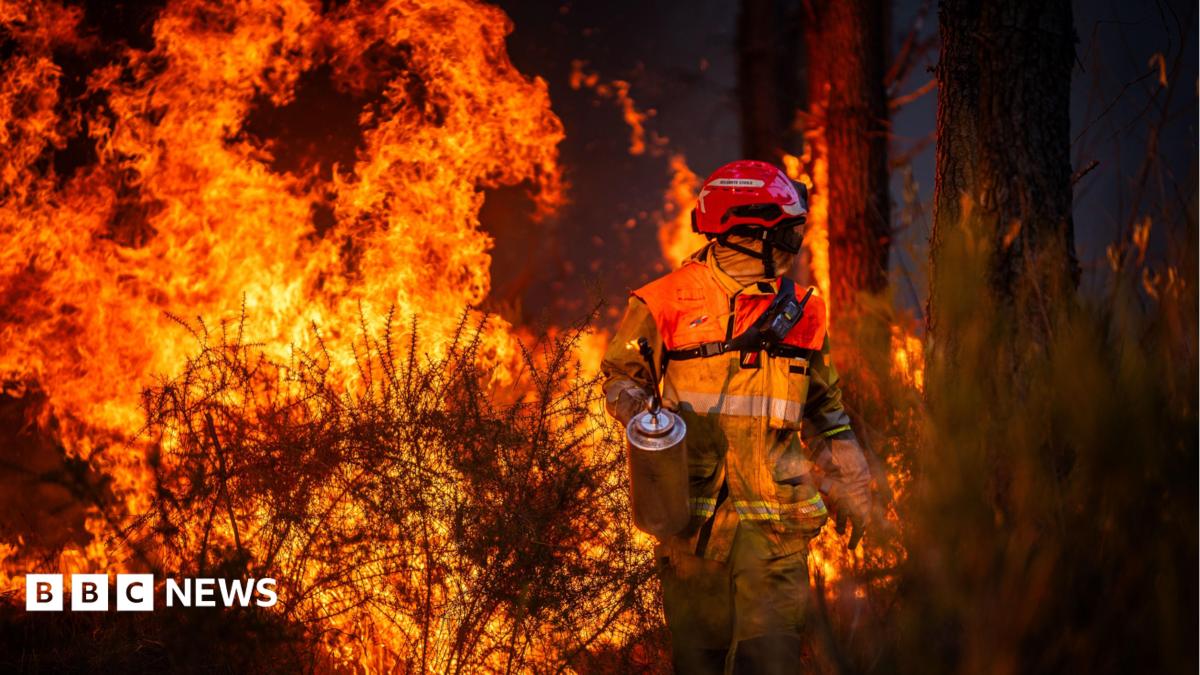
More than 300,000 acres burned this summer in France, prompting the arrest of 420 individuals, including 166 minors. While the government blames climate change, many question the fairness and adequacy of the prosecutions.
Key Takeaways
- 420 people arrested, including 166 minors.
- Government cites climate change while seeking accountability.
- Several arrests are viewed as overly harsh or unjust.
Historical Background
In late July, emergency crews were deployed to the Gironde region as wildfires ripped through France, marking the most destructive fire season since World War II. Rising temperatures and prolonged drought created ideal conditions for rapid fire spread.
The Interior Ministry announced 420 arrests, with a 23‑year‑old accused of deliberately igniting ten fires in five days in Var, facing up to 15 years in prison and a €150,000 fine. Another suspect received a three‑year sentence for three fires in the Vosges forest.
Critics argue many cases are excessive: a homeless man and a person with severe autism were jailed for discarding cigarette butts. Lawyer Muriel Gestas noted, “The number of arrests feels excessive.”
| Group | Arrests |
|---|---|
| Adults | 254 |
| Minors | 166 |
Why This Matters
BozokMedia analysis shows that mass arrests can erode public trust and raise questions about the fairness of the criminal justice system during climate‑driven crises. Balancing swift action with thorough investigations is essential as fire risks rise.
"Most fires are accidental, but understanding the psychological motives behind arson is crucial for prevention."
Frequently Asked Questions
Question 1: Have all arrested individuals been convicted?
Answer: No, many cases are still under investigation and some charges are considered overly harsh.
Question 2: What steps is the government taking to prevent future wildfires?
Answer: President Macron has announced reforestation and climate‑adapted forest management, but detailed measures remain pending.