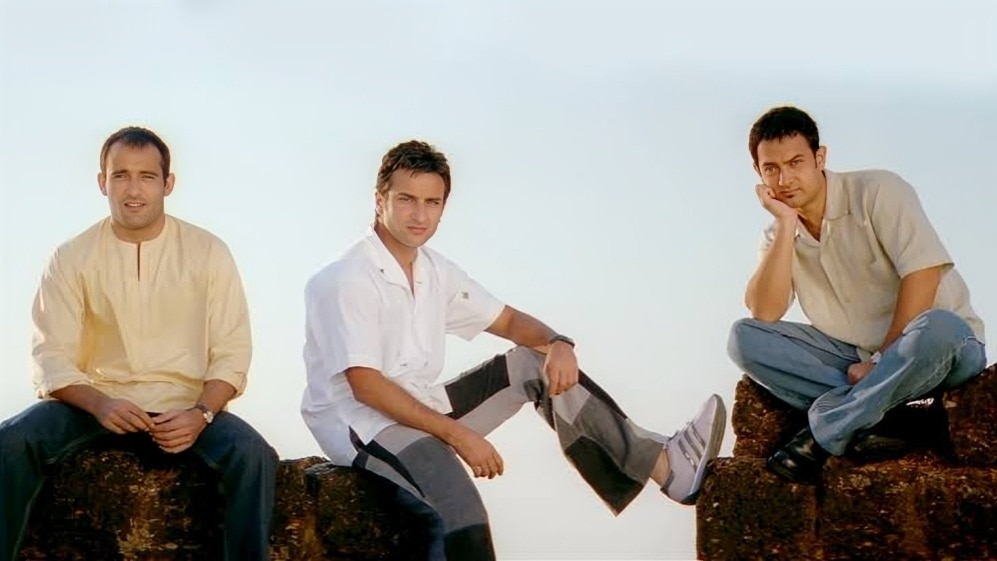
Twenty‑five years after its release, Dil Chahta Hai continues to influence filmmakers. This piece examines how Farhan Akhtar’s debut redefined narrative structures, dialogue, and editing in Hindi cinema.
Key Takeaways
- Set new storytelling standards for modern Hindi cinema
- Presented youth, friendship, and urban life with realism
- Introduced fresh approaches to dialogue, music, and editing
Farhan Akhtar’s 1999 film “Dil Chahta Hai” wrote a new chapter in Indian cinema. It captured the hearts of a generation while establishing a fresh narrative blueprint for filmmakers.
The movie broke away from the traditional song‑and‑dance formula, favoring natural dialogue and authentic performances. This shift created deeper audience engagement and accelerated the rise of indie‑style storytelling.
Over the years, its impact is evident in numerous contemporary films that explore friendship, love, and self‑discovery with a breezy, relatable tone.
Historical Background
In the late 1990s, Bollywood largely relied on grandiose melodrama, formulaic romances, and extravagant musical numbers. “Dil Chahta Hai” proved that a modest budget could deliver high‑quality storytelling, reshaping industry expectations.
Why This Matters
BozokMedia analysis shows that “Dil Chahta Hai” not only redefined audience expectations but also emboldened a new wave of creators to experiment beyond conventional genre boundaries. It remains a benchmark for today’s format‑driven content.
“Dil Chahta Hai blurred genre lines in Indian cinema, giving creative freedom a fresh direction.” – Shahrukh Khan, film critic
Frequently Asked Questions
Question 1: Did Dil Chahta Hai also change the musical style of Bollywood?
Answer: Yes, Shankar‑Ehsaan‑Loy’s soundtrack blended contemporary sounds with emotional depth, setting a new musical tone.
Question 2: How is the film’s influence visible in today’s movies?
Answer: Many recent releases focus on urban friendships and personal growth, echoing the narrative style pioneered by Dil Chahta Hai.