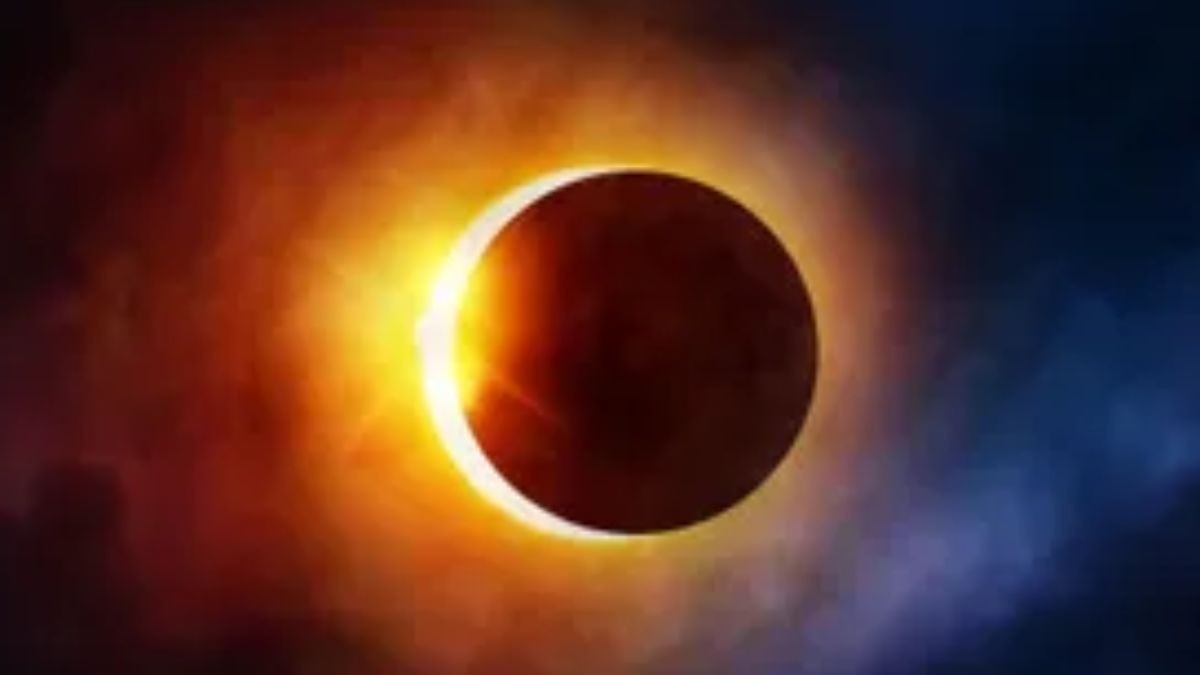
A total solar eclipse will occur on August 12, 2026, visible across parts of the Northern Hemisphere. India will not see the eclipse as it takes place at night, rendering any sutak period inapplicable. Viewers are encouraged to follow live streams online.
Key Takeaways
- August 12, 2026 total solar eclipse
- Not visible in India; no sutak period
- Visible primarily in Northern Hemisphere
Event Overview
On August 12, 2026, a rare total solar eclipse coincides with Shravan Amavasya, drawing attention from both scientific communities and spiritual observers. The eclipse falls under the influence of Cancer and the Ashlesha Nakshatra, adding astrological significance.
Timing Details
According to astronomical calculations, the eclipse will begin at 09:04 PM IST, reach its peak at 11:16 PM IST, and conclude in the early hours of August 13 (around 01:27 AM, with some almanacs extending to 04:25 AM).
Visibility in India
Since the eclipse starts during nighttime in India, the Sun will be below the horizon, making the event completely invisible. Consequently, the traditional sutak period does not apply, and residents can perform regular Amavasya rituals without additional restrictions.
Global Visibility
The totality will be observed primarily from Greenland, Iceland, northern Russia, the Atlantic Ocean, northern Spain, and parts of Portugal. Partial phases will be visible across Canada, parts of the United States, other European nations, and north‑west Africa.
How to Watch Online
Indian audiences can stream the eclipse live via NASA’s official website or the NASA Plus platform. Those located in the visibility zones should use certified solar filters or eclipse glasses to protect their eyes.
Why This Matters
BozokMedia analysis shows that this eclipse marks the first total solar eclipse visible in Europe since 1999, offering a rare scientific window for researchers and a cultural moment for millions observing the celestial event.
"A solar eclipse provides a unique convergence of scientific data collection and spiritual reflection," notes astrophysicist Dr. Anshu Sharma.
Frequently Asked Questions
- Will India be able to see the eclipse? No, the eclipse occurs at night in India, so it will not be visible.
- What safety measures should be taken during the eclipse? Observers in visibility zones must use certified eclipse glasses or solar filters to protect their eyes.