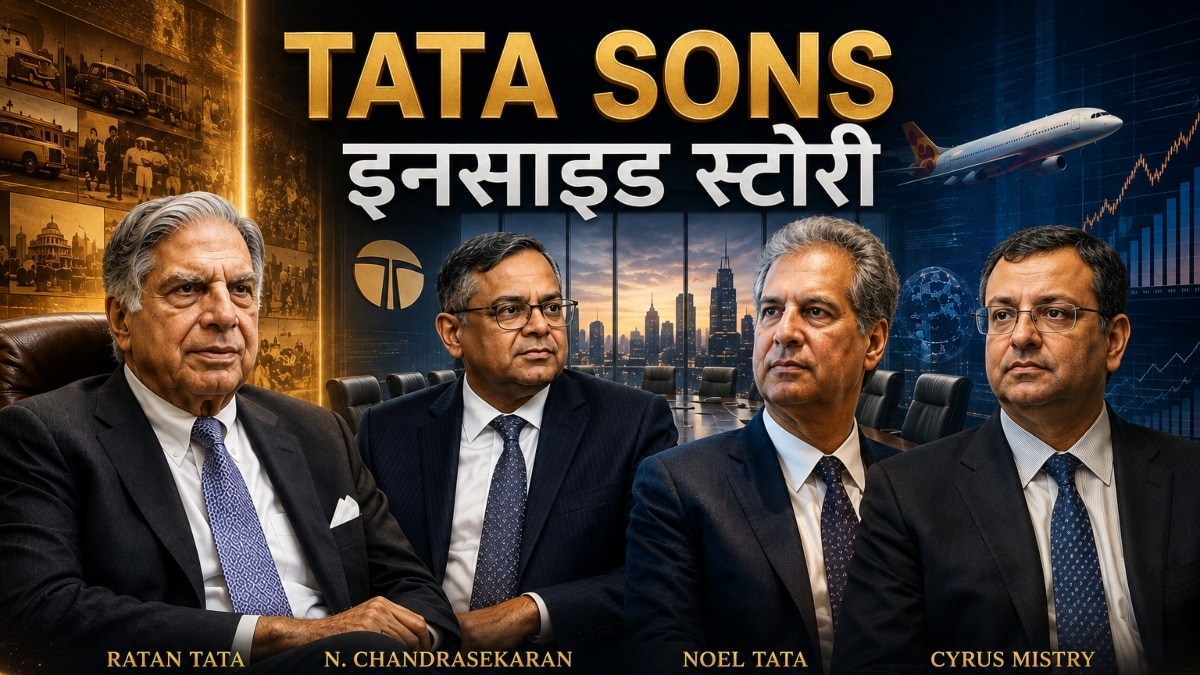
On August 13, N. Chandrasekaran announced his resignation as chairman of Tata Sons, reigniting a six‑month internal power struggle. The move mirrors the 2016 Cyrus Mistry ouster, highlighting persistent governance clashes between Tata Trust and Tata Sons’ board.
Key Takeaways
- Chandrasekaran will not seek an extension beyond his term ending on 20 February 2027.
- The resignation revives the 2016 Cyrus Mistry boardroom crisis, rooted in strategic disagreements.
- Ongoing tug‑of‑war between Tata Trust and Tata Sons over control continues to shape the group’s governance.
After serving as chairman for nearly a decade, N. Chandrasekaran submitted his resignation on Wednesday, stating he will not pursue an extension beyond his term that concludes on 20 February 2027. The announcement has thrown light on a six‑month internal dispute that has been simmering within the Tata conglomerate.
Historical Background
In 2016, Tata Group faced a similar upheaval when Cyrus Mistry was abruptly removed from the chairmanship. Ratan Tata stepped in as interim chairman, but strategic rifts over capital allocation, portfolio performance, and governance pitted the board against the Tata Trust. The episode sparked protracted legal battles in the NCLT, NCLAT, and ultimately the Supreme Court, which ruled in favor of Tata Sons.
Those legal tussles underscored a lingering question: who truly controls the group—the Trust or the board of Tata Sons? This ambiguity resurfaced after Ratan Tata’s death, when the Trust appointed Noel Tata as its head, reigniting the power dynamics.
Chandrasekaran’s Rise and Achievements
In January 2017, Ratan Tata hand‑picked his trusted professional, N. Chandrasekaran, to lead Tata Sons. Starting as a trainee within the Tata ecosystem, Chandrasekaran rose to become CEO of TCS and later chairman of Tata Sons. His tenure saw the revival of Air India, massive investments in semiconductors, electronics, digital business, and battery manufacturing.
Why This Matters
BozokMedia analysis shows that Chandrasekaran’s departure could reshape Tata Group’s strategic roadmap, especially as the balance of power between Tata Trust and the board grows tenuous. The shift may signal broader volatility for investors, stakeholders, and India’s corporate landscape.
"Changing the helm of a conglomerate like Tata is less about one individual and more about redefining the group’s governance and long‑term strategy," says economic analyst Prof. Anjali Sharma.
Frequently Asked Questions
Question 1: Will Chandrasekaran’s resignation affect Tata Group’s share price?
Answer: Market analysts predict short‑term volatility, but the long‑term impact will hinge on the group’s underlying fundamentals.
Question 2: Who will succeed as the head of Tata Trust?
Answer: No official announcement yet; potential candidates include Noel Tata and other family members.