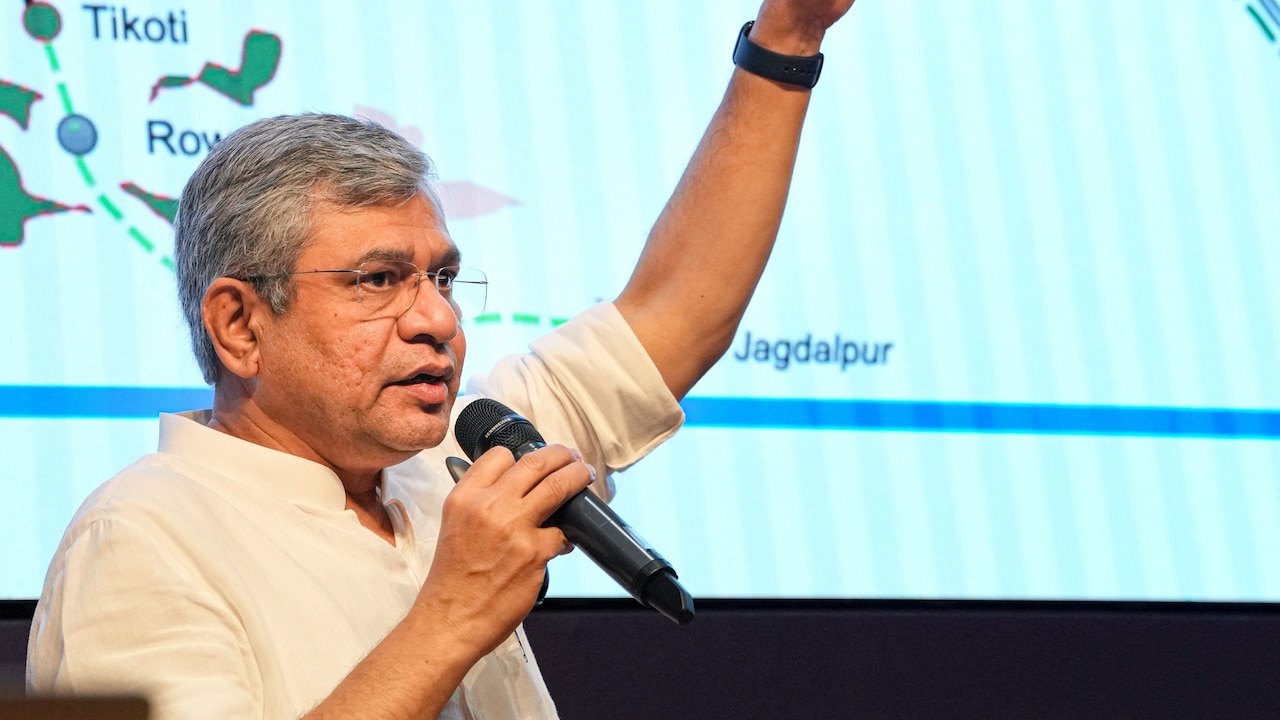
India has announced a strategic shift to open its nuclear sector to proven foreign technologies to meet growing energy demands. This initiative will operate under strict regulatory oversight to ensure safety and compliance.
Key Takeaways
- India formally allows the entry of foreign nuclear technology into its domestic market.
- The move aims to accelerate clean energy capacity and achieve net-zero goals.
- Strict regulatory oversight by AERB will be mandatory for all foreign collaborations.
In a landmark policy shift, India has decided to open its nuclear energy sector to proven foreign technologies. This decision marks a significant departure from decades of self-reliance, aiming to integrate global supply chains and rapidly scale up power generation capabilities to meet the nation's burgeoning energy needs.
Historical Background
Historically, India’s nuclear program has been largely insular, driven by the Atomic Energy Act of 1962 and international isolation following nuclear tests. However, the imperative to combat climate change and reduce carbon emissions has prompted the government to rethink its stance. By welcoming advanced technologies from global leaders, India hopes to bridge the gap between its energy targets and current generation capacity.
Why This Matters
BozokMedia analysis shows that this liberalization could be a turning point for India's infrastructure. Access to established foreign tech reduces development time and costs, potentially stabilizing the power grid and supporting industrial growth. It also positions India as a more attractive destination for high-tech foreign investment.
This pivot is not just about kilowatts; it is a strategic geopolitical maneuver that signals India's readiness to engage with the global nuclear order responsibly.
| Previous Stance | New Policy Direction |
|---|---|
| Focus on indigenous development | Adoption of proven foreign tech |
| Restricted private participation | Global collaboration in specific sectors |
| Slow capacity expansion | Accelerated power generation goals |
Frequently Asked Questions
Q: How will safety be maintained with foreign technology?
A: All projects must adhere to the stringent guidelines of the Atomic Energy Regulatory Board (AERB) and meet international safety protocols.
Q: Which countries are likely to benefit from this opening?
A: Nations with advanced nuclear capabilities such as France, the United States, and Russia are well-positioned to partner with India.