Prime Minister Narendra Modi used his Independence Day address to spotlight the aspirations of Generation Z, unveil a seven‑point 'Saptdhara' reform agenda, and warn about a new mental‑warrior Naxal threat, underscoring both opportunities and challenges for India.
Key Takeaways
- Gen Z positioned as a core driver of national growth
- Seven‑point Saptdhara roadmap announced
- New 'Dimaagi Naxal' mental‑warrior threat highlighted
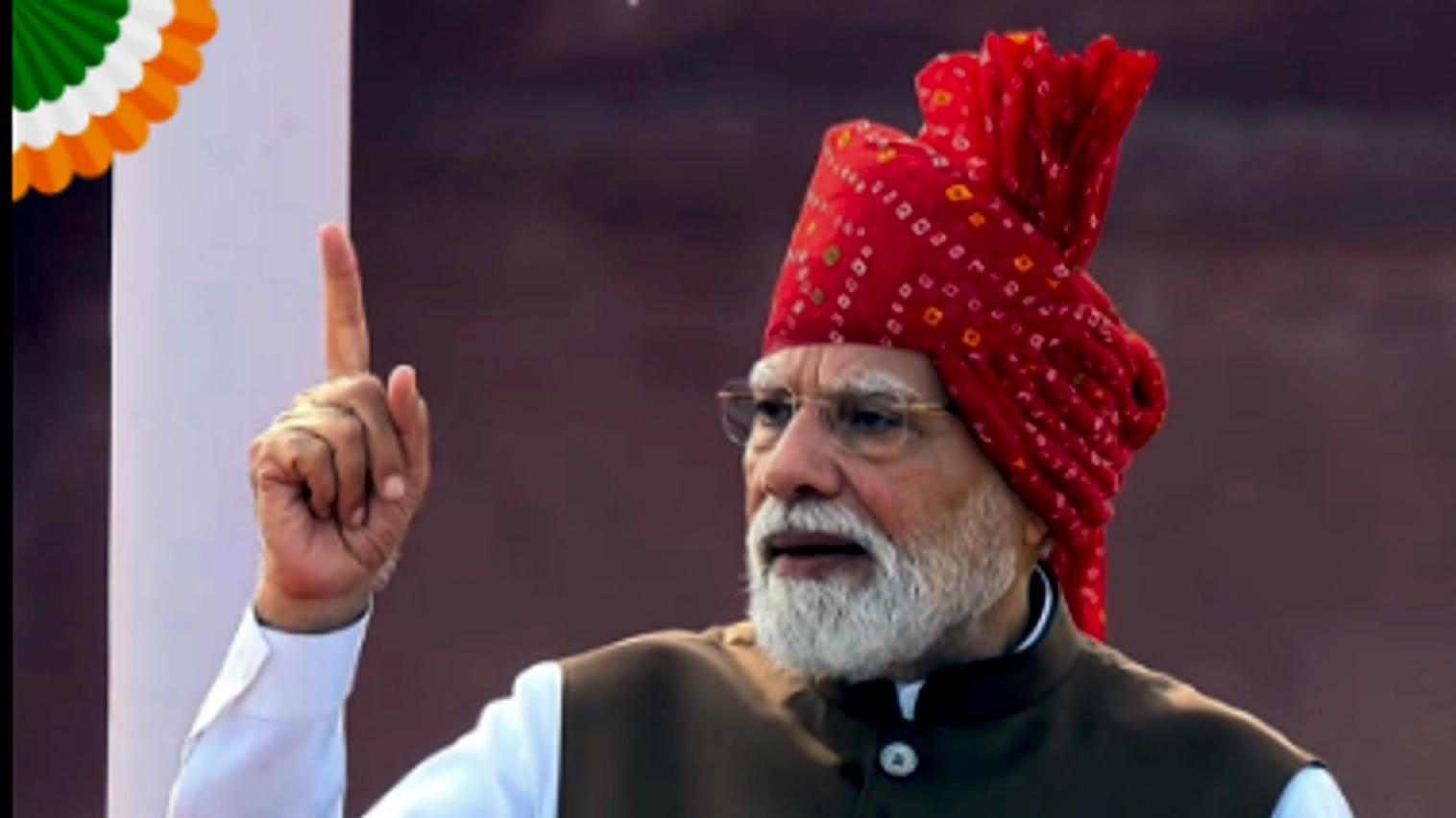
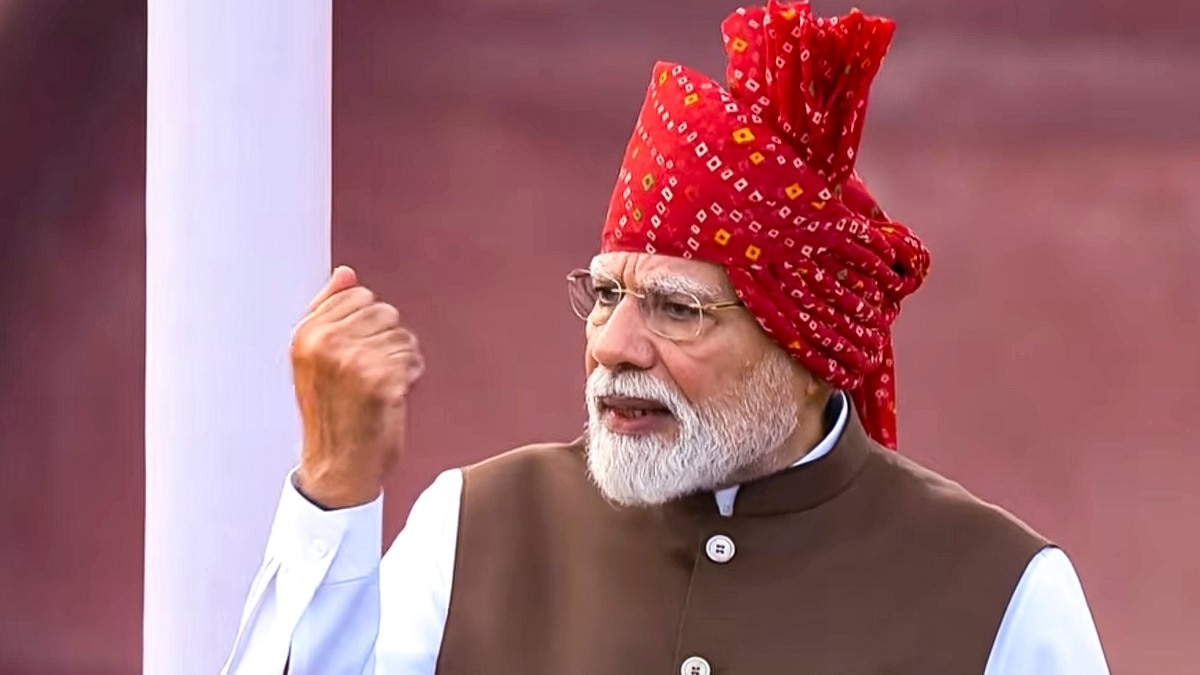
New Delhi – On August 15, 2026, Prime Minister Narendra Modi delivered his Independence Day speech from the Red Fort, addressing the nation in the wake of massive student protests over exam paper leaks.
The centerpiece of the address was a direct appeal to Generation Z, whom Modi described as "Yuva Shakti" (Youth Power). He pledged targeted initiatives for employment, skill development, and digital literacy to meet the aspirations of this young cohort.
Modi also introduced a seven‑point reform framework titled 'Saptdhara', covering education, health, infrastructure, agriculture, jobs, technological innovation, and environmental sustainability. This roadmap is slated to guide the government’s policy agenda over the next five years.
In a stark warning, the Prime Minister coined the term "Dimaagi Naxal" to describe a new mental‑warrior threat — individuals harboring extremist, anti‑national ideologies that could destabilize social harmony.
Historical Background
Independence Day speeches have historically set the tone for India’s policy direction. In 2014, Modi introduced flagship programs like Digital India and Make in India; in 2021, he emphasized "Atmanirbhar Bharat" (Self‑Reliant India). This year’s address builds on those foundations while adding a generational and security dimension.
Why This Matters
BozokMedia analysis shows that aligning national reforms with the aspirations of Gen Z can accelerate economic growth, while overlooking emerging ideological threats may undermine social cohesion.
"Empowering Gen Z is the cornerstone of India's future competitiveness," noted policy analyst Dr. Ravi Sharma.
Frequently Asked Questions
Q1: What are the key sectors covered under the Saptdhara roadmap?
A1: Education, health, infrastructure, agriculture, employment, technological innovation, and environmental sustainability.
Q2: What does the term 'Dimaagi Naxal' refer to?
A2: It denotes individuals adopting extremist, anti‑national mindsets that pose a mental‑warrior security challenge.