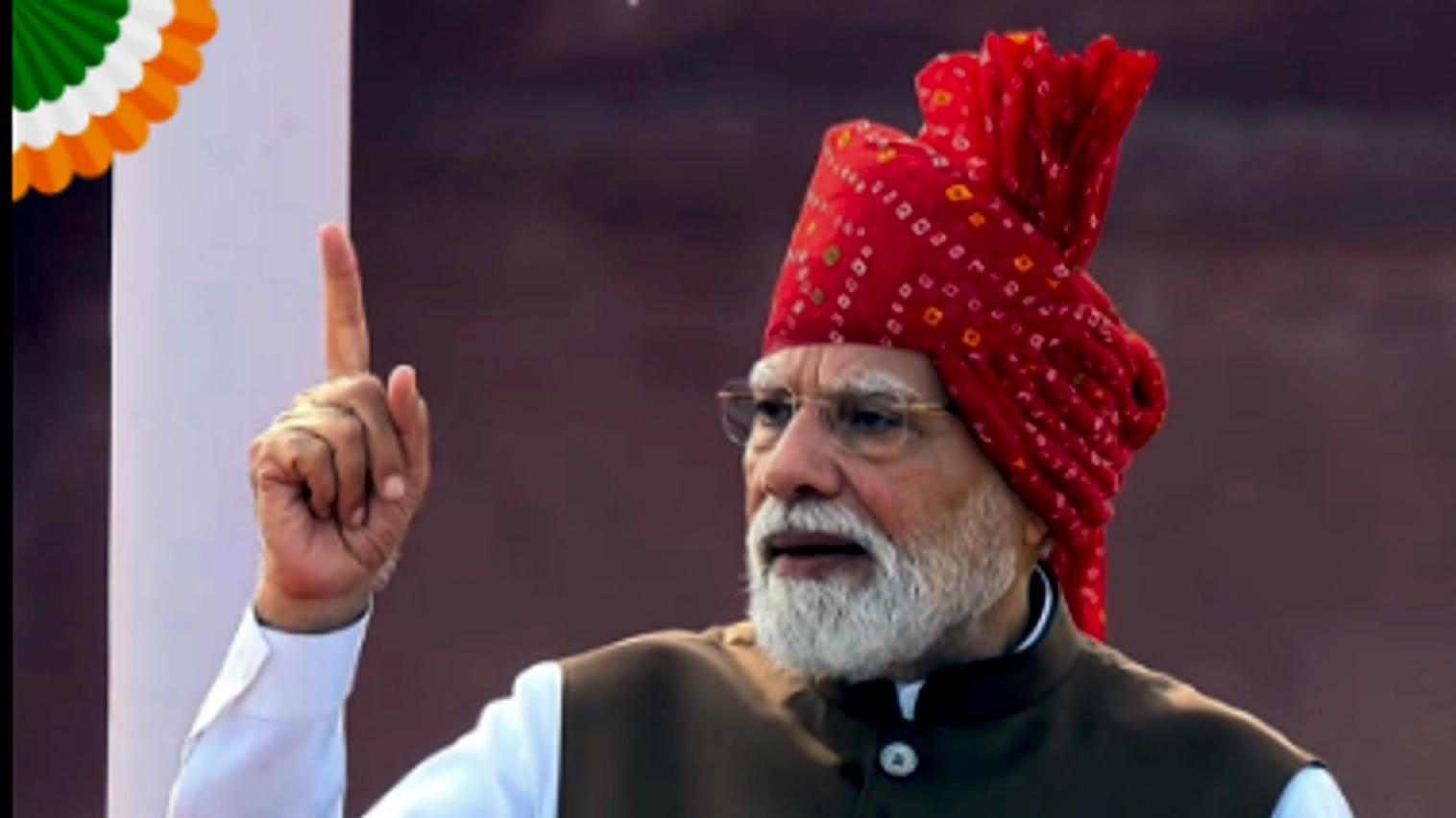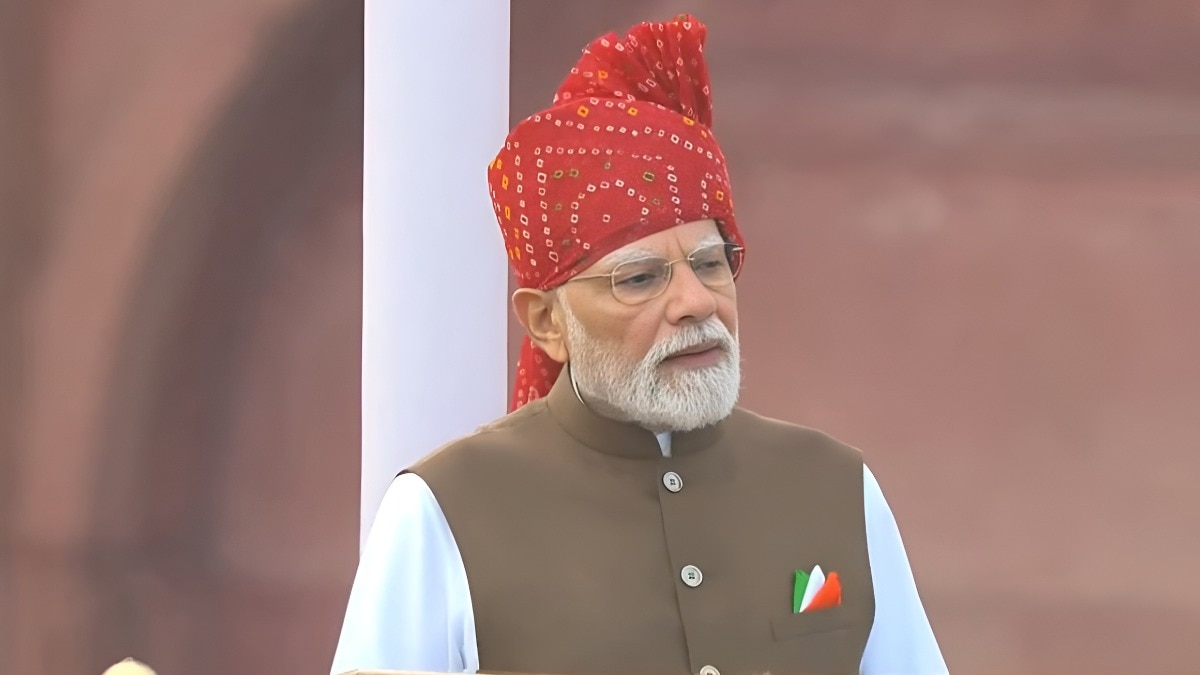
Prime Minister Narendra Modi unveiled the 'Shakti Ki Saptdhara'—seven growth streams that will drive India's upcoming employment surge.
Key Takeaways
- Manufacturing, agriculture, technology, infrastructure, defence, green‑blue economy and soft power are the focus.
- These sectors will generate a surge in skill‑based jobs across the nation.
- The goal is a self‑reliant, globally competitive India.
Speaking from the Red Fort on Independence Day, Prime Minister Narendra Modi presented seven growth streams under the banner "Shakti Ki Saptdhara". Prioritising these sectors is expected to unleash a fresh wave of employment opportunities.
Manufacturing was described as the engine of India's future growth, calling for production of both components and finished goods. Emphasis on cost, quality and scale aims to make Indian manufacturers globally competitive.
Agriculture focuses on taking traditional millets, spices, fruits and vegetables to global markets. This opens jobs in food processing, packaging, logistics and agritech beyond conventional farming.
Technology highlights data centres, robotics and emerging 6G initiatives. Positioning India as a hub for these technologies will spur demand for digital and AI talent.
Gati Shakti calls for seamless high‑speed connectivity—expressways, high‑speed rail and port‑led development—creating jobs in construction, transport and infrastructure services.
Defence under "Raksha Shakti" pushes self‑reliance, especially in drones and counter‑drone tech, with an aim to become a global defence equipment supplier.
Green and Blue Economy covers green hydrogen, renewable energy, energy storage and opportunities in fisheries, coastal tourism and ocean tech.
Soft Power encompasses yoga, handicrafts, film, animation, gaming and digital content, tapping into rising global demand for creative products.
Historical Background
Past initiatives like "Make in India" and "Digital India" laid the groundwork for manufacturing and tech growth. Saptdhara builds on these programs, offering a broader, multi‑sectoral roadmap for the next economic surge.
Why This Matters
BozokMedia analysis shows that investment in these seven streams could create over 12 million direct jobs within the next five years, providing stable employment for India's burgeoning youth population.
"A skill‑focused strategy is the linchpin of India's job‑creation engine."
Frequently Asked Questions
Q1: Which skills will be most in demand across the seven sectors?
A: Advanced manufacturing, agri‑tech, data science, robotics, infrastructure management, defence technology and digital content creation.
Q2: How will the government ensure investment in these sectors?
A: Through targeted policy frameworks, financial incentives, public‑private partnerships and dedicated skill‑development programmes.