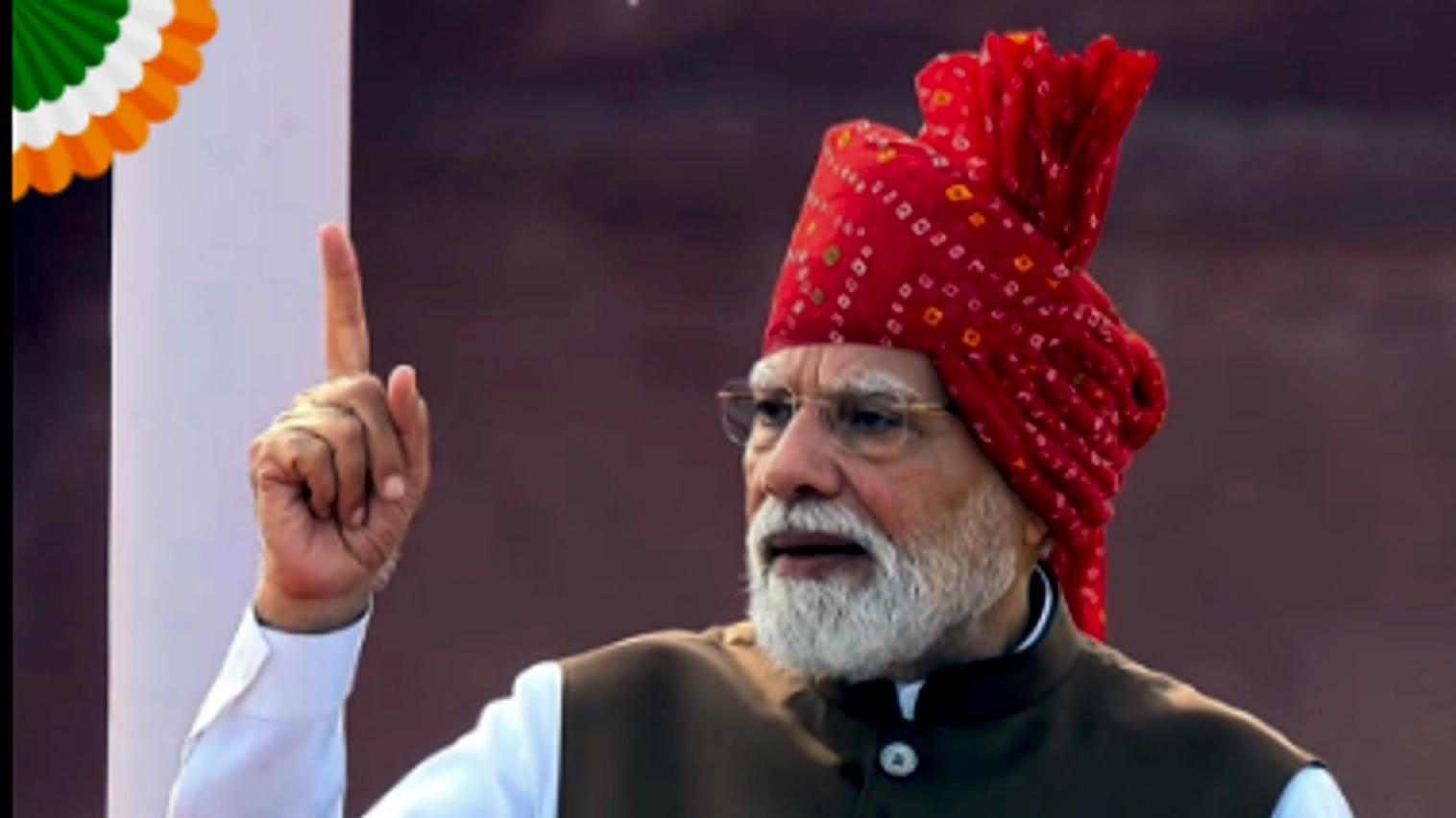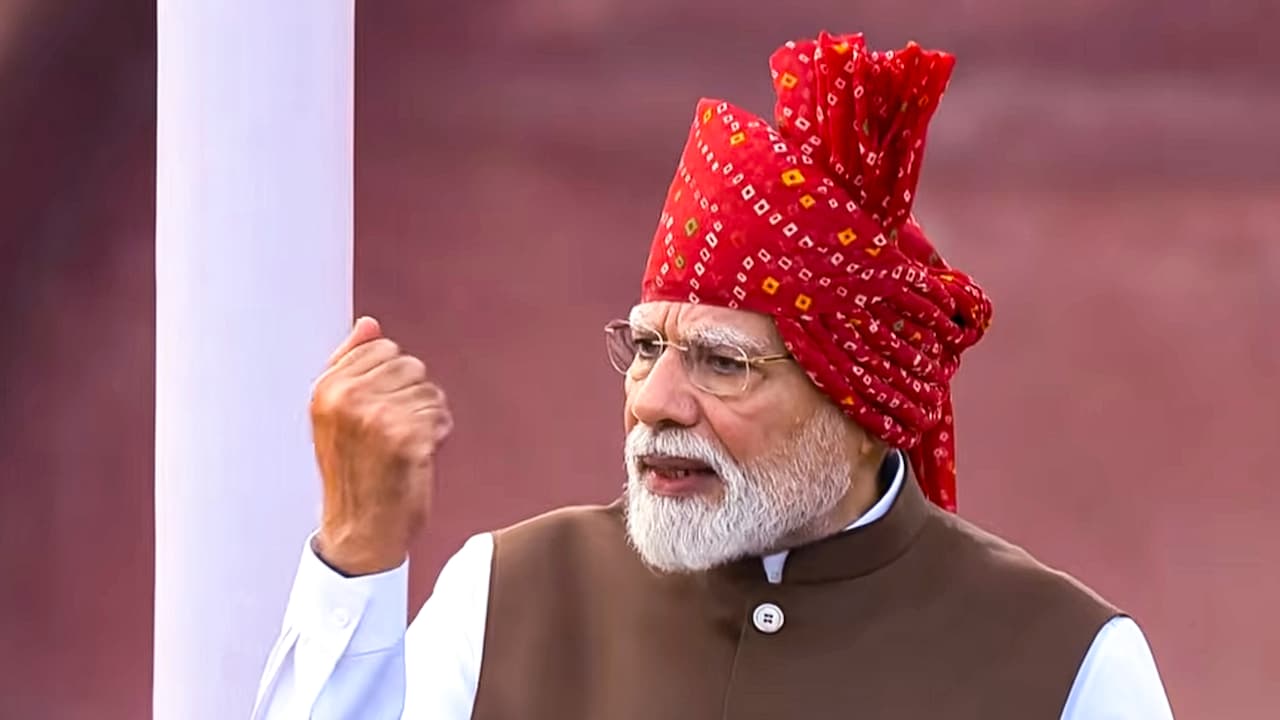
Prime Minister Narendra Modi used Independence Day to warn about a new enemy – “mental Naxals” embedded in power corridors. He highlighted the loss of over 3,500 security personnel to Maoist violence and declared that Maoist terror is on its last breath.
Key Takeaways
- ‘Mental Naxals’ operate within political and advisory circles
- More than 3,500 security forces killed fighting Maoist insurgency
- Identifying and isolating these thinkers is essential for national unity
Prime Minister’s Speech Highlights
Speaking from the ramparts of the Red Fort on Independence Day, Prime Minister Narendra Modi introduced a fresh threat – the “Dimaagi Naxal” or “mental Naxal”. While armed insurgents in the jungles have been largely neutralised, he warned that ideologically driven Naxals now occupy influential positions across the country.
Modi stressed that over 3,500 security personnel have sacrificed their lives in operations against Naxal violence, a figure higher than casualties in many conventional wars. He reminded the nation that the promise made in 2014 to eradicate Naxalism is bearing fruit, with Maoist violence taking its “last breath”.
Historical Background
Naxalism emerged in the late 1960s as a left‑wing insurgency rooted in rural disenfranchisement and economic neglect. Over decades, the movement shifted from guerrilla warfare to influencing policy through advisory roles in governmental committees. Recent development initiatives in erstwhile red‑terror zones have curbed the insurgency’s foothold, yet ideological remnants persist.
Why This Matters
BozokMedia analysis shows that branding intellectual dissent as “mental Naxals” could reshape India’s internal security narrative, influencing policy‑making and public perception for years to come.
"The challenge of mental Naxals is as much about ideas as it is about arms," notes security analyst Dr. Ananya Rao.
Frequently Asked Questions
- What does “mental Naxal” mean? It refers to individuals who propagate Maoist ideology without resorting to armed struggle, often influencing policy and public discourse.
- How will the government tackle this new threat? The Prime Minister emphasized identification, isolation, and engaging youth with mainstream development pathways.