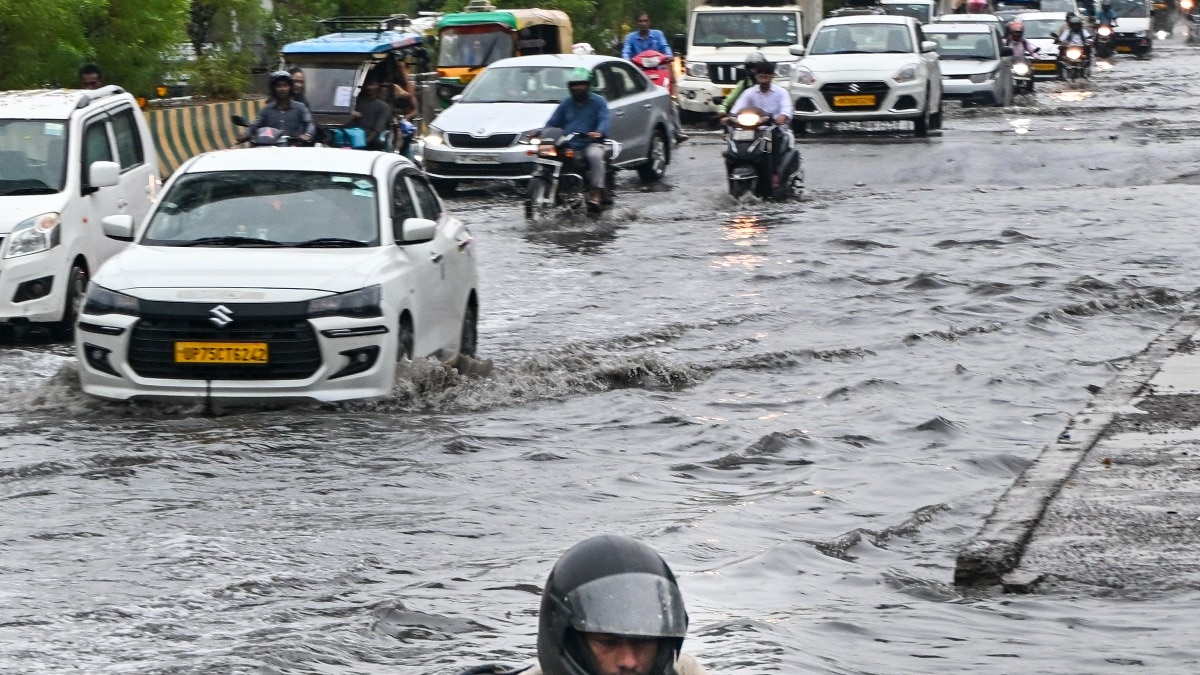
A viral video shows a commuter receiving an electric shock and falling into a rain‑water‑filled drain. The incident highlights critical gaps in urban safety and electrical infrastructure across Indian cities.
Key Takeaways
- Electric shocks pose severe injury or fatality risks
- Open drains filled with rainwater become hazardous during monsoon
- Urban electrical and drainage systems need urgent upgrades
A short but shocking video has captured a man on his way to work being jolted by an exposed live wire, after which he slips into a drain brimming with rainwater. While the clip lasts only a few seconds, it throws a stark light on the intersecting dangers of faulty electrical installations and inadequate storm‑water management in Indian metros.
Details of the Incident
The footage shows the commuter stepping into an open drainage channel when a sudden surge from a dangling power line strikes him. The electric shock causes him to lose balance, and he tumbles into the water‑logged trench. Bystanders rush to assist, but the video does not make clear whether immediate medical aid was rendered.
Historical Context and Similar Cases
Such incidents are not isolated. In 2022, a truck driver in Mumbai suffered a comparable electric shock and fell into a drainage pit, sustaining serious injuries. Monsoon seasons regularly exacerbate these risks, as clogged or uncovered drains become breeding grounds for accidents involving pedestrians, cyclists, and motorists.
Safety Recommendations and Policy Outlook
Experts argue for a three‑pronged approach: first, retrofit open drains with protective covers or grate systems; second, relocate overhead power lines underground or raise them well above pedestrian pathways; third, launch public awareness campaigns on electrical safety, especially during heavy rains. Coordination between municipal authorities and utility companies is essential to formulate and implement a comprehensive safety roadmap.
Potential Long‑Term Implications
If left unchecked, these hazards could multiply, imposing greater health costs and undermining public confidence in urban planning. Moreover, recurring incidents may trigger legal scrutiny over negligence and compel stricter regulatory standards. Prompt, decisive action is therefore not just a matter of individual safety but of broader socioeconomic stability.