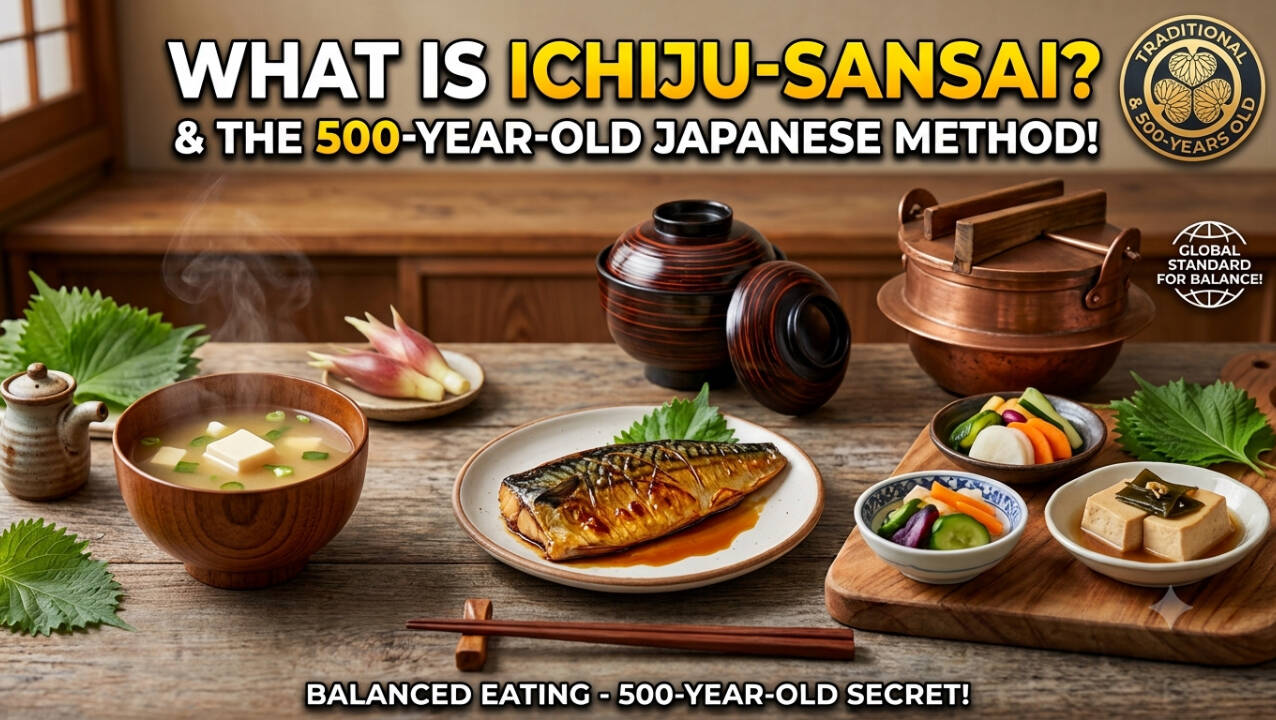
Ichiju‑Sansai, meaning ‘one soup, three dishes,’ is a five‑century‑old Japanese meal format that blends nutrition, seasonal produce, and portion control. The practice not only boosts satiety but also promotes longevity and overall well‑being.
Key Takeaways
- Ichiju‑Sansai consists of one soup, one main protein dish, and two vegetable side dishes.
- Seasonal ingredients, varied cooking methods, and portion control make it a health‑centric model.
- The principle can be adapted worldwide using local proteins, vegetables, and whole‑grain rice.
As global food trends chase novelty and visual appeal, ancient culinary wisdom reminds us that sustainability often lies in simplicity. Ichiju‑Sansai—literally “one soup, three dishes”—is a 500‑year‑old Japanese eating framework that emphasizes balance, seasonality, and mindful consumption.
Meal Structure and Nutritional Benefits
The traditional plate includes one miso soup (vegetables, tofu or seaweed), one protein‑rich main (grilled fish, chicken, tofu or egg), two side dishes (vegetable‑based, pickles, seaweed or legumes), and a serving of steamed rice. This combination naturally delivers carbohydrates, high‑quality protein, healthy fats, vitamins, and minerals, stabilising blood sugar and enhancing digestive health.
Historical and Cultural Roots
Ichiju‑Sansai traces back to Japan’s Muromachi period (1336‑1573) where Zen Buddhist principles encouraged minimalist, mindful living. The concept evolved from the formal court cuisine “honzen ryōri,” which prized etiquette and nutritional completeness. Over centuries it became the staple of Japanese households, prized for its practicality and ability to keep people fit and active.
Seasonal Ingredients: The Core of the Concept
Spring brings bamboo shoots and fresh greens; summer offers cucumbers and tomatoes; autumn features mushrooms and sweet potatoes; winter relies on root vegetables and hearty soups. Scientific studies confirm that eating seasonally not only heightens flavor but also diversifies nutrient intake throughout the year, supporting long‑term health.
Adapting Ichiju‑Sansai Globally
The framework is remarkably flexible: a bowl of soup, a grilled protein (chicken, paneer, tofu), two sautéed or roasted vegetables, and a portion of brown rice. Vegetarians can replace fish with tempeh, edamame or beans, preserving the protein balance while staying true to the principle of variety and moderation.
In an era dominated by crash diets and quick fixes, Ichiju‑Sansai offers a timeless lesson—well‑being stems from diversity, moderation, and respect for the food on our plates.