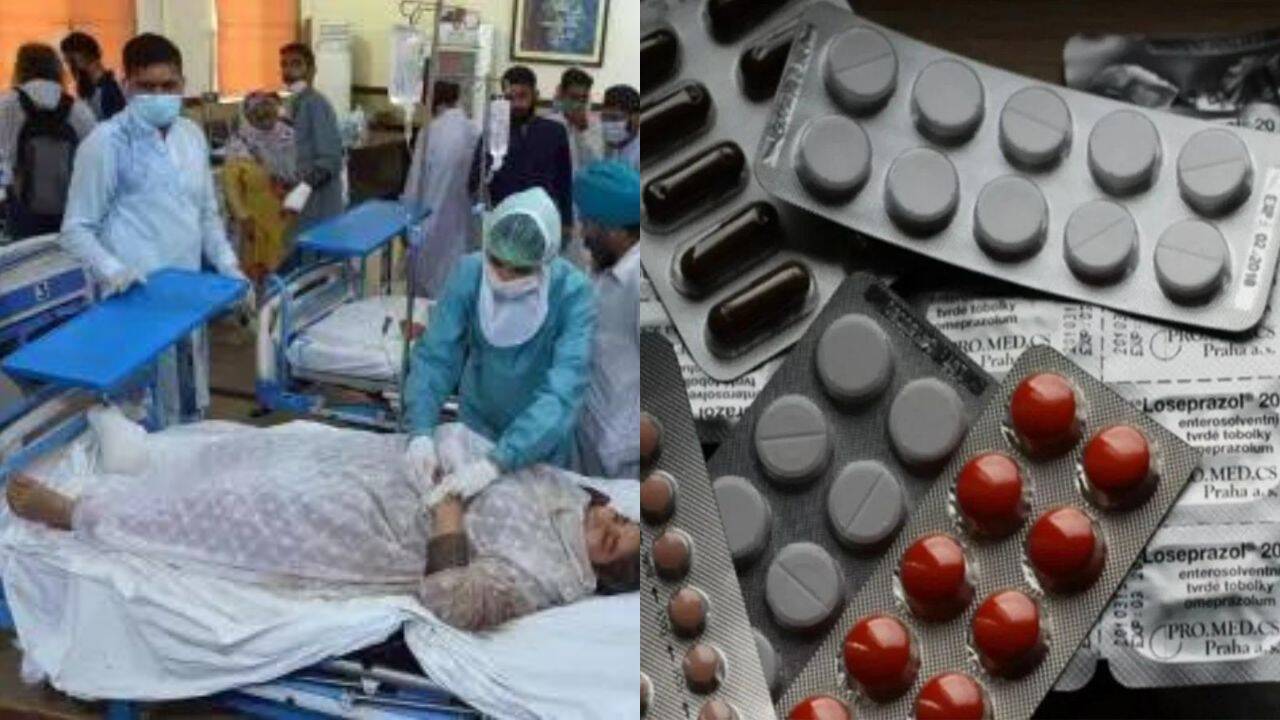
Pakistan is grappling with a critical shortage of over 100 essential medicines, covering cancer treatments, heart‑attack drugs and other life‑saving therapies. Delayed price revisions and soaring raw‑material costs have crippled production, opening a window for counterfeit products.
Key Takeaways
- DRAP’s price revision for 105 medicines stalled for over two years
- Rising raw‑material, energy and currency depreciation hikes manufacturing costs
- Shortage of genuine drugs fuels the spread of counterfeit and substandard products
Pakistan’s health sector is now in the throes of a profound crisis, with more than 100 life‑saving medicines scarce or unavailable. The shortage spans oral morphine for cancer patients, streptokinase injections used in heart‑attack emergencies, and key chemotherapy agents such as cis‑platin, carboplatin and doxorubicin.
Background Context
According to a Dawn investigation, the Drug Regulatory Authority of Pakistan (DRAP) recommended revised pricing for 105 drugs under the “hardship” category more than two years ago after concluding that surging production costs rendered them commercially non‑viable. Yet the federal cabinet has yet to approve these proposals, causing manufacturers to scale back output and leaving the market starved.
Economic Pressures
DRAP identified a cascade of cost drivers: higher prices for imported raw materials, electricity, fuel, packaging, transport, labour, financing and the sharp depreciation of the Pakistani rupee. Pharmaceutical firms argue that the current pricing regime prevents them from recouping even basic production expenses, forcing many to either cut production volumes or cease manufacturing essential drugs altogether.
Counterfeit Risk
Abdul Samad Buddani, a senior figure in the Pakistan Chemists and Druggists Association, warned that the persistent shortage of authentic medicines is creating fertile ground for counterfeit and sub‑standard products. Desperate patients, especially those seeking expensive oncology treatments, are increasingly turning to unreliable sources, raising grave concerns over safety and authenticity.
Call for Immediate Government Action
Industry representatives have urged the cabinet to fast‑track the pending hardship‑pricing cases, warning that further delays will exacerbate shortages and cripple healthcare delivery. A senior official of the Pakistan Pharmaceutical Manufacturers’ Association stressed that manufacturers cannot continue to produce essential medicines without a viable cost‑recovery mechanism.
The drug scarcity unfolds against mounting pressure on Pakistan’s public health system. Earlier this month, doctors at Karachi’s Abbasi Shaheed Hospital staged protests over unpaid stipends, inadequate security and drug shortages, threatening to suspend outpatient services if their demands were not met.