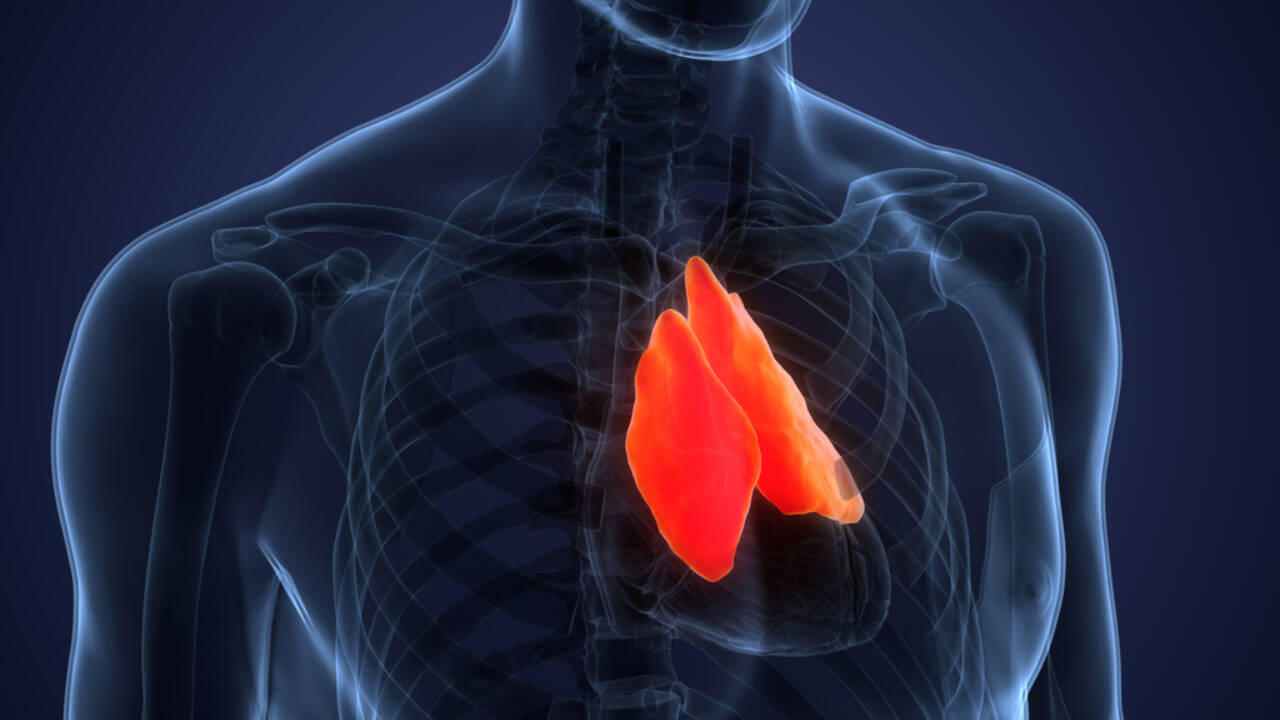
A recent study finds that the condition of the thymus can serve as a powerful predictor of how long a person lives. Healthier thymus tissue is linked to markedly lower mortality risk, while habits like smoking and obesity can accelerate its decline.
Key Takeaways
- Healthy thymus correlates with increased longevity
- Smoking and obesity damage thymic function
- Thymus is a central clue to diverse aging pathways
Researchers from leading U.S. institutions have uncovered that the thymus—an often‑overlooked gland in the chest—may be a decisive biomarker for human lifespan. By analyzing imaging and functional data from over 10,000 adults, the team demonstrated that individuals with robust thymic tissue face a substantially reduced risk of death from any cause.
Biological Role and Scientific Context
The thymus is the cradle where T‑cells are generated, educated, and selected. These T‑cells form the backbone of adaptive immunity, defending the body against infections, cancers, and autoimmune attacks. As we age, the thymus naturally shrinks and becomes less active, a process known as immunosenescence. The new findings suggest that the rate of this decline may directly influence overall mortality, positioning the thymus as a pivotal clock in human aging.
Lifestyle Influences on Thymic Health
Key lifestyle variables—particularly smoking, excess body weight, and poor diet—were shown to accelerate thymic atrophy. Conversely, regular exercise, sufficient sleep, and antioxidant‑rich nutrition appear to preserve thymic architecture and function. In this light, the thymus emerges as a tangible read‑out of how daily choices translate into long‑term health outcomes.
Implications for Future Research and Public Health
Scientists are now exploring thymus‑targeted therapies, ranging from regenerative drugs to lifestyle interventions, that could rejuvenate immune competence and extend healthy years. Moreover, incorporating thymic assessment into routine health screenings could enable early identification of high‑risk individuals, allowing preemptive measures before chronic disease sets in.
Broader Societal Impact
Beyond its clinical relevance, the study reshapes our understanding of aging as a multifactorial process where a single organ can reflect the cumulative effect of genetics, environment, and behavior. Policymakers may need to rethink preventive health strategies, emphasizing thymic preservation as a cornerstone of longevity research.
