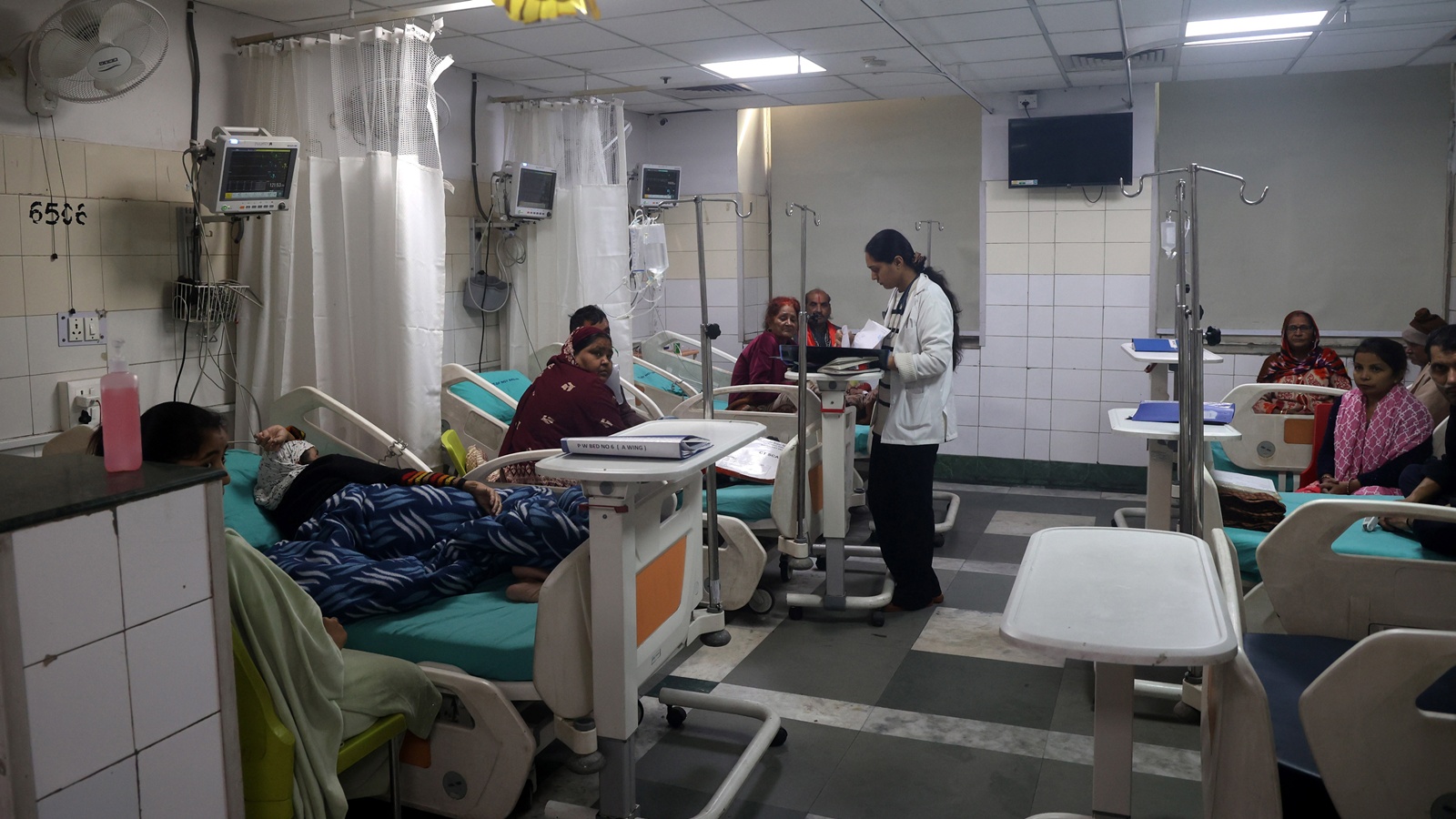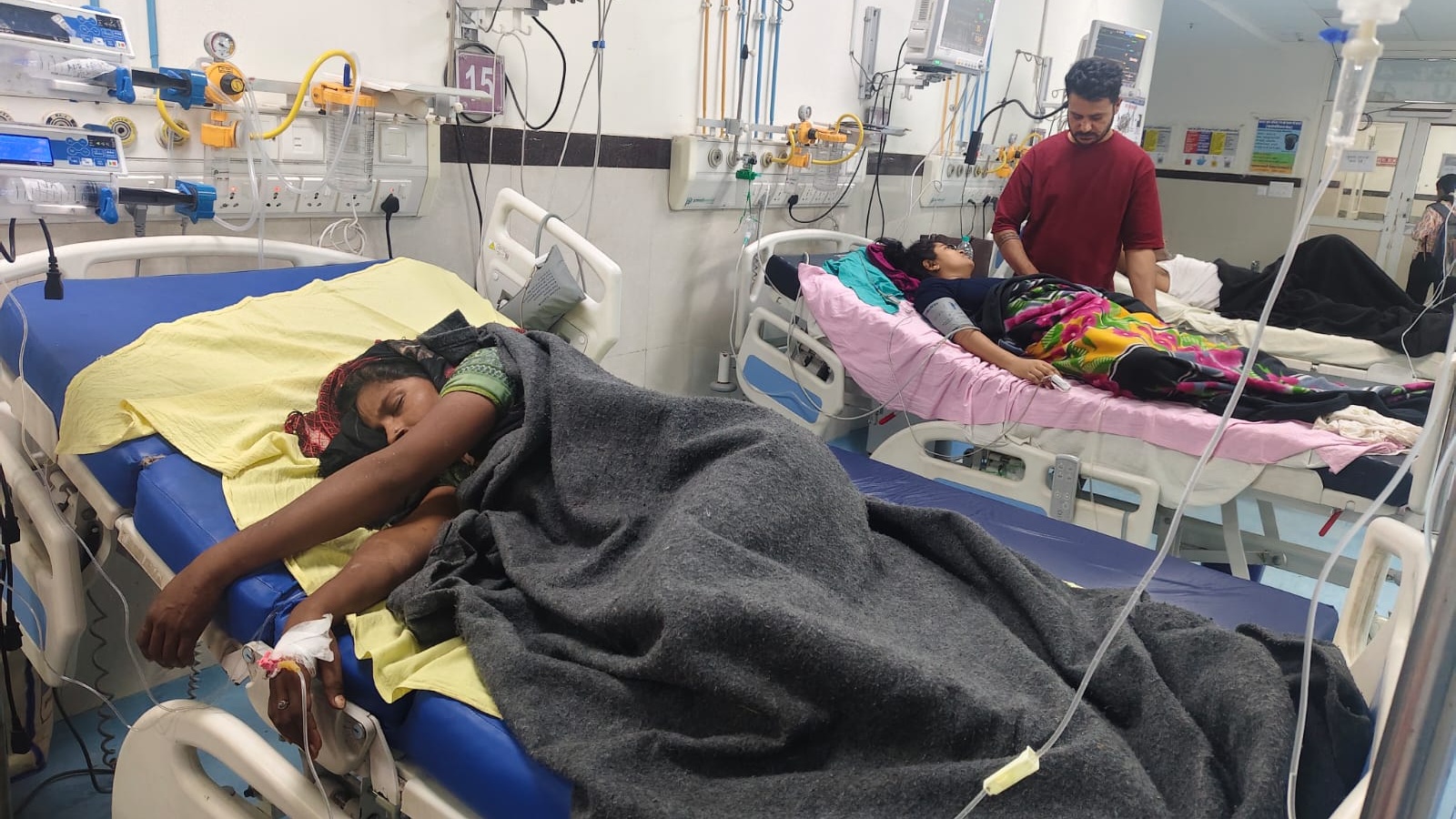
Kota district authorities have pledged free treatment, priority dialysis and expedited kidney transplants along with a financial grant of ₹2 lakh for five mothers suffering kidney failure after C‑sections. The move comes amid a growing maternal‑health crisis in the region.
Key Takeaways
- Free treatment, priority dialysis and guaranteed kidney transplant
- Financial assistance of ₹2 lakh per patient
- Priority placement on cadaver kidney transplant waiting list
Kota district administration and the Government Medical College signed a written agreement on Thursday with the families of five women who developed kidney failure following C‑section deliveries. The accord was chaired by Principal and Controller Dr. Nilesh Kumar Jain, alongside Additional District Collector (City) Vinod Kumar Malhotra and Head of Nephrology Dr. Vikas Khandelia.
Background and Escalation of the Crisis
Between May 5‑7, the five women underwent C‑sections at Kota’s New Medical College. Two months later, all were hospitalized with acute kidney failure. In a desperate plea to President Droupadi Murmu, they demanded either an immediate organ transplant or permission for euthanasia, a request that captured national attention and forced authorities to act.
Key Provisions of the Agreement
Under the agreement, all dialysis sessions and related medical care will be provided free of cost on a priority basis. Should a living donor be identified within the family, the transplant will be performed promptly without any charges. Additionally, the patients will be given priority on the cadaver kidney transplant waiting list, and if required, transplants can be carried out at any government medical institution in Rajasthan, including AIIMS Jodhpur, at no expense.
National Human Rights Commission Intervention
Simultaneously, the National Human Rights Commission (NHRC) issued a notice to the Rajasthan government after reports surfaced that eight women and a minor died within a week following surgeries at government hospitals in Bhilwara and Banswara districts. The NHRC has demanded a detailed report within two weeks, underscoring the severity of the broader obstetric safety concerns.
Implications and Future Directions
While the immediate relief is welcome, experts warn that sustainable reforms—enhanced prenatal screening, stringent infection control, and continuous renal monitoring—are essential to prevent recurrence. If replicated across the state, such measures could dramatically reduce maternal mortality and long‑term health complications.