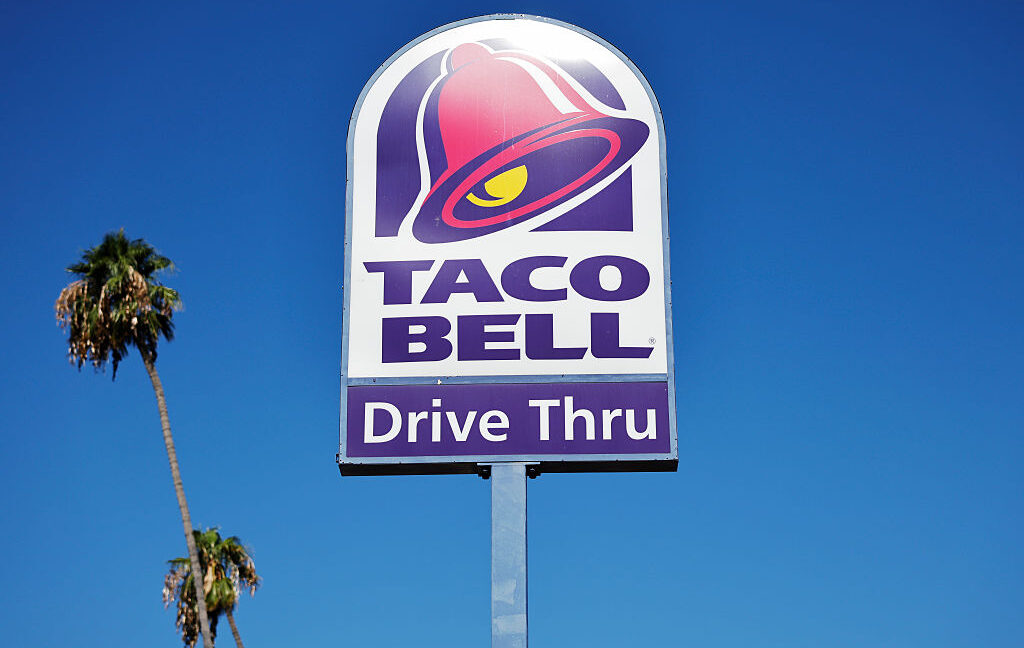
Federal officials have identified shredded iceberg lettuce imported from Mexico, served at Taco Bell locations, as the source of Cyclospora infections across five U.S. states. Consumers in Indiana, Kentucky, Michigan, Ohio and West Virginia are urged to avoid any lettuce‑based menu items until further notice.
मुख्य बिंदु (Key Takeaways)
- Shredded iceberg lettuce at Taco Bell found contaminated with Cyclospora
- Five affected states: Indiana, Kentucky, Michigan, Ohio, West Virginia
- Probable source: a Mexican supplier, believed to be Taylor Farms
Federal health agencies announced on Friday that shredded iceberg lettuce imported from Mexico and served in Taco Bell restaurants across five states is the source of Cyclospora, a food‑borne parasite that triggers explosive watery diarrhea. The Centers for Disease Control and Prevention (CDC) and the Food and Drug Administration (FDA) traced the contamination to a single supplier, though the agency did not publicly name the farm.
Sources familiar with the investigation told the Washington Post that the supplier is likely Taylor Farms, a company already implicated earlier this year in a multi‑state E. coli outbreak linked to contaminated onions served at McDonald’s and other fast‑food chains. FDA inspectors previously cited multiple violations at a Taylor Farms facility in Colorado, underscoring ongoing compliance challenges.
Historical Background (इतिहासिक पृष्ठभूमि)
Cyclospora was first identified in the early 1990s and has since been responsible for several food‑borne outbreaks worldwide. In 2023, the United States recorded its largest Cyclospora surge, with more than 2,500 reported cases, many tied to imported fresh produce. The parasite thrives in water and can survive on improperly washed vegetables, making fresh‑produce supply chains a recurrent vulnerability.
Why This Matters (इसके मायने क्या हैं)
BozokMedia analysis shows that the outbreak not only threatens public health but also jeopardizes consumer confidence in major fast‑food brands. A repeat contamination event can trigger a dip in sales, heightened regulatory scrutiny, and potential litigation, compelling the industry to tighten sourcing standards.
For everyday diners, the incident highlights the importance of rigorous produce handling: washing lettuce thoroughly, sourcing from reputable vendors, and staying informed about food‑safety alerts. Economically, disruptions in a staple ingredient like lettuce can ripple through the supply chain, driving up costs and affecting small‑scale farmers who rely on export markets.
Dr. Anita Sharma, infectious disease specialist, says: "Cyclospora infections can be severe, especially in immunocompromised individuals, so proper sanitation and prompt treatment are essential."
Frequently Asked Questions (अक्सर पूछे जाने वाले प्रश्न)
Question 1: What are the symptoms of a Cyclospora infection?
Answer: Sudden onset of watery diarrhea, abdominal cramps, fever, and sometimes nausea or vomiting. Symptoms can last 1‑2 weeks if untreated.
Question 2: How can consumers safely consume lettuce?
Answer: Rinse lettuce under cold running water, purchase from trusted sources, and consider cooking or blanching lettuce when possible to eliminate parasites.