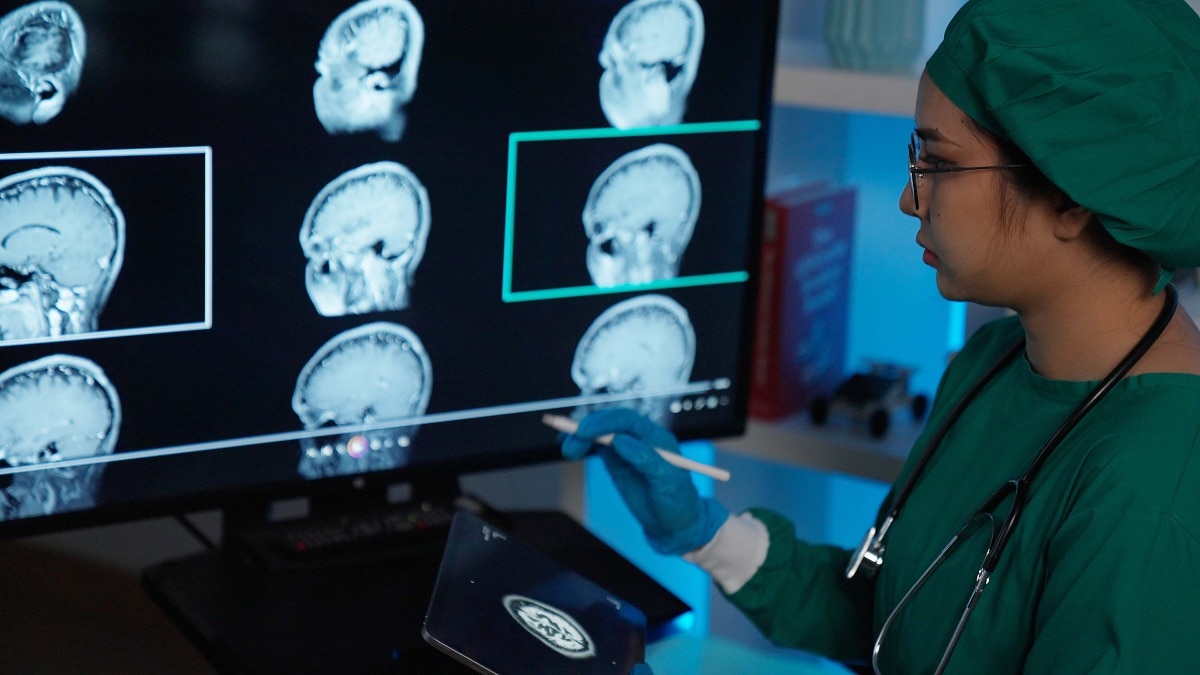
Neurologists report a surge in young adults suffering from 'smartphone brain' symptoms, including brain fog and concentration issues. Discover how excessive screen time is reshaping cognitive health.
Historically, a visit to a neurologist was synonymous with aging, stroke, or neurodegenerative diseases like Parkinson's. However, a paradigm shift is occurring in clinical practice. A new demographic—teenagers and young adults—is flooding clinics, not with chronic illnesses, but with symptoms of what experts are calling 'Smartphone Brain.'
While smartphones are not direct causes of neurological diseases, the incessant stimulation they provide is altering how the brain functions. Dr. Deep Das, a neurologist at CK Birla Hospitals, notes that haphazard usage can fundamentally change attention spans, sleep patterns, and cognitive functions. The brain, conditioned by endless scrolling and instant notifications, struggles to settle into deep, focused states.
Why This Matters (इसके मायने क्या हैं)
BozokMedia analysis shows that this shift represents a significant public health challenge that transcends individual wellness. As the digital landscape becomes more immersive, the inability to maintain sustained attention can lead to decreased productivity and increased anxiety across the global workforce.
Furthermore, the impact on the developing brains of adolescents is particularly concerning. If cognitive patterns are being reshaped by rapid-fire digital stimuli during critical developmental years, we may face long-term societal implications regarding learning, problem-solving, and emotional regulation.
Technology is a useful tool, but good digital habits are just as important for long-term brain health.
The Digital Impact: Old vs. New Patterns
| Aspect | Traditional Cognitive Pattern | Smartphone-Induced Pattern |
|---|---|---|
| Focus | Deep, sustained concentration | Fragmented, rapid task-switching |
| Sleep Cycle | Natural melatonin regulation | Blue light-induced sleep disruption |
| Physicality | Neutral posture | 'Text Neck' and muscle strain |
| Mental State | Consistent cognitive stamina | Digital fatigue and 'Brain Fog' |
Historical Background: For millennia, human cognitive evolution was driven by slow-moving environmental cues and social interactions. The sudden introduction of high-frequency, dopamine-driven digital stimuli in the 21st century has created a 'mismatch' between our biological evolution and our modern environment, leading to the rise of digital fatigue.
Frequently Asked Questions (अक्सर पूछे जाने वाले प्रश्न)
1. What exactly is 'Brain Fog'?
Answer: Brain fog is not a medical diagnosis but a term used to describe symptoms like mental confusion, lack of focus, and memory lapses often caused by digital exhaustion.
2. How can I protect my brain from excessive screen time?
Answer: Implement digital boundaries, such as avoiding screens an hour before bed and using the 20-20-20 rule to take regular breaks.