As rising global temperatures expand the geographic range of disease-carrying mosquitoes, public health systems face unprecedented challenges. Experts emphasize that robust, proactive monitoring programs, despite being resource-intensive, are vital to preventing catastrophic outbreaks of tropical diseases like Dengue and Zika in historically temperate zones.
Key Takeaways
- Climate change is turning historically temperate regions like New England into hospitable zones for invasive mosquito species.
- In Connecticut, monitoring programs have detected 54 species, including the dangerous Asian tiger mosquito.
- While mosquito surveillance is expensive and labor-intensive, it remains the primary defense against localized outbreaks.
With summer heat comes pool parties, beach days, backyard cookouts, and, of course, swarms of bloodthirsty mosquitoes. However, while insect bites have always been an annoying side effect of time spent outdoors, the species doing the biting are changing rapidly in historically temperate regions. As climate change makes these areas warmer and wetter, their ecological ranges are expanding—and the dangerous pathogens they carry are moving with them.
Historical Background
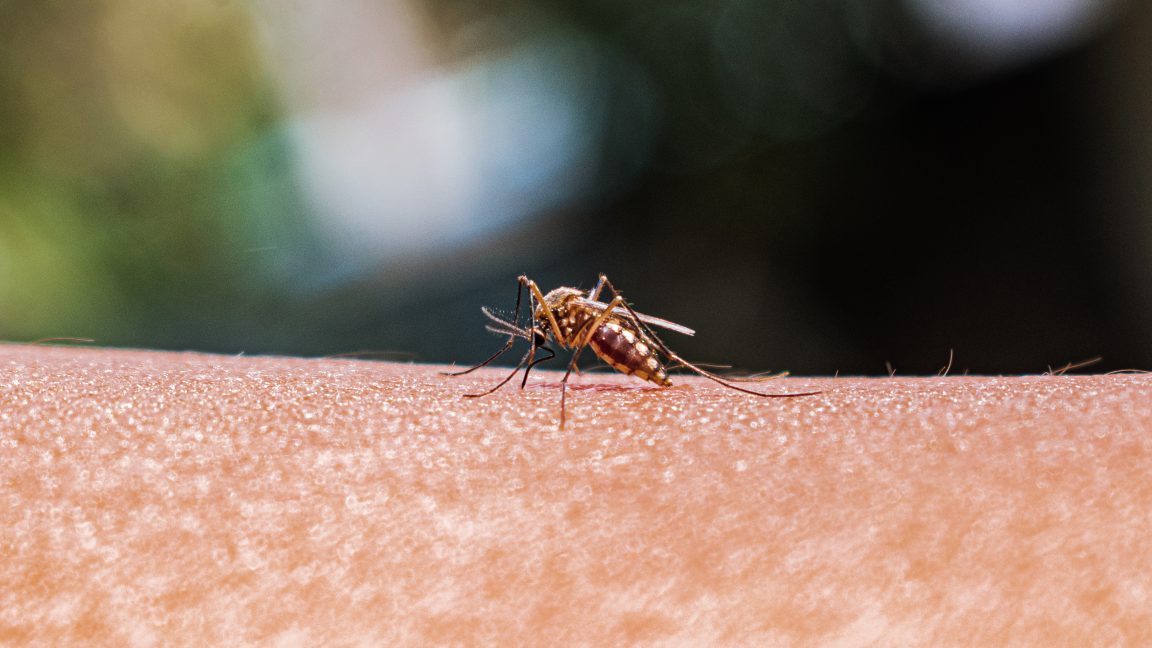
Historically, the northeastern United States, including states like Connecticut and Massachusetts, experienced harsh winters that acted as natural ecological barriers against tropical disease vectors. These freezing temperatures prevented invasive mosquito species from establishing permanent populations. However, over the past few decades, rising average temperatures and shifting precipitation patterns have dismantled these barriers. Today, Connecticut's statewide monitoring program has identified 54 different mosquito species. Among these is the highly invasive Asian tiger mosquito (Aedes albopictus), a vector capable of transmitting debilitating diseases such as dengue fever, Zika virus, and chikungunya.
| Feature | Historical Scenario (Temperate Zones) | Current/Future Scenario (Climate Shift) |
|---|---|---|
| Climate & Weather | Cold winters, moderate summers | Warmer winters, hot and humid summers |
| Dominant Species | Native, less harmful species | Invasive tropical species (Asian tiger mosquito) |
| Disease Risk | Minimal to non-existent | High risk of Dengue, Zika, and West Nile Virus |
| Surveillance Need | Basic and seasonal | Intensive, continuous, and highly funded |
Why This Matters
BozokMedia analysis shows that the expansion of mosquito ranges is not merely an ecological curiosity; it is a ticking public health time bomb. Public health infrastructure in historically temperate zones is largely unprepared for endemic tropical diseases. Without aggressive, well-funded surveillance programs, local healthcare systems could easily be overwhelmed by sudden, localized outbreaks of diseases like dengue, which they have rarely had to treat in the past.
Furthermore, the economic ramifications are profound. The cost of reactive healthcare, emergency vector control, and lost productivity during an outbreak far exceeds the cost of preventative monitoring. For ordinary citizens, this shift means that basic outdoor activities will require heightened vigilance, and local municipalities will need to allocate significant tax dollars to pest management and public health communication to keep communities safe.
"Climate change is not just rewriting weather patterns; it is redrawing the global map of infectious diseases, turning temperate zones into the new frontlines of tropical medicine."
Frequently Asked Questions
Q1: How does climate change accelerate the spread of invasive mosquitoes?
A1: Warmer temperatures accelerate the mosquito life cycle, allow them to breed faster, and extend their active season, while milder winters prevent the freezing temperatures that historically kept their populations in check.
Q2: Why is mosquito monitoring considered the most effective prevention tool?
A2: Monitoring allows scientists to trap mosquitoes, identify species, and test them for viruses before they infect humans, giving public health officials the early warning needed to launch targeted control measures.