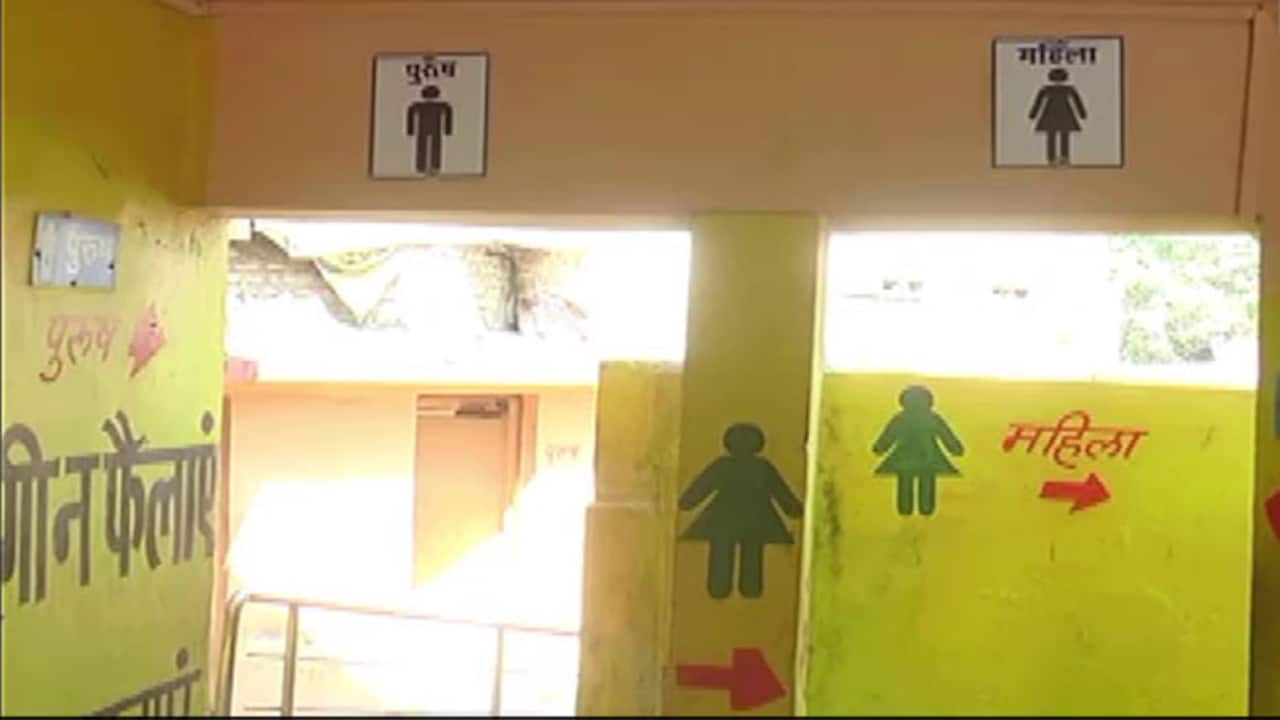
An audit of 142 public toilets in Bengaluru revealed that 26% are non‑functional and poorly maintained. The city needs at least 1,000 additional modern toilets to meet the demands of its growing population.
Key Takeaways
- 26% of 142 audited public toilets are non‑functional
- Overall hygiene standards are sub‑par
- At least 1,000 new modern toilets required to meet demand
The Bengaluru Municipal Corporation’s recent audit uncovered a grim picture: out of 142 public toilets surveyed, roughly one‑quarter (26%) are completely out of service, while the remaining facilities suffer from severe hygiene deficiencies. This not only undermines the city’s cleanliness image but also raises serious public‑health concerns.
According to the report, Bengaluru currently hosts about 2,700 public toilets, yet the estimated need exceeds 3,700. High‑traffic zones such as commercial districts, college campuses, and transport hubs are especially affected, with overcrowding and inadequate maintenance becoming the norm.
Historical Background
Since the 1990s, Bengaluru earned the moniker “India’s Silicon Valley,” prompting rapid population growth and sprawling urbanization. Early‑2000s municipal initiatives introduced numerous public toilets, but accelerated development, budget constraints, and neglect in upkeep quickly rendered many facilities unusable. Over the past two decades, several “Clean Bengaluru” campaigns have been launched, yet none have delivered a lasting, city‑wide solution.
Why This Matters
BozokMedia analysis shows that deteriorating public toilet conditions directly affect community health—contaminated environments facilitate the spread of water‑borne diseases, especially among children and the elderly. Moreover, the city’s reputation among global investors and tourists suffers, potentially hampering economic growth.
Beyond health, the shortage and poor state of toilets exacerbate social inequality. Low‑income residents, who lack private bathroom facilities, are forced to rely on these unsafe public amenities, deepening the gap in quality of life.
"The availability of safe, clean public toilets is the litmus test for any successful urban health policy," says urban sanitation expert Dr. Ravi Singh.
Comparison Table
| Metric | Current | Required |
|---|---|---|
| Total Public Toilets | ≈ 2,700 | ≈ 3,700+ |
| Functional Toilets | ≈ 1,050 (74%) | ≥ 3,000 |
| Non‑Functional Toilets | ≈ 650 (26%) | 0 |
Frequently Asked Questions
Q1: What health risks are associated with the shortage of public toilets in Bengaluru?
A: Unsanitary facilities increase the spread of water‑borne illnesses like cholera and typhoid, particularly affecting children and the elderly.
Q2: What steps is the municipal corporation taking to address the deficit?
A: The corporation is adopting a public‑private partnership (PPP) model to construct 1,000 modern toilets by 2025, featuring automated cleaning and water‑recycling technology.