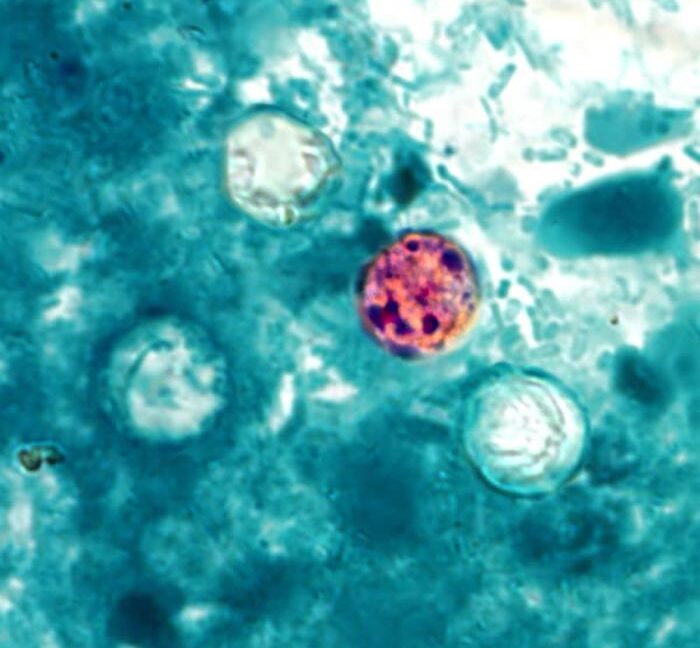
U.S. health agencies have identified a surge in diarrhea cases linked to an unfamiliar parasite. Immediate investigations and preventive measures are underway to curb its spread.
Key Takeaways
- New parasite‑linked diarrheal outbreak detected across multiple states
- CDC and local health departments launch urgent investigations
- Emphasis on water safety and food hygiene to prevent infection
Current Situation
The Centers for Disease Control and Prevention (CDC) reported a sharp increase in diarrheal illnesses traced to an unknown parasite. Early lab work suggests transmission through contaminated water or improperly handled food.
Historical Background
Similar parasitic diarrheal outbreaks, such as the 2018 Cryptosporidium incidents, caused significant public‑health strain. Those events highlighted the need for stricter water quality standards and food‑safety protocols.
Response Measures
State health agencies are accelerating water testing, urging residents to consume bottled or boiled water, and mandating enhanced sanitation procedures for food service establishments.
Why This Matters
BozokMedia analysis shows that a sudden rise in parasitic diarrheal diseases can strain emergency services and disrupt supply chains, making early detection crucial for national health security.
"The rapid spread of a parasite‑driven diarrheal disease signals a critical gap in our public‑health defenses," said Dr. Maya Patel, epidemiologist.
Frequently Asked Questions
Question 1: What steps can individuals take to protect themselves?
Answer: Drink filtered or boiled water, fully cook food, practice regular hand‑washing, and avoid consuming raw produce from uncertain sources.
Question 2: Could travelers be at risk?
Answer: Yes, travelers drinking untreated water or eating uncooked foods in affected areas face heightened risk.