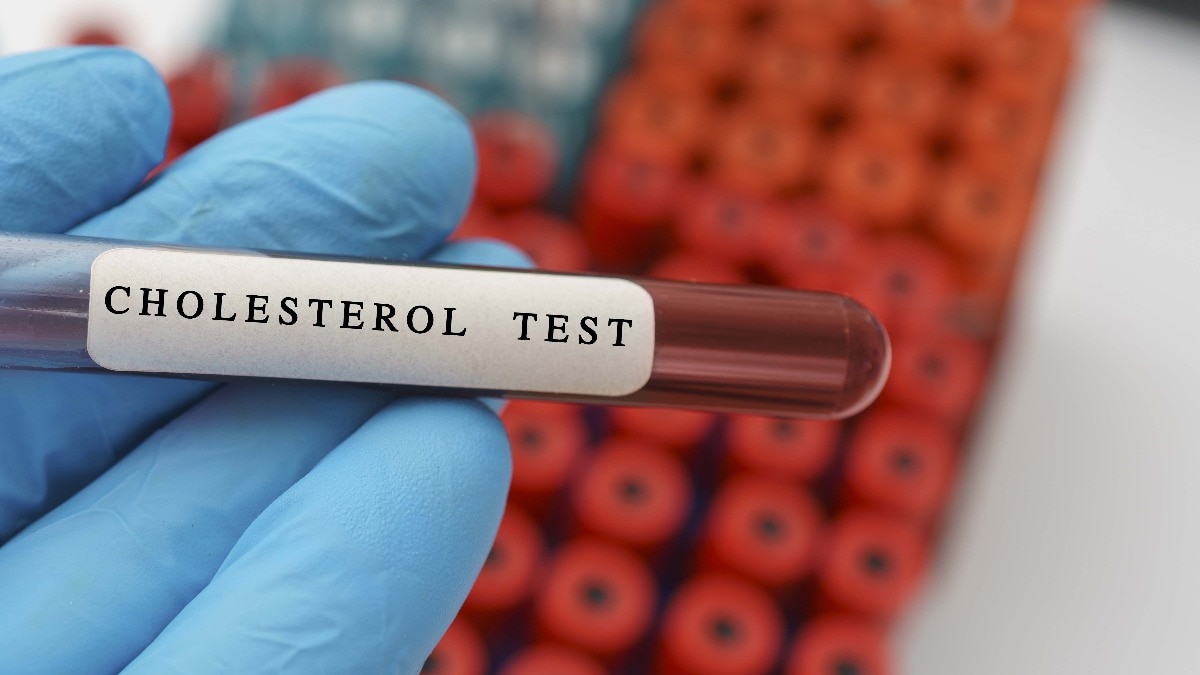
Scientists at the Institute of Advanced Virology are conducting a massive study on 2,000 patients to identify biomarkers that predict life-threatening dengue complications. This could revolutionize bedside clinical decision-making.
Key Takeaways
- Researchers are identifying critical biomarkers to predict dengue severity and complications.
- A pilot study demonstrated nearly 100% accuracy in predicting severe cases using a computer model.
- A large-scale prospective study involving 2,000 patients is currently underway.
- The goal is to develop an affordable, point-of-care diagnostic assay.
Thiruvananthapuram: Dengue remains a formidable tropical disease primarily because of its unpredictable nature. A patient who appears to be recovering can suddenly deteriorate into hemorrhagic shock. Clinicians often struggle to identify which patients are at risk of sudden complications before warning signs like abdominal pain or mucosal bleeding emerge.
To address this, researchers at the Institute of Advanced Virology (IAV) have launched a large-scale prospective study involving 2,000 dengue patients. This study aims to pinpoint specific biomarkers—measurable biological indicators—that can signal the onset of severe disease during the early febrile phase. The IAV has signed MoUs with three major medical colleges in Kerala: Believers’ Church, Pushpagiri, and Government Medical College, Thiruvananthapuram.
Why This Matters
BozokMedia analysis shows that in hyperendemic regions like Kerala, hospitals face immense pressure during seasonal outbreaks. Currently, it is difficult to decide which patients require inpatient monitoring and which can be managed at home. An affordable, bedside prognostic assay would allow health systems to optimize resources by prioritizing high-risk patients for hospitalization.
"What we need is a clinically usable, affordable prognostic assay that can be used by clinicians on the bedside so that they can easily identify patients who need to be kept in the hospital." - Dr. Agiesh Kumar B.
The pilot study, conducted on 150 patients, revealed that while biomarkers appeared similar across all cases during admission, they spiked significantly during the 'fever-break' stage in patients who later developed severe dengue. By combining these protein markers with clinical signals, a computational model achieved near 100% accuracy in predicting disease progression. The researchers are now collaborating with the National University of Singapore to refine this predictive model.
Historical Background
Traditionally, dengue management has relied on monitoring clinical 'red flags' such as persistent vomiting and lethargy. However, these symptoms often manifest only after the pathological damage—such as plasma leakage due to endothelial cell dysfunction—has already begun. Modern research is shifting toward proactive molecular detection.
Frequently Asked Questions
1. What are biomarkers in the context of dengue?
Biomarkers are specific proteins or biological indicators in the blood that change in response to the virus, helping doctors predict how severe the infection will become.
2. How will this study help patients?
By identifying high-risk patients early, doctors can provide intensive care immediately, potentially preventing death from complications like hemorrhagic shock.