Bengaluru deep‑tech startup DogSense is developing BreathEasy, a canine‑assisted breath test that could identify blood‑cancer risk before conventional diagnostics. The platform aims for a 2027 Indian launch, pending extensive clinical validation and scalable logistics.
Key Takeaways
- BreathEasy couples trained dogs’ scent detection with a brain‑computer interface.
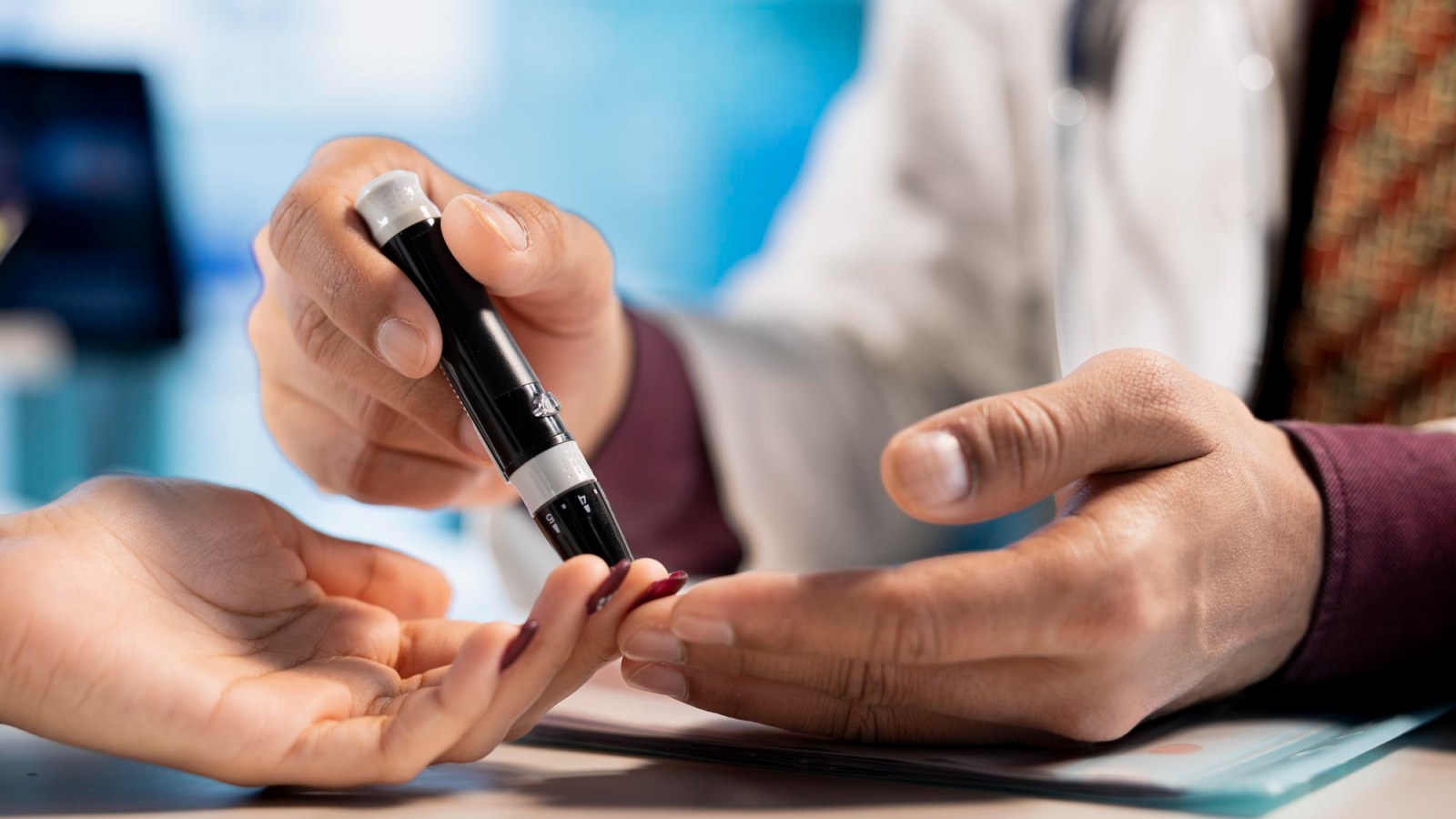
- The test requires a 10‑minute breath sample, eliminating the need for blood draws or imaging.
- Commercial rollout targeted for early 2027, contingent on large‑scale clinical validation.
DogSense’s Innovative Approach
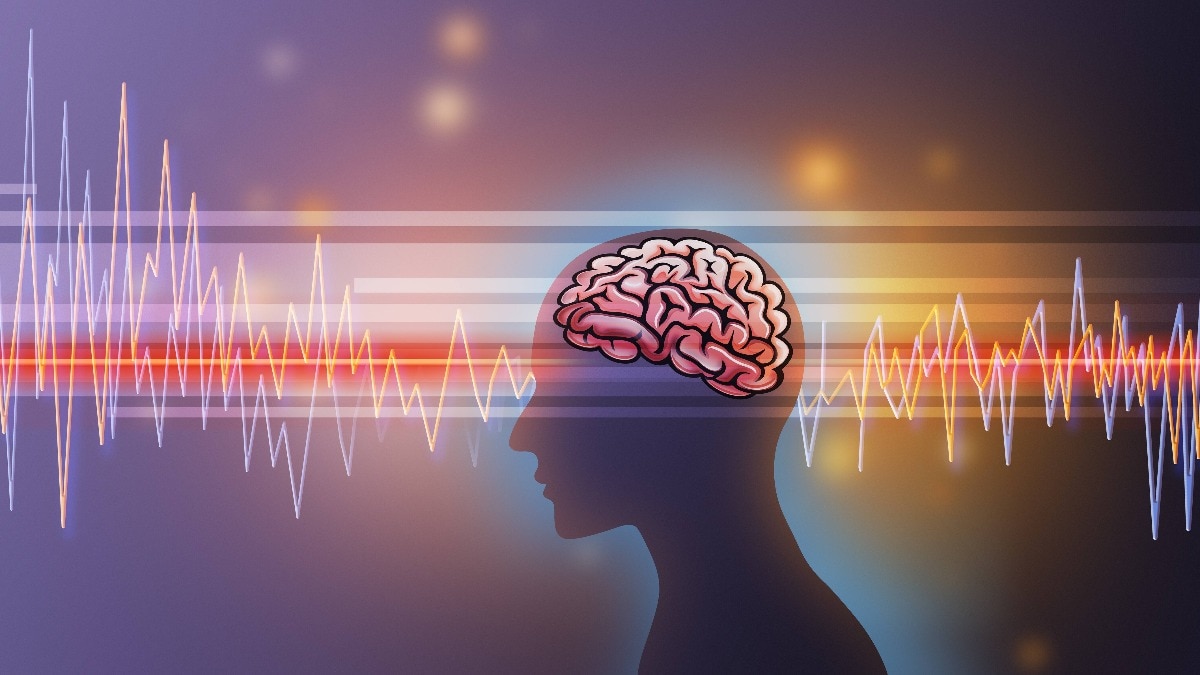
Based in Bengaluru, DogSense is building BreathEasy, a non‑invasive screening platform that uses beagles and other breeds renowned for olfactory acuity. A proprietary brain‑computer interface (BCI) captures the dogs’ neural responses while they sniff volatile organic compounds (VOCs) emitted in a person’s breath.
Clinical Evidence and Ongoing Studies
In a recent study published in the Journal of Clinical Oncology, the system produced a 9% false‑positive rate and missed 9% of actual cancer cases. The trial deliberately enrolled a high proportion of cancer patients (≈25%) to stress‑test the technology, so real‑world performance in the general population may differ. Larger, multi‑center trials are now underway to refine sensitivity, specificity, and predictive values.
Why This Matters
BozokMedia analysis shows India records nearly 1.5 million new cancer cases annually, straining diagnostic capacity and public health budgets. If BreathEasy proves reliable, it could serve as a first‑line triage tool, narrowing the pool for expensive confirmatory tests and potentially lowering overall screening costs.
"Integrating canine olfaction with AI‑driven BCI could be a game‑changer in early disease detection," notes an oncology researcher.
Frequently Asked Questions
Q1: Does BreathEasy diagnose cancer?
A1: No. It functions as a risk‑stratification screen, prompting further diagnostic testing for flagged individuals.
Q2: Where will the test be available?
A2: The plan is to roll it out across hospitals, diagnostic labs, and large workplaces once commercial production scales.