A recent BMJ study has identified a slight increase in non-scarring hair loss among users of GLP-1 drugs like Ozempic. Experts warn that while the risk is real, it remains statistically low.
Key Takeaways
- GLP-1 receptor agonists are linked to a higher risk of non-scarring hair loss.
- The absolute risk is low, estimated at 3 to 9 cases per 1,000 people annually.
- Hair loss is often a result of rapid weight loss (Telogen Effluvium) rather than the drug itself.
- Nutritional deficiencies (Protein, Iron, Zinc) are major contributing factors.
While drugs like Ozempic, Wegovy, and Mounjaro have become sensationally popular for dramatic weight loss, a new study published in The BMJ highlights an unexpected cosmetic side effect: increased hair thinning.
Detailed Study Findings
The research analyzed electronic health records of adults with type 2 diabetes. The data revealed that users of GLP-1 based drugs faced a 37% higher risk of non-scarring hair loss compared to those on SGLT-2 inhibitors, and a 68% higher risk compared to those using DPP-4 inhibitors.
Why This Matters
BozokMedia analysis shows that as the global demand for metabolic health medications surges, understanding these secondary effects becomes crucial. While the absolute risk remains relatively small—approximately 3 to 9 cases per 1,000 people per year—the psychological impact of hair thinning on patients cannot be overlooked.
The phenomenon is likely driven by the physiological stress of rapid weight reduction rather than direct drug toxicity.
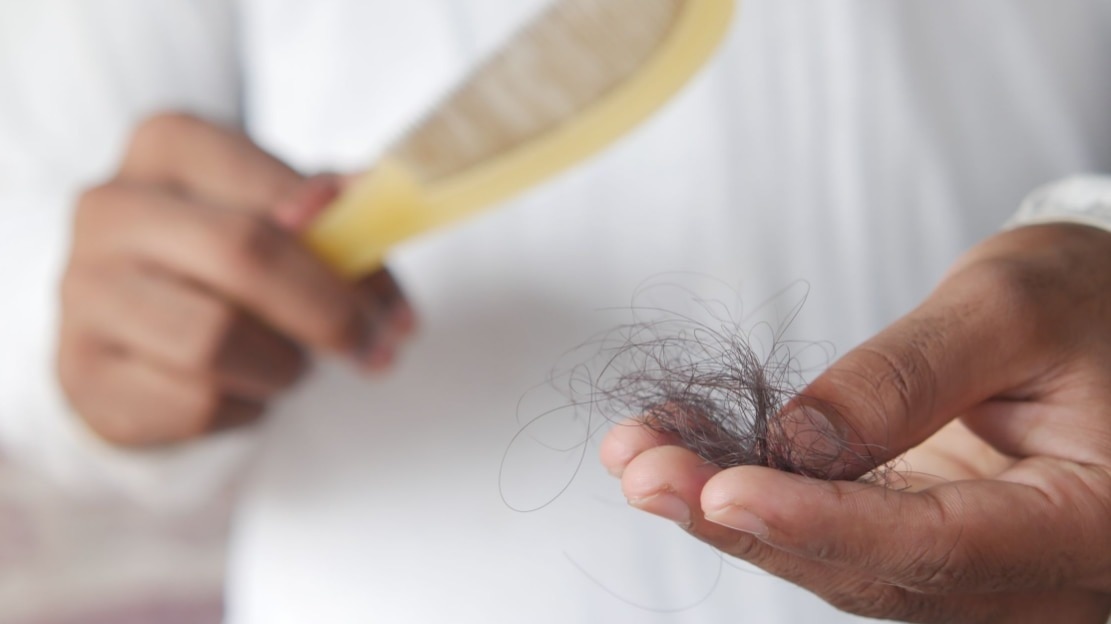
Medical professionals, including dermatologist Dr. Aparna Santhanam, suggest that the hair loss is often a case of Telogen Effluvium. This occurs when the body undergoes significant physical stress, such as extreme calorie restriction or rapid weight loss, pushing hair follicles into a shedding phase.
Risk Comparison Table
| Comparison Group | Increased Risk of Hair Loss |
|---|---|
| vs. SGLT-2 Inhibitors | 37% Higher |
| vs. DPP-4 Inhibitors | 68% Higher |
Dr. Mayank Singh, a renowned hair transplant surgeon, emphasized that nutritional deficiencies in protein, iron, and zinc are common triggers during rapid weight loss phases. He advises patients to maintain a nutrient-dense diet to mitigate these risks.
Frequently Asked Questions
1. Should I stop my GLP-1 medication due to hair loss concerns?
No. You should never discontinue medication without consulting your healthcare provider, as the metabolic benefits often outweigh the cosmetic risks.
2. How can I prevent hair thinning while on these drugs?
Focus on a high-protein diet and ensure adequate intake of essential micronutrients like Zinc, Iron, and Vitamin D.