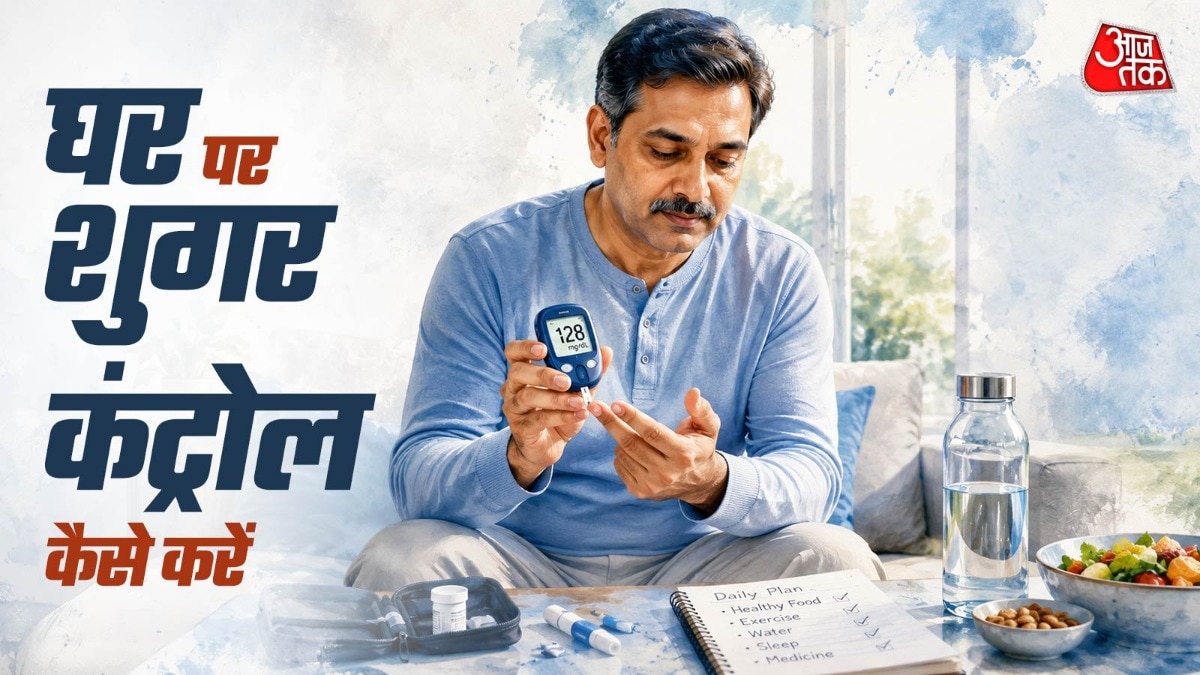
Sudden spikes in blood sugar can be life-threatening. Learn the professional medical protocol for managing hyperglycemia at home and knowing exactly when to rush to the hospital.
Key Takeaways
- Hyperglycemia is defined as blood sugar levels consistently above 240-300 mg/dL.
- Common symptoms include extreme thirst, frequent urination, and blurred vision.
- Hydration and light walking can help in mild spikes.
- Levels exceeding 300 mg/dL require immediate hospital intervention.
For diabetic patients, a sudden surge in blood glucose levels is a medical emergency that requires prompt action. According to medical experts, when blood sugar levels rise above 240-300 mg/dL, the condition is termed Hyperglycemia, which can lead to severe complications if left untreated.
Recognizing the Warning Signs
Dr. Chinyam Gupta of Apollo Hospital explains that patients should watch out for symptoms such as excessive thirst, frequent urination, unexplained fatigue, and blurred vision. If these symptoms manifest, it is crucial to re-verify the reading. Ensure your hands are clean and completely dry before testing to prevent inaccurate meter readings caused by residue.
Why This Matters
BozokMedia analysis shows that many diabetic complications arise not from the disease itself, but from a lack of immediate response to sudden glycemic spikes. Understanding the threshold between 'manageable' and 'critical' is life-saving.
If blood sugar levels cross the 300 mg/dL threshold, home management is no longer safe; seek professional medical help immediately.
Immediate Steps for Home Management
If the levels are within a manageable emergency range, doctors recommend taking the prescribed correction insulin. Additionally, staying well-hydrated by drinking plenty of water and engaging in a 10-15 minute light walk (only if you are not feeling dizzy) can assist in stabilizing levels.
| Condition | Recommended Action | Precaution |
|---|---|---|
| Sugar 240-300 mg/dL | Correction Insulin & Hydration | Perform light walking only |
| Sugar > 300 mg/dL | Emergency Hospital Visit | Do not attempt home remedies |
Frequently Asked Questions
Question 1: Can I exercise to lower high sugar?
Light walking can help, but if you feel dizzy, weak, or nauseous, stop immediately as intense exercise can sometimes worsen the situation.
Question 2: When is it a true emergency?
If your sugar levels exceed 300 mg/dL or if you experience confusion and vomiting, it is a critical emergency.