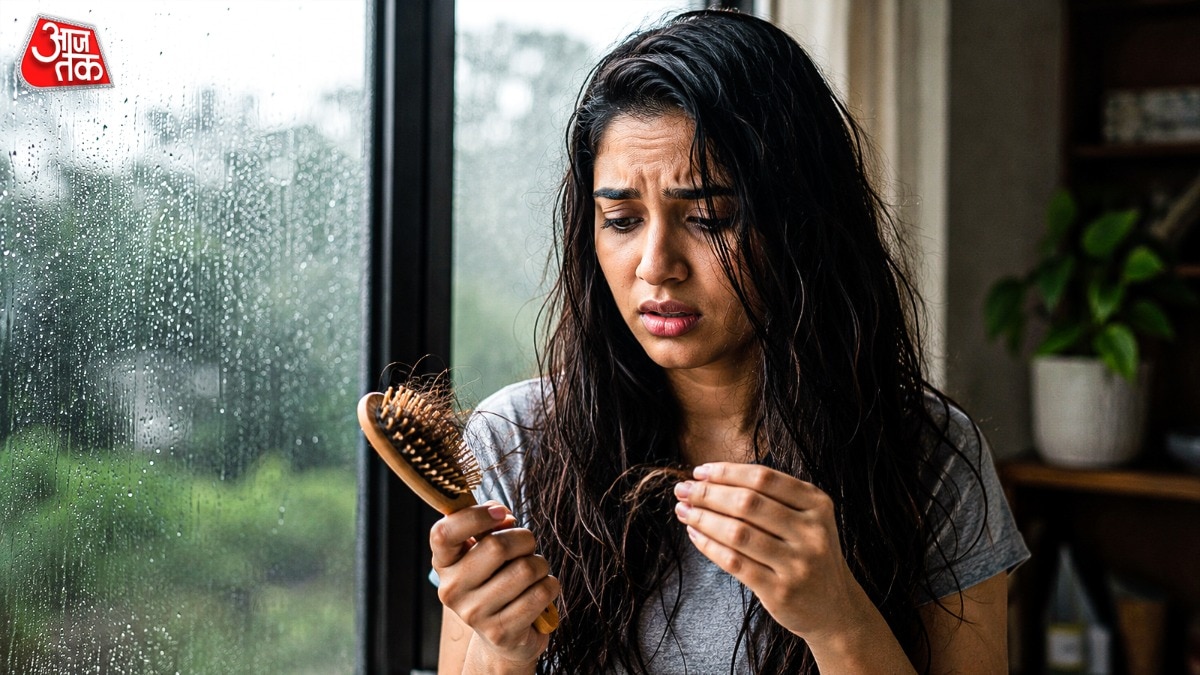
Increased humidity and sweat during the monsoon can lead to significant hair loss. Learn from dermatologists when to worry and how to protect your hair.
Key Takeaways
- High humidity and sweat during monsoon can clog scalp pores.
- Losing 10-20 strands a day is normal; more than that requires attention.
- Nutritional deficiencies (Biotin, Iron, B12) significantly impact hair health.
- Immediate hygiene after getting wet in rain is crucial.
The monsoon season brings relief from the heat, but it also brings unforeseen challenges for hair health. Dermatology departments in hospitals are reporting a surge in patients complaining of excessive hair fall. The primary culprit is the increased humidity, which leads to excessive sweating. When sweat accumulates on the scalp, it can clog the hair follicles, making the roots weak and prone to falling out.
The Science Behind Monsoon Hair Loss
According to medical experts, the environmental changes during the rainy season play a major role. Dr. Manish Jangra, a former dermatologist at Dr. Ram Manohar Lohia Hospital, explains that besides sweat, exposure to rainwater can also be detrimental. If hair remains wet for long periods after being caught in the rain, the water's composition can weaken the hair shaft. Furthermore, nutritional gaps—specifically deficiencies in Biotin, Protein, Iron, and Vitamin B12—can exacerbate the situation.
Why This Matters
BozokMedia analysis shows that many individuals mistake seasonal shedding for permanent hair loss or, conversely, ignore early warning signs of underlying medical conditions like thyroid issues or hormonal imbalances. Early intervention is the key to preventing patchy hair loss or thinning.
Losing 10 to 20 hairs daily is considered normal, but hair falling out in clumps during combing is a red flag.
Normal Shedding vs. Medical Concern
It is vital to distinguish between seasonal changes and a clinical condition. Use the table below to evaluate your situation:
| Symptom | Normal Shedding | Medical Concern |
|---|---|---|
| Quantity | 10-20 strands per day | Clumps or excessive amounts |
| Scalp Condition | Healthy/Normal | Itching or redness |
| Hair Texture | Maintains strength | Sudden thinning or patches |
Expert Tips for Monsoon Hair Care
To maintain healthy hair during the rainy season, follow these dermatological recommendations:
- Wash your hair immediately with clean water after getting drenched in rain.
- Use a mild, pH-balanced shampoo 2-3 times a week.
- Incorporate protein-rich and vitamin-rich foods into your diet.
- Manage stress levels, as psychological tension is a known trigger for hair fall.
Frequently Asked Questions
1. Does rainwater actually cause hair fall?
Yes, prolonged exposure to rainwater can lead to fungal infections and weaken the hair structure due to impurities.
2. When should I see a dermatologist?
If you notice hair falling in patches, extreme scalp itching, or if the hair fall is significantly higher than your usual baseline.


