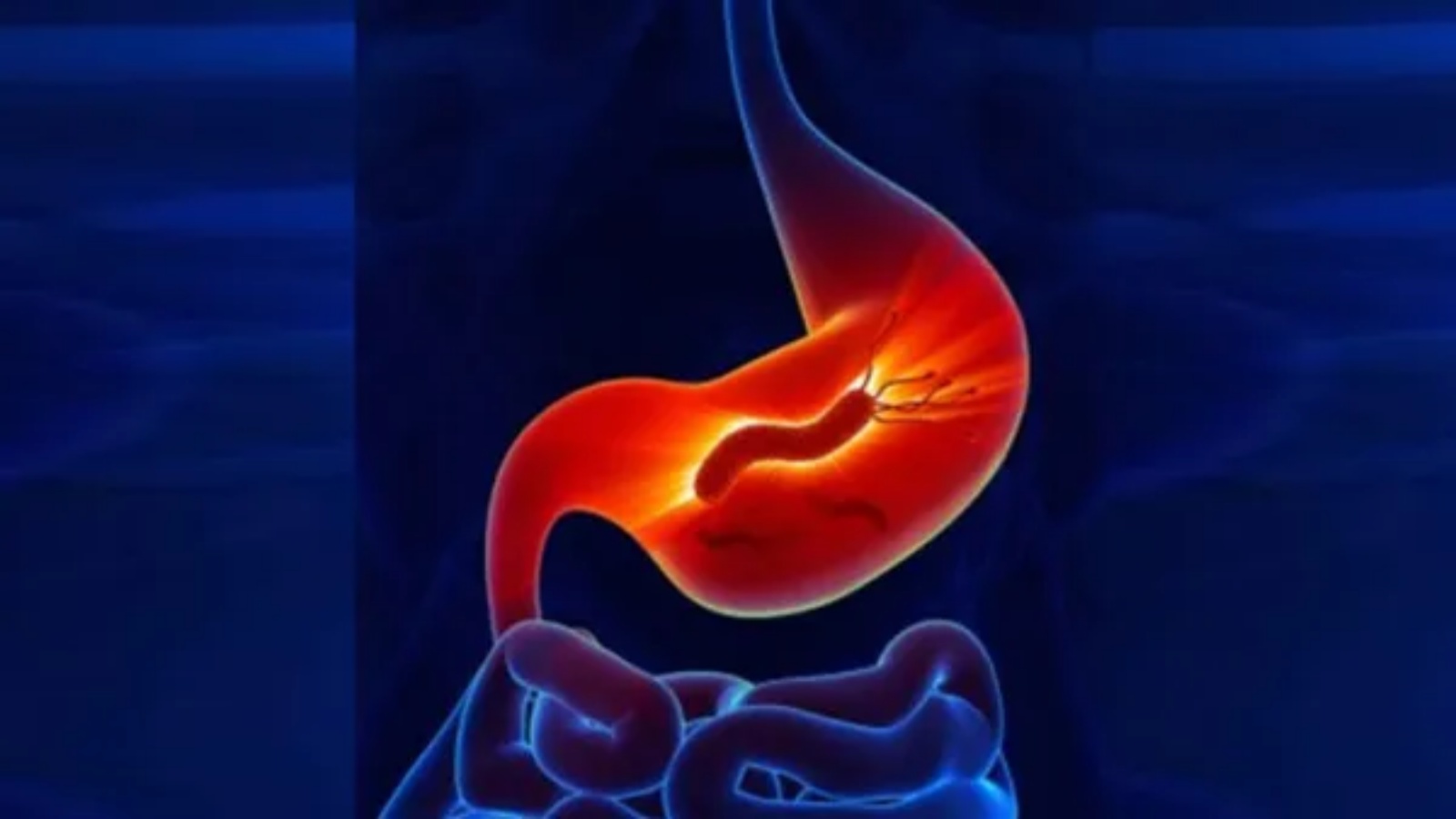
Medical experts in Mumbai have documented rare cases of Krukenberg tumours, where stomach cancer spreads to the ovaries, mimicking ovarian cancer and delaying critical treatment.
Key Takeaways
- Krukenberg tumours are a rare form of metastatic cancer where stomach cancer spreads to the ovaries.
- Symptoms like abdominal pain and weight loss are non-specific and can lead to misdiagnosis.
- Treatment must target the primary site (stomach) rather than just the secondary site (ovaries).
In a significant clinical finding, doctors at Mumbai’s Government Medical College and Cama and Albless Hospital have reported two cases of women suffering from rare stomach cancer that presented as ovarian tumours. The patients, aged 25 and 37, initially showed symptoms typically associated with ovarian cancer, such as abdominal pain and irregular periods, only for subsequent tests to reveal a much more complex reality.
Understanding Krukenberg Tumours
The condition identified is known as Krukenberg tumours. This is an aggressive form of metastatic cancer where malignant cells travel from a primary organ—most commonly the stomach—to the ovaries. While these tumours account for only 1-2% of all ovarian masses, they pose a significant diagnostic challenge because they effectively 'masquerade' as primary ovarian cancer.
Why This Matters
BozokMedia analysis shows that the distinction between primary ovarian cancer and metastatic Krukenberg tumours is life-critical. The medical management strategy shifts entirely based on the origin of the cancer. Treating the ovaries while ignoring an underlying gastric malignancy can result in rapid disease progression and poor patient outcomes.
"Clinicians must consider whether an ovarian mass could represent metastatic disease from the gastrointestinal tract, especially if accompanied by weight loss or appetite changes."
Symptoms to Watch For
Because the symptoms overlap with common gynecological and gastrointestinal issues, early detection is difficult. Key warning signs include:
- Persistent abdominal pain or bloating
- Unexplained and rapid weight loss
- Loss of appetite (early satiety)
- Changes in bowel habits or menstrual irregularities
Diagnosis and Clinical Approach
While imaging tools like CT scans can identify masses, they often cannot pinpoint the origin. Doctors rely on endoscopy, tissue biopsies, and specialized pathology to confirm if the cancer started in the stomach, colon, or breast. Once confirmed, treatment usually focuses on the primary gastrointestinal cancer through chemotherapy or targeted immunotherapy.
Frequently Asked Questions
1. How is a Krukenberg tumour different from ovarian cancer?
Ovarian cancer originates in the ovaries, whereas a Krukenberg tumour is cancer that has spread to the ovaries from another organ, usually the stomach.
2. Can these tumours be cured?
Treatment depends on the primary cancer type and stage, but management focuses on treating the original site of the malignancy.