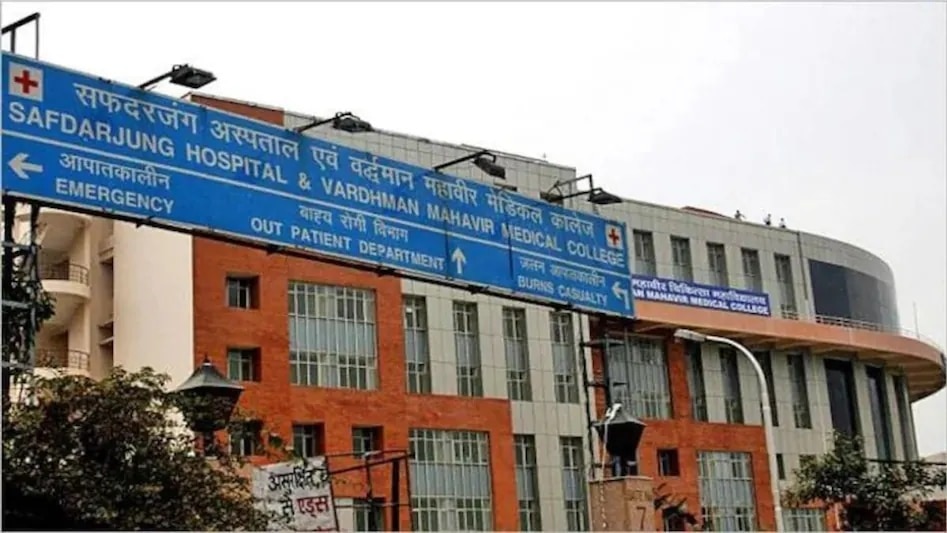
As foreign aid dwindles and national debts soar, the survival of public health systems depends on smarter allocation rather than just increased funding.
Key Takeaways
- Global health aid (DAH) is facing a massive decline following post-pandemic shifts.
- Rising public debt in developing nations is cannibalizing health budgets.
- Success depends on budget execution, prioritizing preventive care, and improving governance.
The global discourse on building resilient public health systems is shifting from a simple demand for more money to a complex demand for better management. According to the World Bank, per capita public spending on universal health coverage in low- and middle-income countries (LMICs) remains significantly below essential benchmarks. While the gap in health expenditure as a percentage of GDP has narrowed, the per capita gap has actually expanded more than threefold.
The Crisis in Health Aid
For decades, 'Development Assistance for Health' (DAH) served as a vital lifeline for LMICs. However, this trend has reversed sharply. In a major blow to global health, the United States announced a staggering 67% cut to its foreign assistance program. The United Kingdom, France, and Germany have also implemented significant reductions. The OECD warns that health funding could plummet by up to 60% compared to its 2022 peak.
With public sources drying up, the way forward is to spend available money better.
Why This Matters: BozokMedia Analysis
BozokMedia analysis shows that the crisis is compounded by a massive debt trap. Global public debt hit a record $102 trillion in 2024, with developing countries bearing a disproportionate burden. As these nations spend record amounts on interest payments, the fiscal space for health infrastructure continues to shrink, creating a systemic vulnerability.
Three Pillars of Reform
To maximize impact, health spending must undergo a structural shift. First, budget execution must improve; in many regions, including India, significant portions of allocated health funds remain unspent. Second, the focus must shift from curative care at tertiary levels to preventive, primary healthcare. Currently, India spends less than one-fourth of its public health budget on preventive measures.
| Spending Category | Current Trend | Strategic Priority |
|---|---|---|
| Curative Care | High (Secondary/Tertiary) | Moderate |
| Preventive Care | Low (e.g., <25% in India) | High |
| Public Goods (Sanitation/Vaccines) | Inconsistent | Critical |
Frequently Asked Questions
1. Why is foreign aid for health decreasing?
Post-pandemic shifts in domestic priorities in wealthy nations and rising debt have led to significant cuts in international assistance.
2. What is the difference between curative and preventive care?
Curative care treats existing illnesses, while preventive care focuses on avoiding diseases through vaccination, sanitation, and early detection.