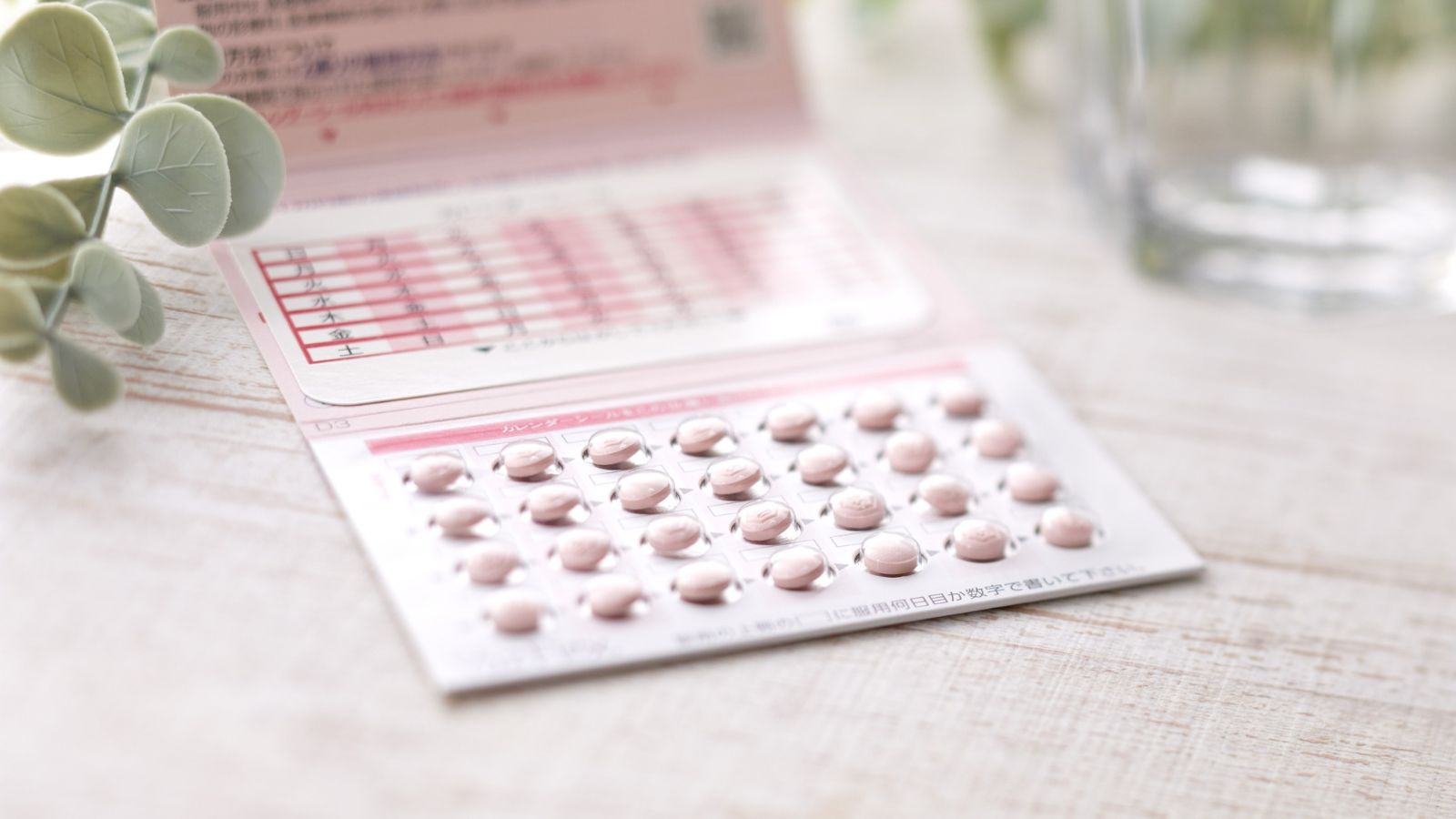
Discover how hormonal contraceptives influence insulin sensitivity and glucose regulation. Learn what women with PCOS or diabetes need to monitor when stopping birth control pills.
Key Takeaways
- Hormonal contraceptives can influence liver glucose output and muscle glucose uptake.
- Stopping the pill may temporarily impact insulin sensitivity for 6-12 weeks.
- Women with PCOS or prediabetes may experience more pronounced metabolic shifts.
- Increased appetite post-pill is often linked to rising ghrelin levels.
Hormonal contraceptive pills are widely used for more than just pregnancy prevention; they are essential tools for managing PCOS, endometriosis, and irregular menstrual cycles. However, because these medications fundamentally alter hormone levels, discontinuing them can trigger metabolic shifts that many women are unprepared for, particularly regarding blood sugar regulation.
The Complex Link Between Hormones and Glucose
The relationship between reproductive hormones like estrogen and progesterone and blood sugar is intricate. These hormones play a significant role in insulin sensitivity, appetite control, and energy metabolism. When a woman stops taking oral contraceptives, her body loses the hormonal 'buffer' provided by the medication, leading to a period of metabolic transition.
Why This Matters
BozokMedia analysis shows that for many women, especially those managing PCOS, birth control pills may have been masking underlying insulin resistance. Once the medication is removed, this underlying metabolic condition often becomes visible, manifesting as changes in blood glucose levels or weight management issues.
"Oral contraceptives very quietly influence insulin sensitivity through estrogen and progestin’s effect on liver glucose output and muscle glucose uptake." — Kanikka Malhotra, Consultant Dietician.
Who Should Monitor Their Levels Closely?
While most healthy women will see their natural cycles re-establish within 6 to 12 weeks, certain high-risk groups should be extra vigilant:
- Women diagnosed with PCOS.
- Individuals with a family history of Diabetes.
- Women who experienced weight gain while on the pill.
- Women over the age of 35.
It is crucial to distinguish between normal hormonal adjustments and genuine metabolic malfunctions. Symptoms such as unexplained weight changes, excessive thirst, or prolonged fatigue should be evaluated by a medical professional.
Frequently Asked Questions
1. How long does it take for blood sugar to stabilize after stopping the pill?
For most women, it takes about 6 to 12 weeks for natural hormonal cycles to re-establish.
2. Should I track my blood sugar if I don't have diabetes?
If you have PCOS or a family history of diabetes, tracking fasting blood glucose during the transition period is highly recommended.
