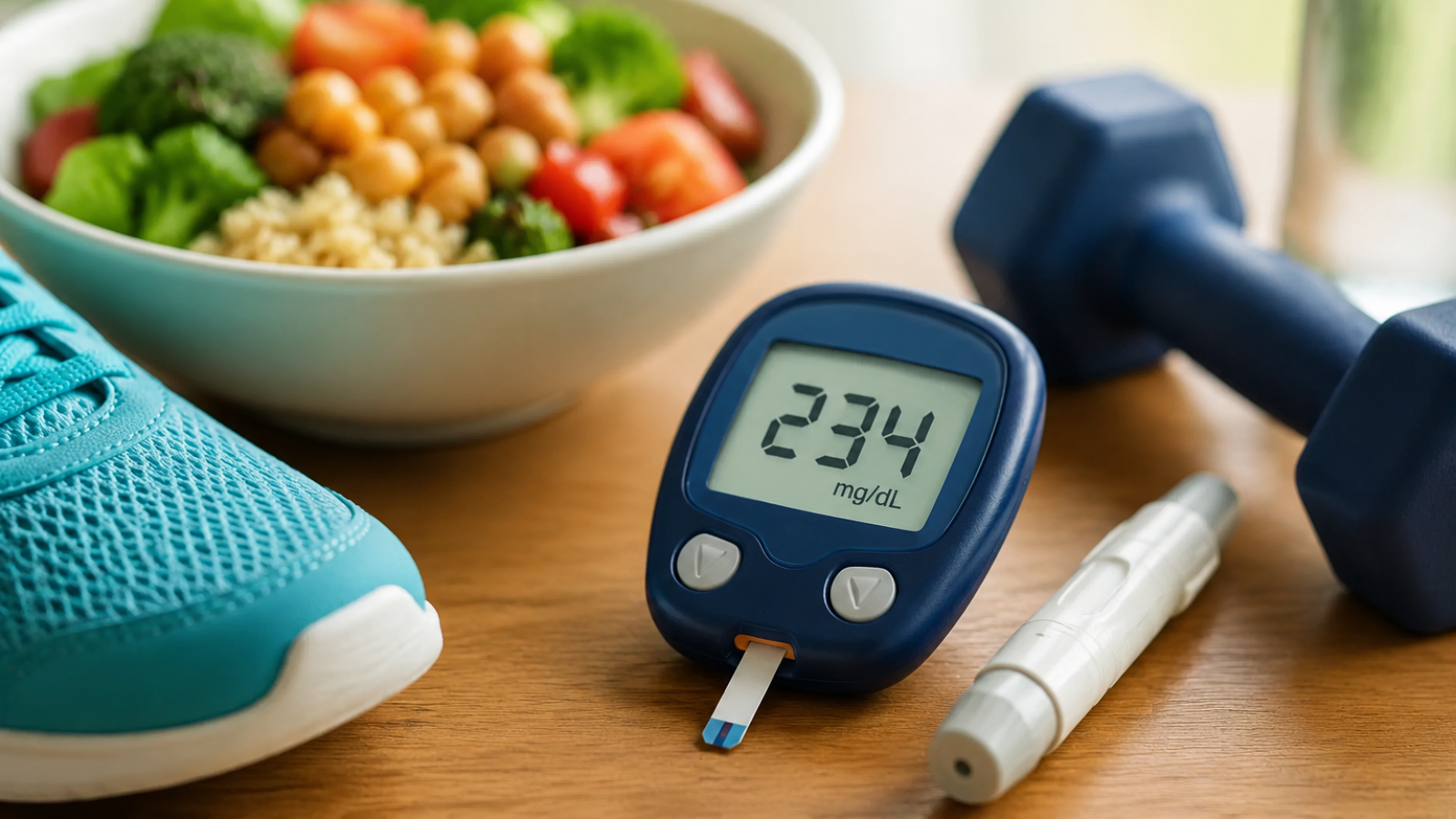
A 2‑hour post‑meal glucose reading of 234 mg/dL is a red flag. Experts explain why walking alone may not suffice and outline the essential tests and lifestyle tweaks. Prompt medical evaluation can prevent long‑term complications.
Key Takeaways
- A 2‑hour post‑meal glucose of 234 mg/dL is concerning.
- One reading cannot diagnose diabetes on its own.
- HbA1c and a full metabolic panel are crucial for assessment.
Why a Single Reading Matters
Dr. Rajiv Kovil, Diabetes & Obesity Specialist at Zandra Healthcare, notes that most people aim for <140 mg/dL two hours after a meal, while diabetic guidelines target <180 mg/dL. A value of 234 mg/dL alone isn’t a definitive diagnosis, but it signals the need for immediate medical evaluation.
Is Walking Enough?
While a 30‑minute walk after meals is beneficial, a persistently high glucose suggests exercise alone may not control the spike. Dr. Kovil recommends an HbA1c test and possibly repeat post‑meal measurements before deciding on medication.
"Relying on a single finger‑prick reading is risky; continuous monitoring and comprehensive metabolic profiling give the true picture."
Why This Matters
BozokMedia analysis shows that uncontrolled post‑meal spikes increase cardiovascular risk and long‑term organ damage. Early detection and tailored interventions can curb the rising burden of diabetes‑related complications in India.
Recommended Tests
Dr. Kovil advises patients to undergo: HbA1c, fasting blood glucose, repeat post‑meal glucose, kidney and liver function tests, lipid profile, urine analysis, and blood pressure assessment. This holistic approach uncovers hidden issues beyond a solitary glucose number.
Lifestyle Adjustments
Beyond walking, the expert suggests a high‑protein, high‑fiber diet, limiting refined carbs and sugary drinks, and adopting a “vegetables‑protein‑first” approach before rice or roti. Adequate sleep, stress management, and strength training 2‑3 times weekly are also essential.
Frequently Asked Questions
Q1: Can regular walking alone keep my blood sugar in check?
A: Walking helps, but if glucose remains elevated, dietary changes and possibly medication are required.
Q2: When should I seek urgent medical care?
A: If glucose consistently exceeds 300 mg/dL or you experience extreme thirst, frequent urination, vomiting, or confusion, seek emergency care immediately.