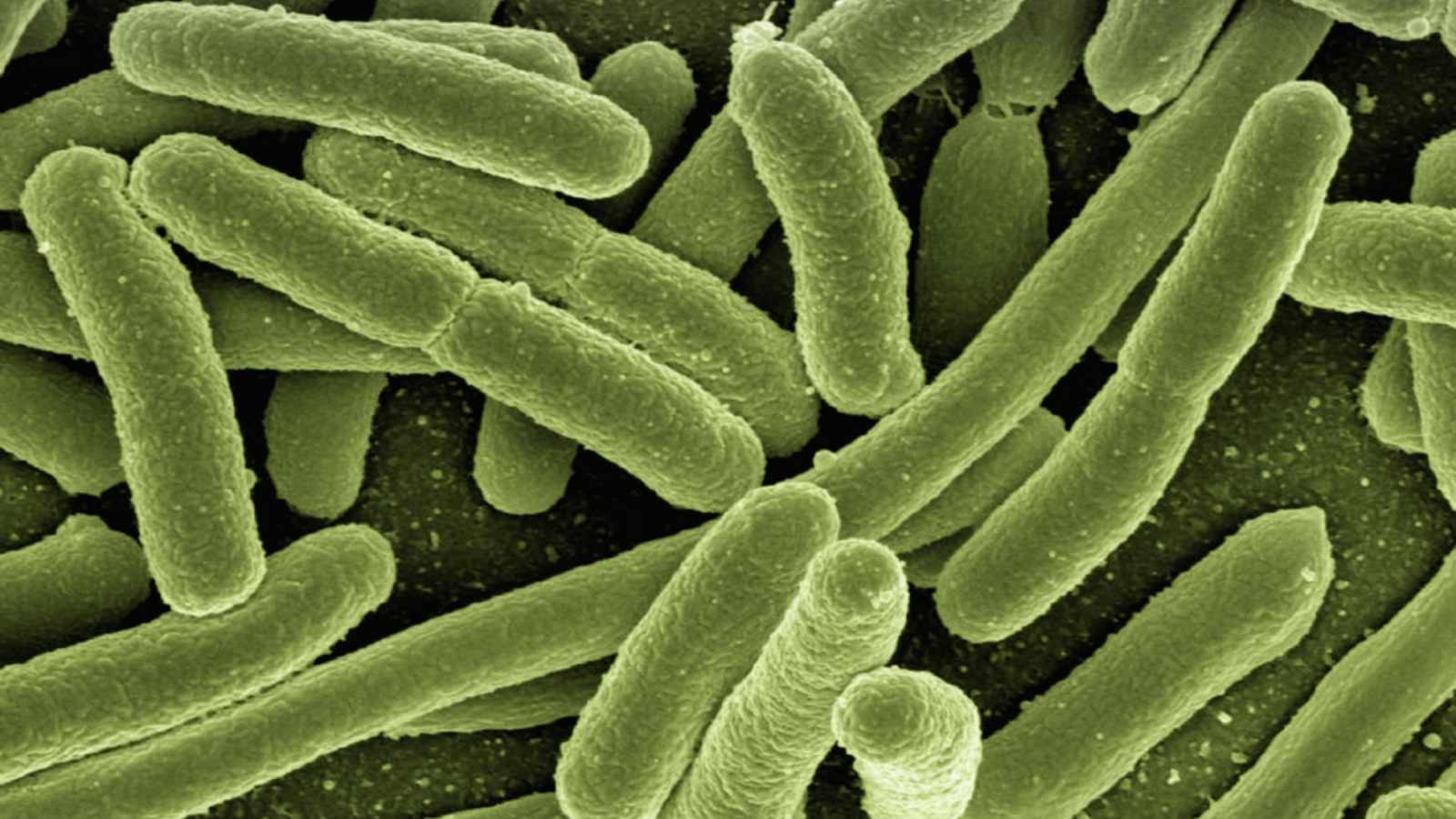
A groundbreaking study by NCCS Pune has identified 14 new bacterial species and nearly 200 undocumented microbial strains within India's tribal populations. The findings highlight the critical need for an India-specific microbiome map.
Key Takeaways
- NCCS Pune scientists identified 14 previously unknown bacterial species.
- Nearly 200 local microbial strains were documented in tribal communities.
- The study challenges the concept of a universal 'healthy' gut microbiome.
- Diet, geography, and lifestyle are primary drivers of microbial diversity.
Scientists at the BRIC–National Centre for Cell Science (NCCS), Pune, have made a significant biological breakthrough by identifying 14 previously unknown bacterial species and nearly 200 local microbial strains. While studying the gut microbiomes of various Indian tribal communities, researchers highlighted that a vast portion of India's microbial diversity remains largely unexplored.
The findings, published in the journal Gut Microbes, challenge the long-held assumption of a universal "healthy" gut microbiome. Instead, the research demonstrates that the microorganisms residing in our intestines are deeply shaped by geographic location, dietary habits, and community lifestyles.
Why This Matters
BozokMedia analysis shows that this discovery is a critical wake-up call for the global medical community. For decades, microbiome research and probiotic development have relied heavily on Western population data. This study suggests that applying Western-centric medical models to Indian populations may lead to inaccuracies in nutritional and metabolic healthcare.
"An Indian gut microbiome should not be labelled abnormal simply because it differs from Western reference populations," stated Dr. Dhiraj Dhotre, a scientist at BRIC-NCCS.
The research analyzed eight distinct tribal groups, including the Warli of the western coast, the Gond and Madia of the Deccan Plateau, the Kabui (Rongmei Naga) from the Northeast, and several Trans-Himalayan communities like the Boto and Balti. Significant variations were noted in the Trans-Himalayan groups, whose diets rich in dairy and grains fostered higher levels of Bifidobacterium.
Dietary Signatures and Probiotics
A major finding involves Bifidobacterium adolescentis, a common probiotic strain. The Indian strains showed distinct genetic differences from those found in industrialized nations, carrying unique enzymes for processing local carbohydrates. This raises questions about the indiscriminate use of imported probiotics without considering local dietary contexts.
Frequently Asked Questions
1. What is the gut microbiome?
It is a complex community of bacteria, fungi, and viruses living in the human intestine that assists in digestion and immunity.
2. Why can't we use Western probiotics in India?
While not ineffective, Western probiotics may not be optimized for the specific dietary patterns and genetic makeup of the Indian population.