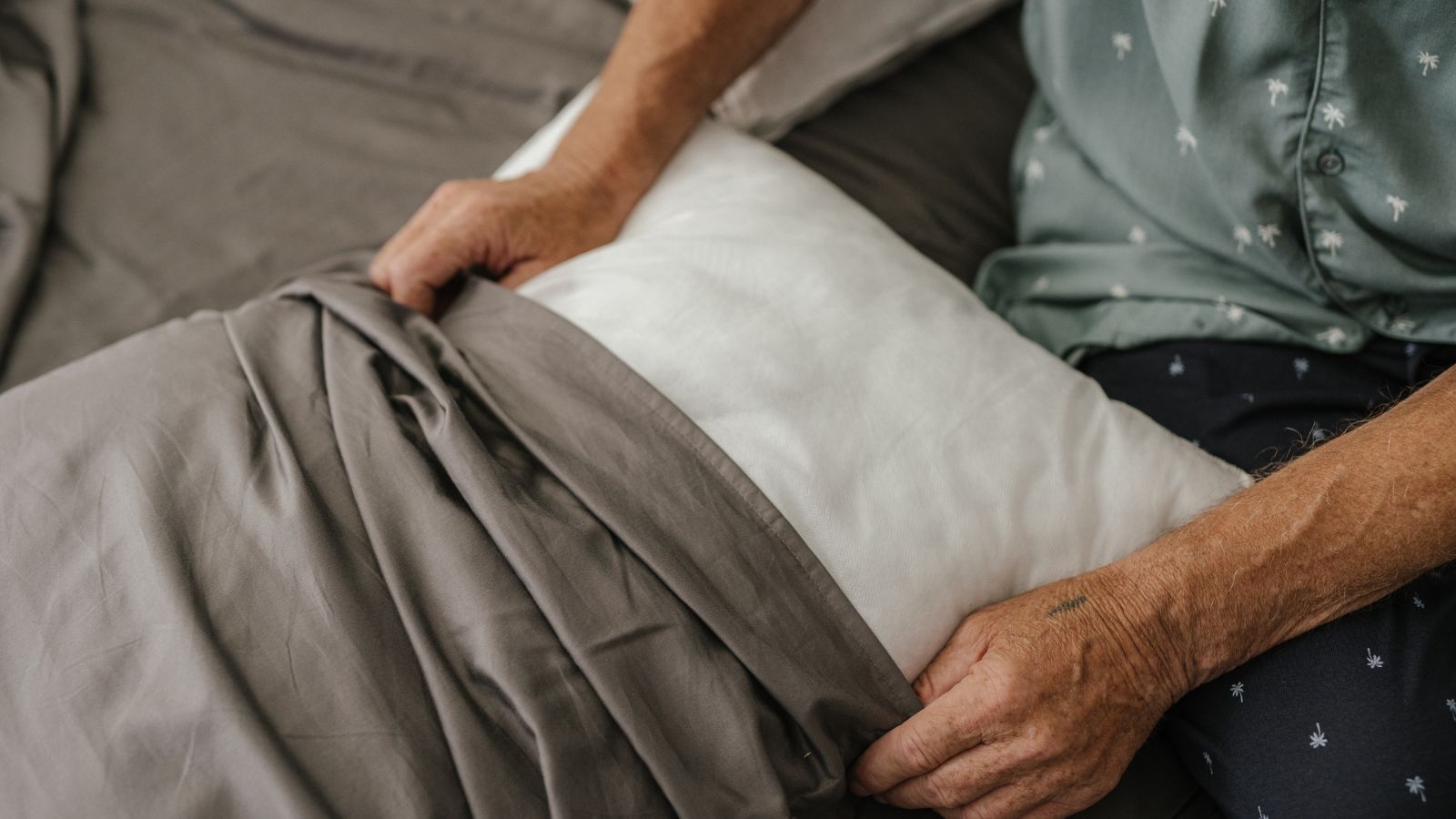
An old, flattened pillow can be more than just uncomfortable; it can be a breeding ground for allergens and a cause of chronic neck pain. Experts suggest a replacement cycle of 1-2 years.
Key Takeaways
- Old pillows accumulate sweat, dead skin, and dust mites.
- Flattened pillows lead to poor neck alignment and stiffness.
- Replacement cycles vary: 1-2 years for synthetic, 1-3 years for feather.
While most people invest heavily in high-quality mattresses, the pillow is often an afterthought. However, medical experts are warning that ignoring your pillow's age can lead to significant health issues. Dr. Kunal Sood explains that pillows are not just support tools; they are collectors of everything we leave behind during sleep, including sweat, body oils, and dead skin cells.
The Micro-Ecosystem in Your Bed
According to Dr. Palleti Siva Karthik Reddy, a Consultant in Internal Medicine, your pillow acts as a highly active micro-ecosystem. Every night, humans shed thousands of skin cells, which serve as the primary food source for dust mites. These microscopic organisms thrive in the warm, humid environment created by human sweat, leaving behind waste products that act as potent indoor allergens.
Why This Matters
BozokMedia analysis shows that sleep hygiene extends far beyond just washing your sheets. The internal degradation of pillow materials directly impacts respiratory health and musculoskeletal alignment, making regular replacement a biological necessity rather than a luxury.
A clean, supportive pillow isn’t just about comfort; it can also help create a healthier sleep environment.
Health Implications of Aging Pillows
Using an outdated pillow can trigger several medical concerns:
- Respiratory Issues: Inhaling dust mite debris can trigger chronic allergies, sneezing, and even asthma attacks.
- Skin Conditions: The buildup of sebum and bacteria can clog pores, leading to acne and eczema flare-ups.
- Neck & Spinal Health: As pillows lose their 'loft' or height, they fail to keep the neck in a neutral position, causing morning stiffness and tension headaches.
Pillow Replacement Guide
| Pillow Material | Replacement Cycle | Primary Reason for Change |
|---|---|---|
| Polyester/Synthetic | 1-2 Years | Fibers flatten and lose springiness |
| Feather/Down | 1-3 Years | Moisture causes feathers to mat together |
| Memory Foam | 3-5 Years | Material loses density and support |
Frequently Asked Questions
1. Can washing my pillow solve the allergy problem?
While washing helps, it often cannot reach the deep accumulation of organic matter and mites embedded within the core material.
2. How do I know my pillow is too old?
The clearest sign is when you need to place your hand under the pillow for extra support or wake up with neck discomfort.