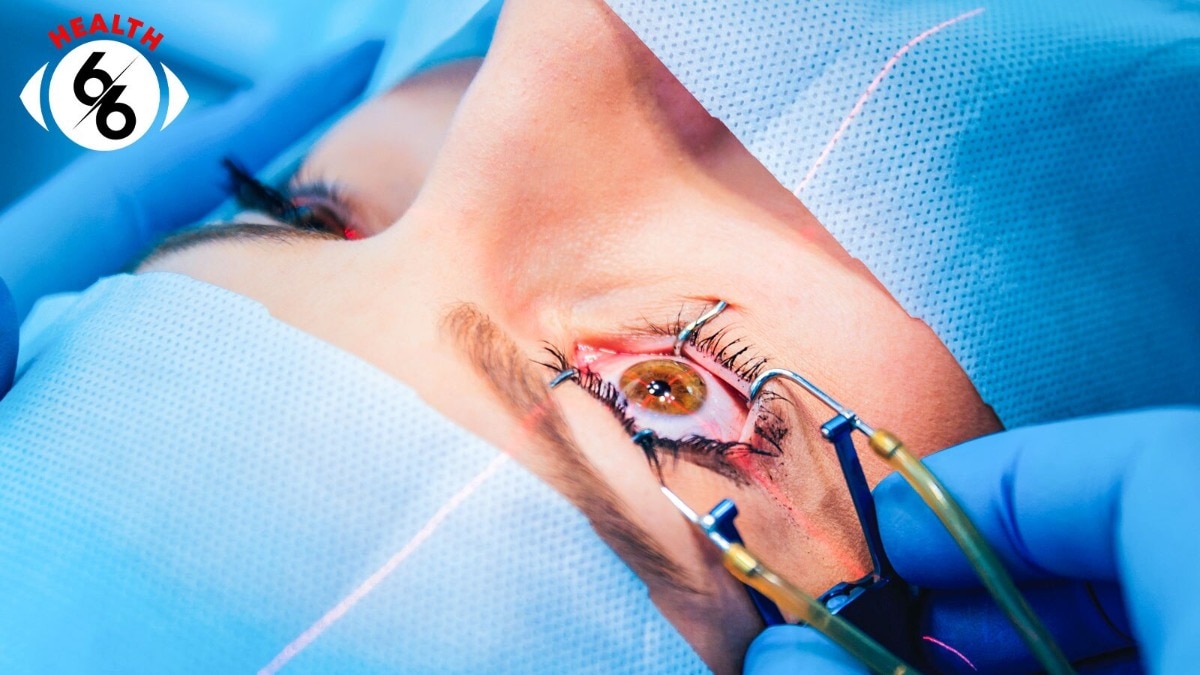
AIIMS Delhi's RP Centre is pioneering artificial cornea transplants to provide sight to patients facing a critical shortage of human donors. This medical advancement offers a new ray of hope for millions suffering from corneal blindness.
Key Takeaways
- AIIMS Delhi has successfully implemented artificial cornea transplants in a limited number of patients.
- India faces a severe donor shortage, meeting only 3% of the annual demand for corneas.
- Approximately 20 patients have already undergone this innovative procedure.
- Corneal blindness affects roughly 8.2% of the Indian population.
Corneal blindness, caused by the deterioration of the eye's outermost layer, remains a significant public health challenge in India. While traditional cornea transplants are the gold standard for restoring vision, the scarcity of human donors often leaves patients in a state of prolonged waiting and permanent darkness. To address this, the RP Centre at AIIMS Delhi has integrated artificial cornea technology into its treatment protocols.
According to Professor Dr. Rajesh Sinha, the center has begun implementing artificial corneas over the past year. This synthetic alternative is specifically designed for patients who cannot benefit from standard transplants or those for whom a matching donor cornea is simply unavailable.
Why This Matters
BozokMedia analysis shows that the reliance on artificial organs is becoming inevitable in developing nations where organ donation rates lag behind medical needs. With only 3% of the required corneas available annually in India, the shift toward bio-synthetic alternatives is not just an innovation—it is a necessity to prevent avoidable blindness on a massive scale.
"Artificial corneas provide a critical lifeline for patients who have exhausted all traditional transplant options or cannot afford to wait for a donor."
Comparison: Natural vs. Artificial Cornea
| Feature | Natural Cornea (Donor) | Artificial Cornea |
|---|---|---|
| Availability | Highly Limited (Donor Dependent) | Manufactured (Available) |
| Success Rate | High (if compatible) | Effective in specific cases (Experimental) |
| Wait Time | Long Waiting Lists | Potentially Rapid Deployment |
Despite the promise of synthetic implants, medical experts emphasize that increasing public awareness about eye donation remains paramount. A single donor can restore sight to two individuals, reducing the systemic pressure on experimental medical alternatives.
Frequently Asked Questions
Q1: Is the artificial cornea transplant available for everyone?
Answer: No, it is currently being used at AIIMS for specific, complex cases and is not yet a universal replacement for all types of blindness.
Q2: How many people have received this transplant at AIIMS?
Answer: So far, approximately 20 patients have undergone the artificial cornea transplant procedure.

