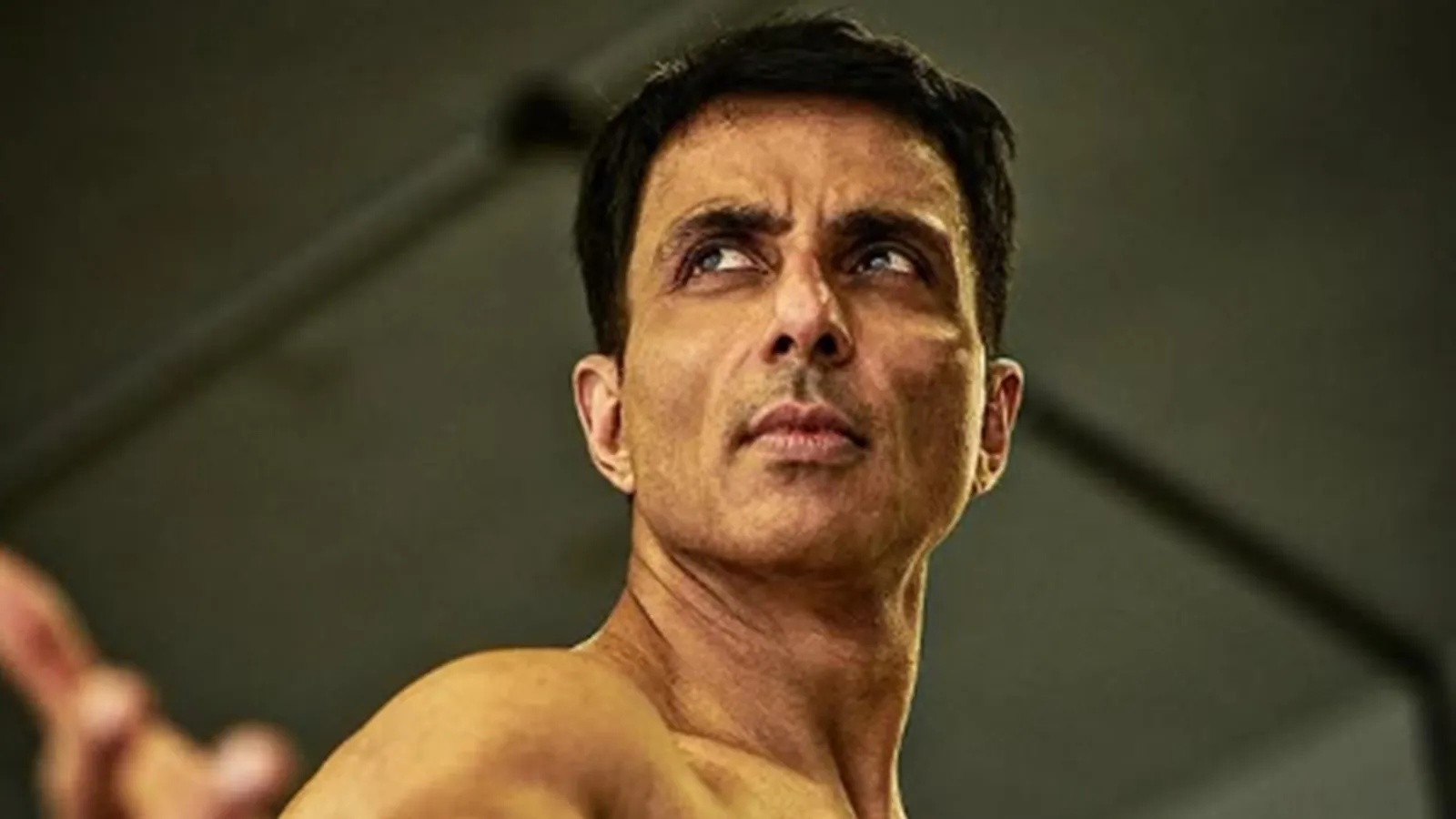
A 31-year-old IT professional from Puducherry has undergone a life-saving heart transplant at SIMS Hospital, Chennai, after battling severe hereditary heart disease.
Key Takeaways
- The patient, a 31-year-old IT professional, suffered from Dilated Cardiomyopathy (DCM).
- He survived a critical cardiac arrest during hospitalization through successful resuscitation.
- A 23-year-old donor provided the heart, enabling a successful 4-hour surgery.
- Medical experts emphasized the urgent need for public awareness regarding organ donation.
In a remarkable medical feat, doctors at SIMS Hospital in Chennai successfully performed a heart transplant on a 31-year-old IT professional from Puducherry. The patient had been battling end-stage inherited heart disease that had progressed to critical heart failure.
The patient’s journey began in February when he experienced debilitating breathing difficulties. Clinical evaluations revealed Dilated Cardiomyopathy (DCM), a condition where the heart muscle becomes enlarged and weakened, severely compromising its ability to pump blood. During his stay at the hospital, the situation turned life-threatening when he suffered a cardiac arrest, though medical teams managed to resuscitate him successfully.
Why This Matters
BozokMedia analysis shows that the rise in hereditary cardiac conditions among young professionals highlights a growing healthcare challenge. Successful interventions like this underscore the critical importance of advanced cardiac infrastructure and the seamless coordination of state transplant registries.
A successful heart transplant requires not just cutting-edge infrastructure, but immense teamwork and a robust organ donation ecosystem.
The transplant team, led by Chief Cardiac Surgeon Dr. V.V. Bashi, managed the complex procedure following a donor alert. The heart was retrieved from a 23-year-old donor, and the surgery was completed within a precise four-hour window, followed by intensive care monitoring.
Historical Background
Heart transplantation has evolved from a high-risk experimental procedure to a life-saving standard for patients with end-stage heart failure. The development of Implantable Cardioverter Defibrillators (ICDs) and improved immunosuppressant drugs has significantly increased the survival rates for transplant recipients globally.
Frequently Asked Questions
1. What is Dilated Cardiomyopathy?
It is a condition where the heart's ability to pump blood is decreased because the left ventricle is enlarged and weakened.
2. How important is organ donation?
Organ donation is vital as it provides a second chance at life for patients suffering from end-stage organ failure where no other treatment is viable.