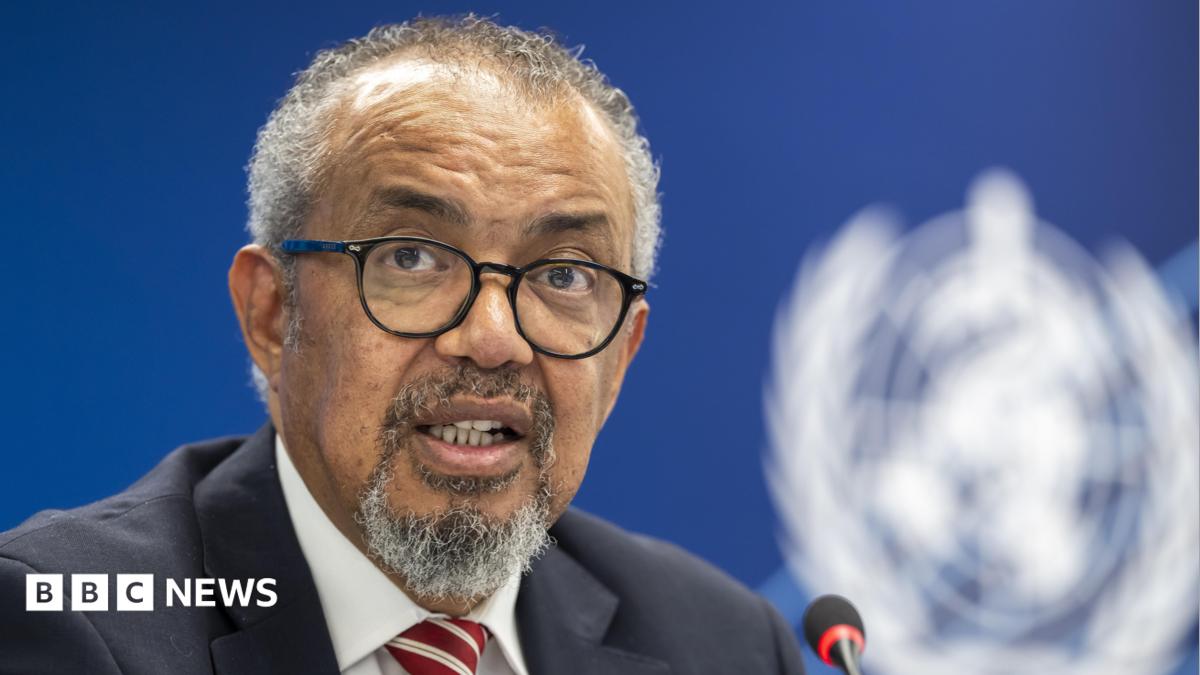
The WHO has issued a dire warning that the ongoing Ebola outbreak in the Democratic Republic of Congo could surpass the record-breaking 2014-2016 epidemic. The rare Bundibugyo strain poses a massive challenge due to the lack of approved vaccines.
Key Takeaways
- The current Ebola outbreak in DRC threatens to eclipse the 2014-2016 catastrophe.
- The virus is the rare Bundibugyo species, for which no approved vaccine exists.
- Over 4,300 cases and 2,000 deaths have already been recorded.
- Regional instability limits medical access to only 30% of affected cases.
The ongoing Ebola epidemic in the Democratic Republic of Congo (DRC) is rapidly escalating. World Health Organization (WHO) Director-General Tedros Adhanom Ghebreyesus has warned that at its current pace, this outbreak could surpass the deadliest outbreak in history—the 2014-2016 epidemic that claimed at least 11,000 lives.
Since its official declaration on May 15, the outbreak has seen over 4,300 confirmed cases and more than 2,000 fatalities. Health officials revealed this week that the virus likely began spreading as early as February, but was initially misdiagnosed as malaria or typhoid, allowing it to gain a dangerous foothold.
Why This Matters
BozokMedia analysis shows that the complexity of this outbreak is compounded by the specific strain involved: Bundibugyo Ebola. Unlike more common strains, there are currently no approved vaccines or recognized therapeutic drugs specifically for this species. Furthermore, the volatile security situation in eastern DRC prevents health workers from reaching the majority of those in need.
"We are chasing the virus, the virus is ahead of us," stated Dr. Mohamed Janabi, WHO Africa Director.
Outbreak Comparison
| Metric | 2014-2016 Outbreak | Current (2026) Outbreak |
|---|---|---|
| Total Deaths | ~11,000 | 2,000+ (Rising) |
| Virus Strain | Zaire/Sudan | Bundibugyo |
| Vaccine Status | Limited/Developed later | In Human Trials |
In a glimmer of hope, the UK's MHRA has authorized human trials for a new vaccine developed by the University of Oxford, utilizing the same technology as the Oxford-AstraZeneca COVID-19 vaccine.
Frequently Asked Questions
1. How does Ebola spread?
The virus spreads through direct contact with the blood or bodily fluids of an infected person.
2. Is there a cure for the Bundibugyo strain?
There is no currently approved specific treatment, but clinical trials for new antiviral therapies are ongoing in the DRC.


