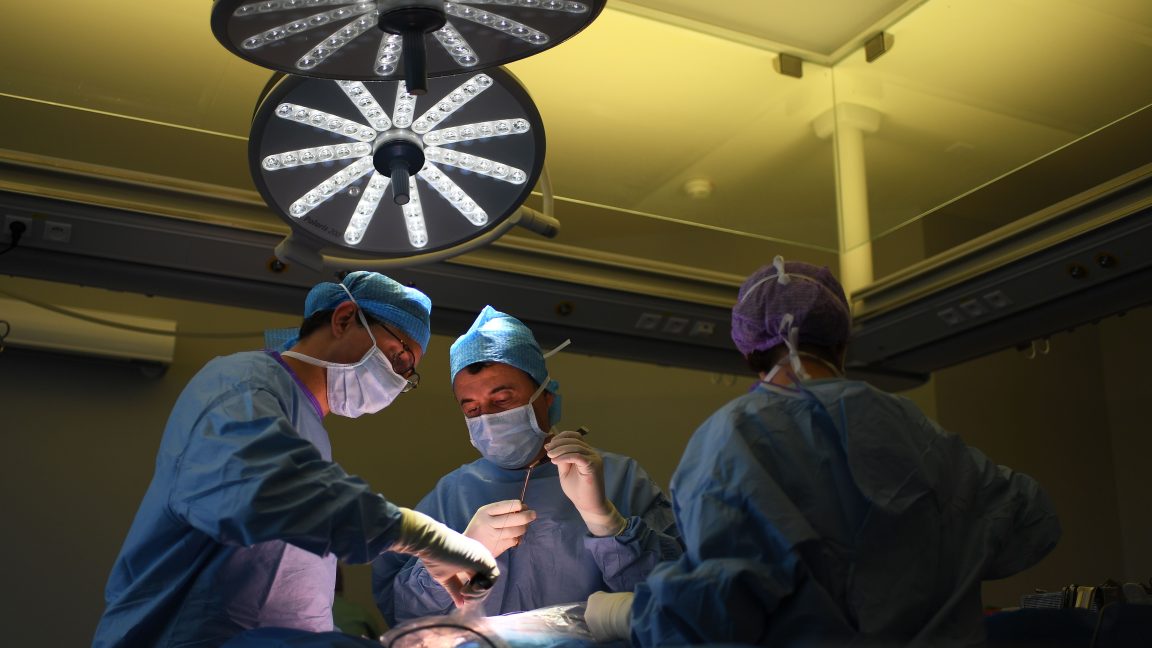
A landmark study reveals that patients facing six major types of cancer in the US are experiencing unprecedented delays in life-saving surgical procedures.
Key Takeaways
- Wait times for critical cancer surgeries have hit a 10-year peak.
- Impacted cancers include breast, lung, colon, pancreatic, gastric, and esophageal.
- Delays are directly linked to lower survival rates and increased patient distress.
While medical advancements have revolutionized cancer treatment outcomes, a troubling trend is emerging in the United States: the increasing delay in surgical interventions. According to a significant study published in JAMA Surgery, the time patients must wait for cancer-related operations has escalated significantly compared to a decade ago.
Detailed Findings
The research, led by cancer expert Timothy Donahue at the University of California, Los Angeles (UCLA), analyzed data from over 2.7 million patients diagnosed with non-metastatic stage I–III cancers between 2012 and 2023. The study specifically tracked six major cancer types: breast, colon, lung, pancreatic, gastric, and esophageal cancers.
Why This Matters
BozokMedia analysis shows that timeliness is not just a logistical metric but a clinical necessity. In oncology, time is often the most critical factor. Delays in surgery can allow non-metastatic tumors to progress, potentially turning a treatable condition into a terminal one. Furthermore, the psychological toll of waiting creates immense anxiety and distress for both patients and their families.
Timeliness in surgical intervention is a core metric of healthcare quality that directly dictates patient survival.
Historical Context
Over the last decade, the healthcare landscape has shifted. While precision medicine and new drug therapies have improved survival, systemic pressures—including staffing shortages and increased patient volumes—have created bottlenecks in surgical departments, leading to the current crisis.
Frequently Asked Questions
1. Which types of cancer are most affected by these delays?
The study highlights breast, colon, lung, pancreatic, gastric, and esophageal cancers as having significantly longer wait times.
2. How does a delay affect cancer prognosis?
Delays can lead to tumor progression, reduced survival rates, and increased physiological and psychological distress.