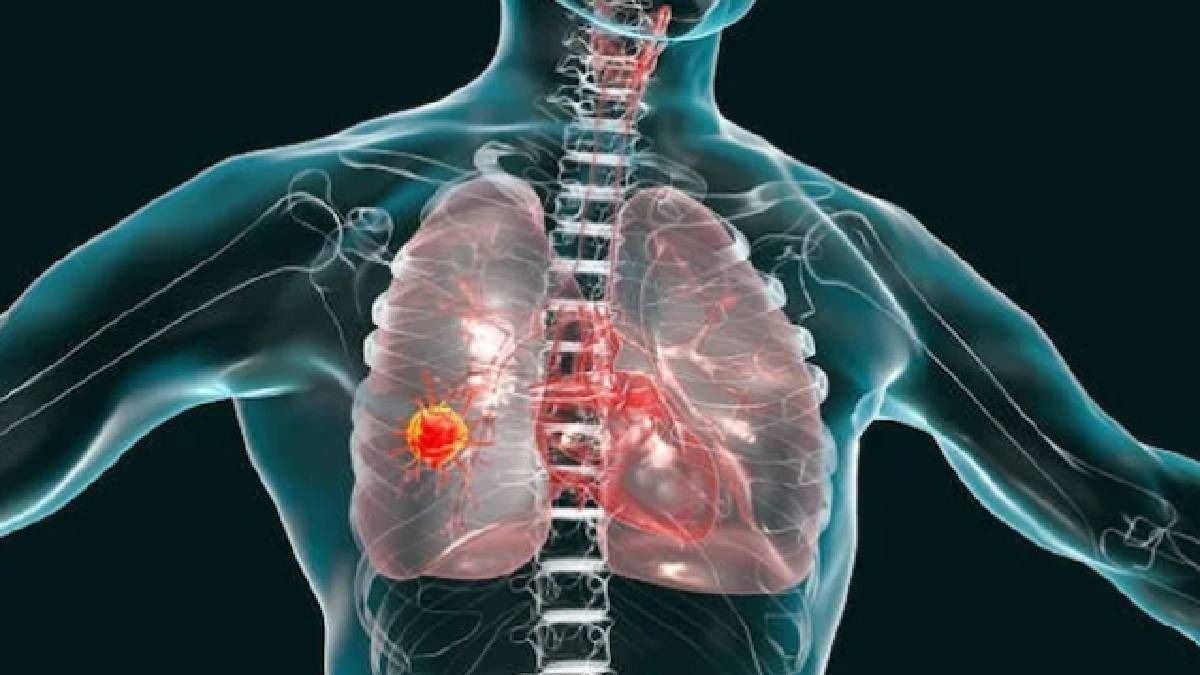
While a Stage 4 diagnosis remains serious, breakthroughs in precision oncology and immunotherapy are reshaping survival expectations and quality of life for patients.
Key Takeaways
- Precision oncology allows for treatments tailored to a tumor's specific genetic profile.
- Targeted therapies and immunotherapy offer alternatives to traditional chemotherapy.
- Molecular testing (NGS) is crucial for identifying actionable biomarkers like EGFR and ALK.
- The focus has shifted toward long-term disease control and maintaining quality of life.
A diagnosis of Stage 4 lung cancer was once synonymous with a very poor prognosis. For years, treatment options were limited, and long-term survival was rare. However, the landscape of oncology has undergone a massive transformation over the last two decades, moving from a 'one-size-fits-all' approach to highly personalized medicine.
The Rise of Precision Oncology
Modern oncologists no longer treat all lung cancers the same way. Instead, they delve into the unique biology of individual tumors. According to Dr. Amit Rauthan, a leading expert in medical oncology, the shift toward precision oncology is the most significant advancement in the field. By examining the genetic makeup of a tumor, doctors can select therapies that are more likely to be effective for that specific patient.
Targeted Therapy vs. Immunotherapy
Two major pillars of modern treatment are Targeted Therapy and Immunotherapy. Targeted therapies are designed to attack cancer cells carrying specific genetic mutations, such as EGFR, ALK, or ROS1, minimizing damage to healthy cells. On the other hand, immunotherapy empowers the patient's own immune system to recognize and destroy cancer cells, providing durable responses for many patients.
Modern treatments are no longer just about shrinking tumors; they are about extending life while preserving its quality.
Why This Matters
BozokMedia analysis shows that the integration of Next-generation sequencing (NGS) into routine diagnostics is revolutionizing patient outcomes. Understanding the molecular drivers of cancer allows for a more strategic and less toxic approach to managing advanced disease.
| Therapy Type | Mechanism of Action | Primary Advantage |
|---|---|---|
| Chemotherapy | Attacks rapidly dividing cells | Broad-spectrum effectiveness |
| Targeted Therapy | Targets specific molecular mutations | Fewer side effects on healthy cells |
| Immunotherapy | Stimulates the immune system | Potential for long-term control |
Frequently Asked Questions
1. Is Stage 4 lung cancer curable?
While many Stage 4 cases are managed as chronic conditions, the goal is often long-term control and symptom management rather than a complete cure.
2. What is the role of NGS testing?
NGS (Next-generation sequencing) identifies specific genetic changes in a tumor, which is essential for selecting the right targeted therapy.