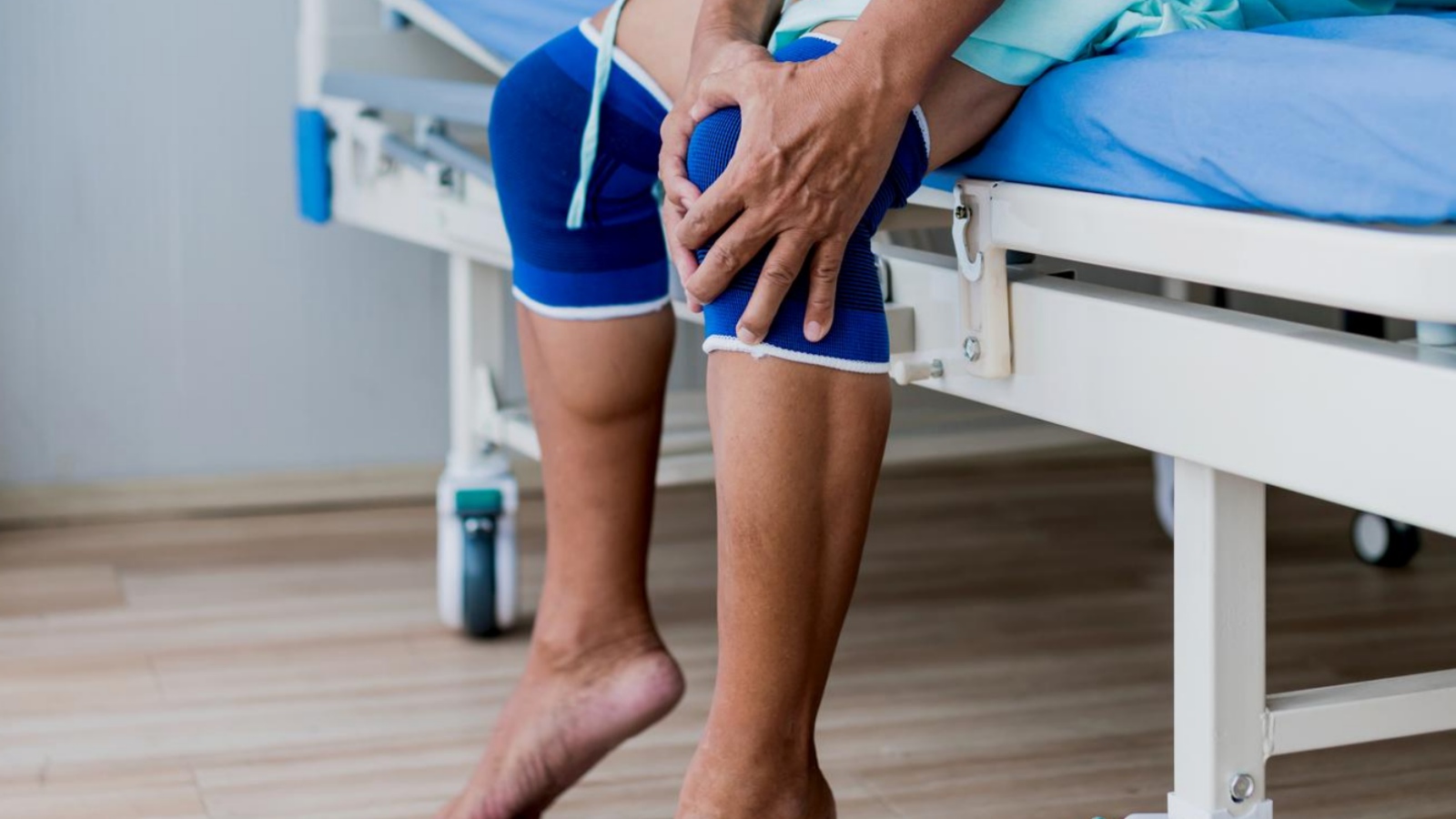
Sarcopenia, the age-related loss of muscle mass, can begin much earlier than most people realize. Learn how strength training and nutrition can preserve your mobility.
Key Takeaways
- Sarcopenia (muscle loss) can manifest as early as your 40s.
- Lifestyle factors like inactivity and poor diet accelerate muscle decline.
- Strength training, high protein intake, and adequate sleep are essential defenses.
Entering your 40s often brings subtle changes in physical capability. Sports medicine physician Dr. Jordan D. Metzl warns that sarcopenia—the progressive loss of muscle mass and strength—is not just an inevitable consequence of old age. It can begin much earlier, often before individuals realize they are losing their physical edge. Recognizing this early is the first step toward maintaining long-term independence.
Understanding the Decline
According to Dr. Gazanfar Patel, a senior consultant at Wockhardt Hospitals, Mumbai, the rate of muscle loss varies significantly between individuals. While biological aging and hormonal shifts play a role, lifestyle choices act as accelerators. Staying sedentary for long periods, insufficient protein consumption, and poor sleep hygiene can drastically speed up the process.
Why This Matters
BozokMedia analysis shows that ignoring minor physical struggles in your 40s—such as difficulty climbing stairs or recovering from exertion—can lead to a cycle of inactivity and further muscle decay. Early intervention is crucial to prevent a permanent decline in mobility and quality of life.
"Sarcopenia is natural, but you have a lot more control over how much muscle you lose than you probably imagine." - Dr. Jordan D. Metzl
Three Pillars of Muscle Preservation
To fight back against muscle depletion, experts recommend a three-pronged approach:
| Strategy | Action Plan |
|---|---|
| Strength Training | Perform resistance exercises 2-3 times a week using weights or bands. |
| Protein Intake | Consume high-quality proteins like eggs, dairy, fish, or legumes daily. |
| Recovery | Prioritize deep sleep to allow muscle tissue to repair and adapt. |
It is important to note that while aerobic activities like walking are vital for cardiovascular health, they should complement, not replace, resistance training if muscle mass is the goal.
Frequently Asked Questions
1. How can I tell if I am losing muscle?
Watch for difficulty in daily tasks like carrying groceries, getting up from a chair, or maintaining your usual exercise levels.
2. Is protein supplementation necessary?
While whole foods like eggs and lean meats are preferred, protein is essential to provide the stimulus for muscle repair.