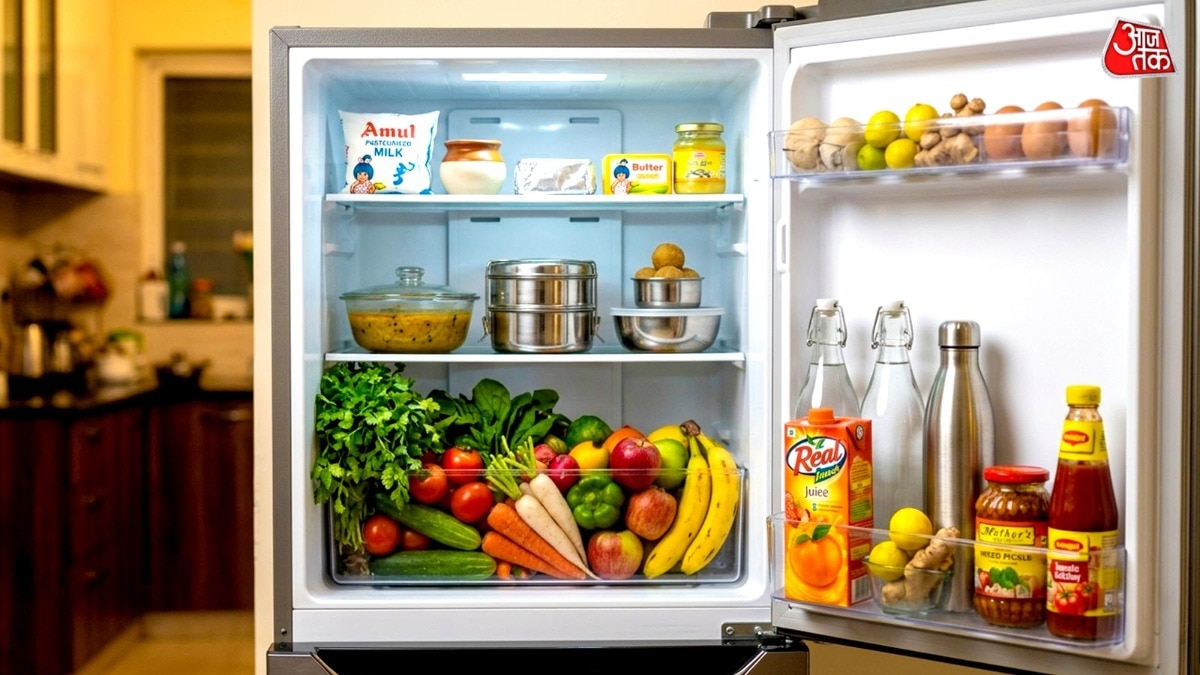
Home‑cooked meals feel safer, but everyday kitchen habits can still lead to food poisoning. Discover the seven common food‑safety errors and how to avoid them easily.
Key Takeaways
- Never rinse raw chicken – it spreads bacteria.
- Use separate cutting boards to prevent cross‑contamination.
- Wash hands, cook to proper temperature, and chill promptly.
Fundamentals of Food Safety
Cooking at home gives you control over ingredients, but it does not guarantee safety. Pathogenic bacteria can travel via hands, surfaces, and raw items. The U.S. Centers for Disease Control and Prevention (CDC) recommends four basic steps: clean, separate, cook, chill.
Seven Everyday Mistakes and Their Fixes
1. Washing Raw Chicken – Rinsing spreads bacteria to sinks, countertops, and utensils. Instead, cook poultry thoroughly and sanitize any surfaces that touch raw juices.
2. Using the Same Cutting Board for Everything – Placing vegetables on a board that just handled raw meat leads to cross‑contamination. Keep raw meat, poultry, and seafood separate from ready‑to‑eat foods, and wash boards with hot, soapy water after use.
3. Not Washing Hands Properly – Hands transfer germs directly to food. Wash with soap for at least 20 seconds before, during, and after handling raw meat, poultry, or eggs.
4. Guessing If Food Is Cooked – Color isn’t reliable. Use a food thermometer to reach the correct internal temperature and kill harmful germs.
5. Leaving Cooked Food Out Too Long – Food should not sit at room temperature for extended periods. Refrigerate leftovers promptly.
6. Thawing Food on the Counter – Defrosting at room temperature encourages bacterial growth. Thaw safely in the refrigerator or microwave and refrigerate promptly after cooking.
7. Trusting Smell or Appearance – Dangerous bacteria can be invisible and odorless. Rely on proper handling, cooking, and storage instead of senses alone.
Historical Background
The modern food‑safety movement began in the late 19th century when scientists identified disease‑causing bacteria. Since then, rigorous standards for cleaning, temperature control, and separation have become the backbone of public health policies.
Why This Matters
BozokMedia analysis shows that households accounting for over 60% of food‑borne illness cases often overlook these basic safety steps, making public health interventions less effective.
"A simple habit like thorough hand washing can prevent thousands of infections each year," says Dr. Emily Carter, food‑safety specialist.
Frequently Asked Questions
Q1: Can I wash raw chicken with soap?
A: No, washing spreads bacteria; cooking it directly is the safest method.
Q2: How long can I store cooked leftovers in the fridge?
A: Ideally within 3‑4 days; beyond that, bacterial growth increases significantly.

